Bremer Edwin
Department of Surgery, Translational Surgical Oncology, University Medical Center Groningen, University of Groningen, 9713GZ Groningen, The Netherlands.
ISRN Oncol. 2013 Jun 11;2013:371854. doi: 10.1155/2013/371854. Print 2013.
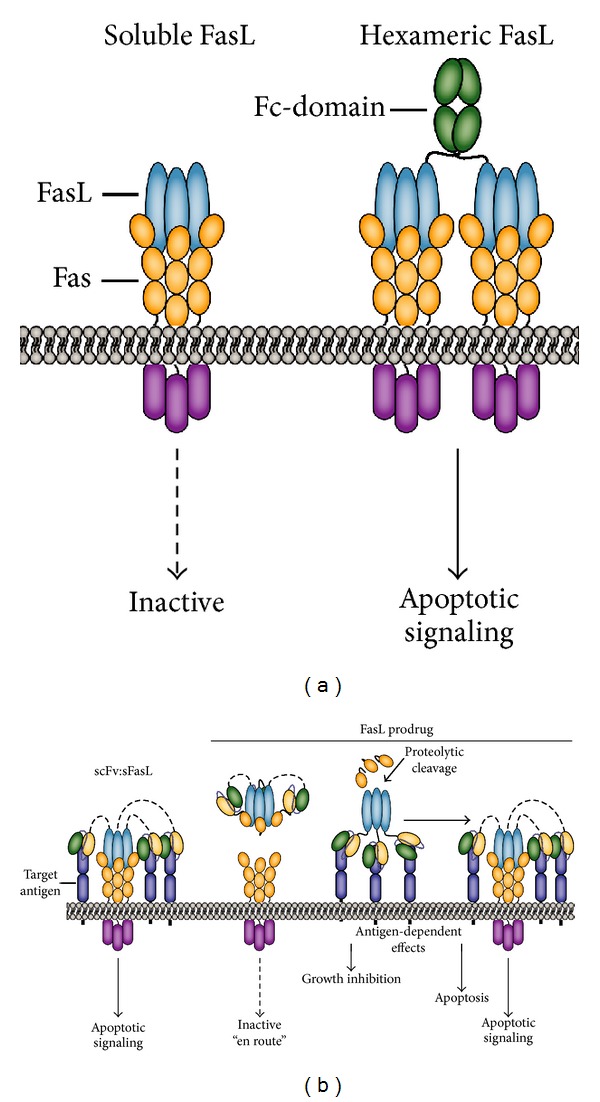
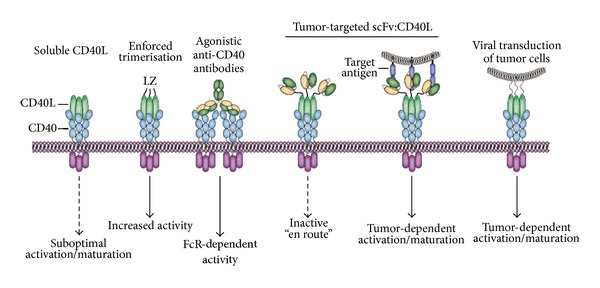
The tumor necrosis factor (TNF) ligand and cognate TNF receptor superfamilies constitute an important regulatory axis that is pivotal for immune homeostasis and correct execution of immune responses. TNF ligands and receptors are involved in diverse biological processes ranging from the selective induction of cell death in potentially dangerous and superfluous cells to providing costimulatory signals that help mount an effective immune response. This diverse and important regulatory role in immunity has sparked great interest in the development of TNFL/TNFR-targeted cancer immunotherapeutics. In this review, I will discuss the biology of the most prominent proapoptotic and co-stimulatory TNF ligands and review their current status in cancer immunotherapy.
肿瘤坏死因子(TNF)配体和同源TNF受体超家族构成了一个重要的调节轴,这对于免疫稳态和免疫反应的正确执行至关重要。TNF配体和受体参与了多种生物学过程,从在潜在危险和多余细胞中选择性诱导细胞死亡到提供共刺激信号以帮助产生有效的免疫反应。这种在免疫中多样且重要的调节作用引发了人们对开发靶向TNFL/TNFR的癌症免疫疗法的极大兴趣。在这篇综述中,我将讨论最突出的促凋亡和共刺激TNF配体的生物学特性,并回顾它们在癌症免疫治疗中的现状。