Institute of Bioengineering and Nanotechnology (IBN), A STAR, 31 Biopolis Way, The Nanos, Singapore.
Sci Rep. 2013;3:2184. doi: 10.1038/srep02184.
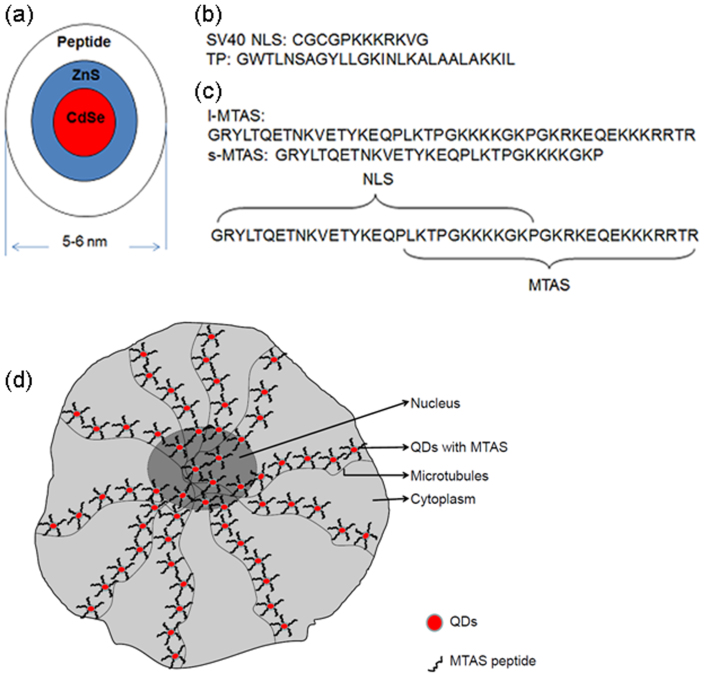
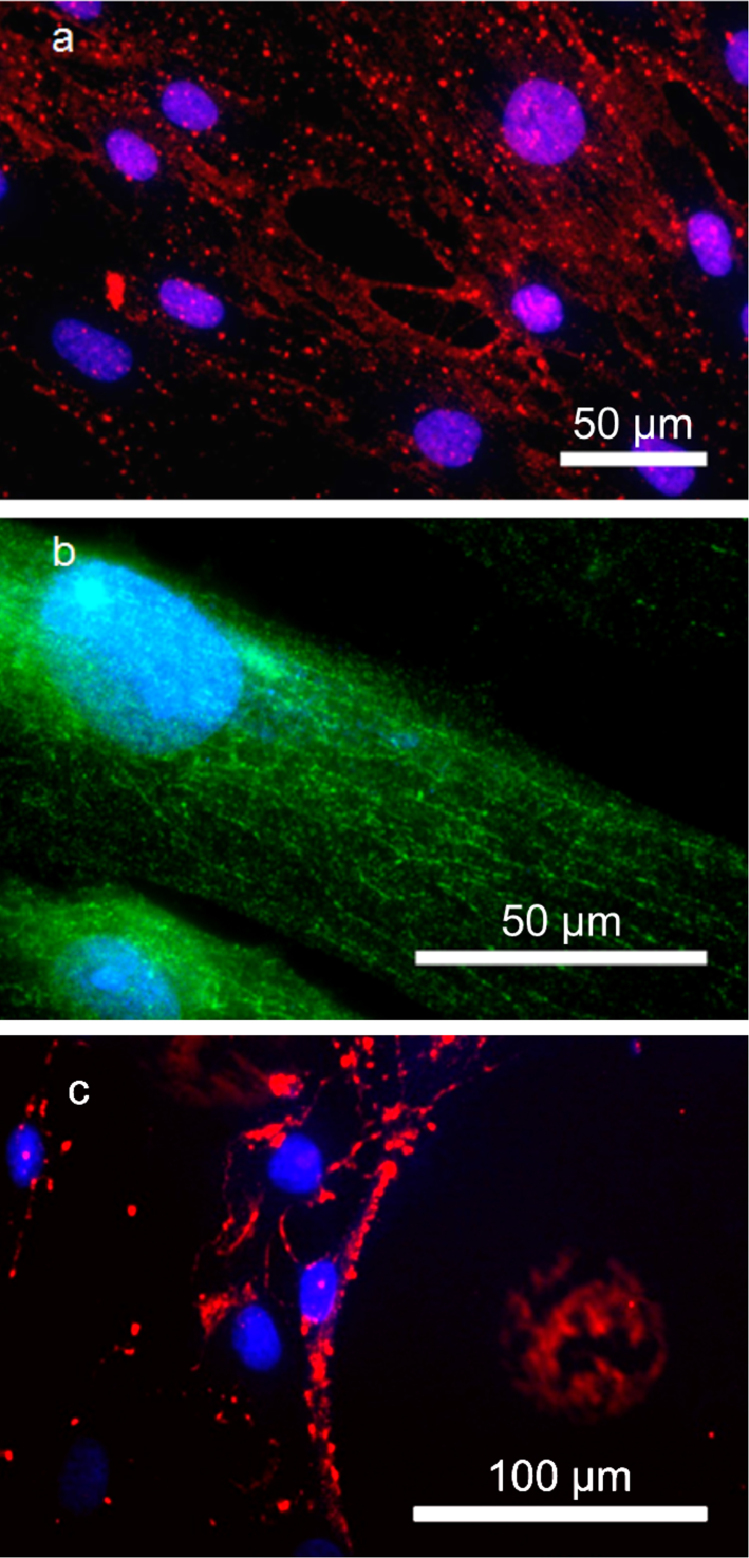
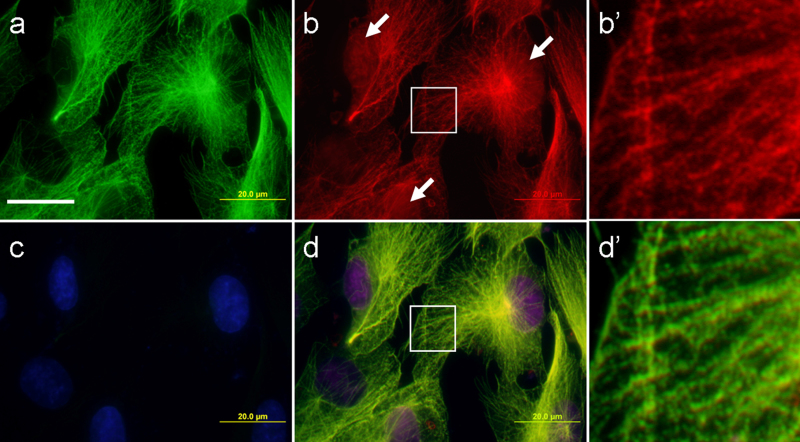
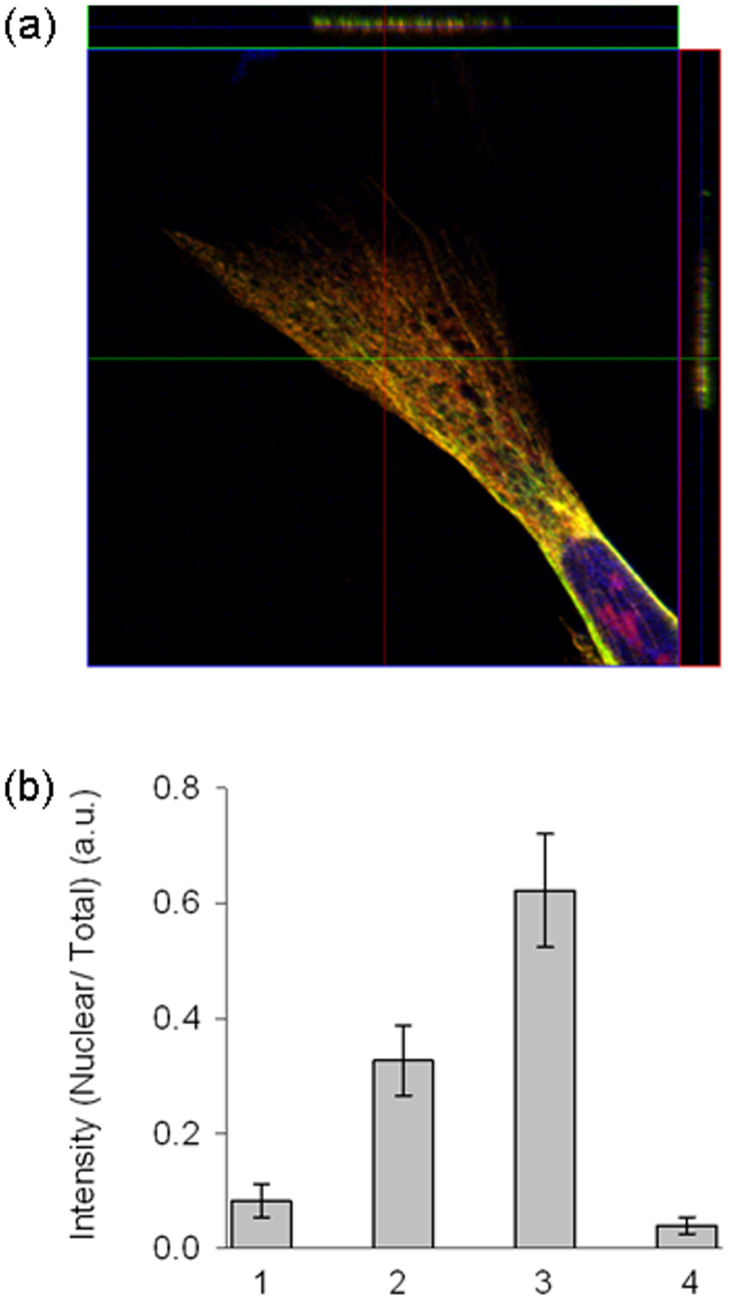
Protein transport is an important phenomenon in biological systems. Proteins are transported via several mechanisms to reach their destined compartment of cell for its complete function. One such mechanism is the microtubule mediated protein transport. Up to now, there are no reports on synthetic systems mimicking the biological protein transport mechanism. Here we report a highly efficient method of mimicking the microtubule mediated protein transport using newly designed biotinylated peptides encompassing a microtubule-associated sequence (MTAS) and a nuclear localization signaling (NLS) sequence, and their final conjugation with streptavidin-coated CdSe/ZnS quantum dots (QDs). Our results demonstrate that these novel bio-conjugated QDs enhance the endosomal escape and promote targeted delivery into the nucleus of human mesenchymal stem cells via microtubules. Mimicking the cellular transport mechanism in stem cells is highly desirable for diagnostics, targeting and therapeutic applications, opening up new avenues in the area of drug delivery.
蛋白质运输是生物系统中的一个重要现象。蛋白质通过几种机制被运输到细胞的特定隔室,以完成其完整的功能。其中一种机制是微管介导的蛋白质运输。到目前为止,还没有关于模拟生物蛋白质运输机制的合成系统的报道。在这里,我们报告了一种使用新设计的生物素化肽模拟微管介导的蛋白质运输的高效方法,这些肽包含一个微管相关序列(MTAS)和一个核定位信号(NLS)序列,并最终与链霉亲和素包被的 CdSe/ZnS 量子点(QDs)连接。我们的结果表明,这些新型生物共轭 QDs 通过微管增强了内体逃逸,并促进了人骨髓间充质干细胞的靶向核内递送。在干细胞中模拟细胞运输机制对于诊断、靶向和治疗应用非常重要,为药物输送领域开辟了新的途径。