Hutchinson D A, Savitzky A H, Burghardt G M, Nguyen C, Meinwald J, Schroeder F C, Mori A
Department of Biology, Coastal Carolina University Conway, SC, USA ; Department of Biological Sciences, Old Dominion University Norfolk, VA, USA.
J Zool (1987). 2013 Apr;289(4):270-278. doi: 10.1111/jzo.12004. Epub 2012 Dec 17.
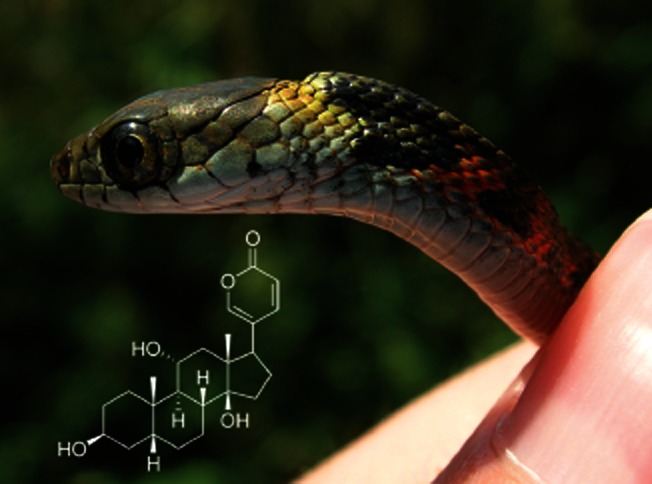
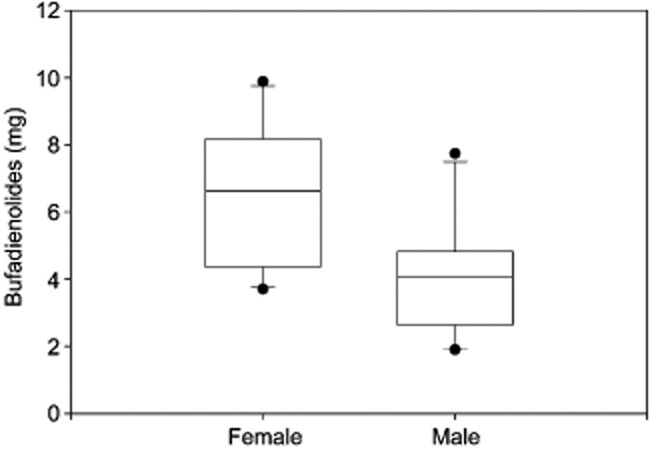
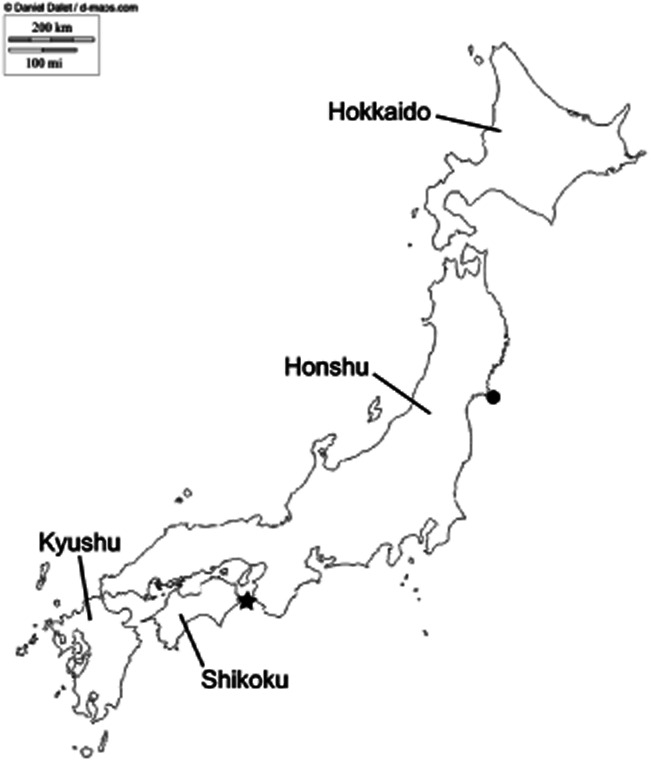
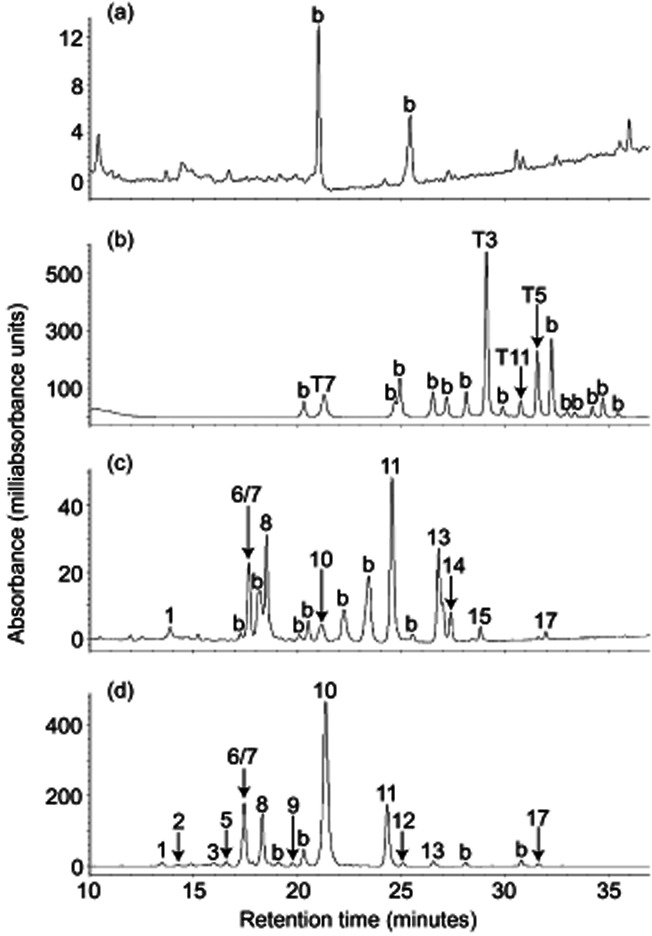
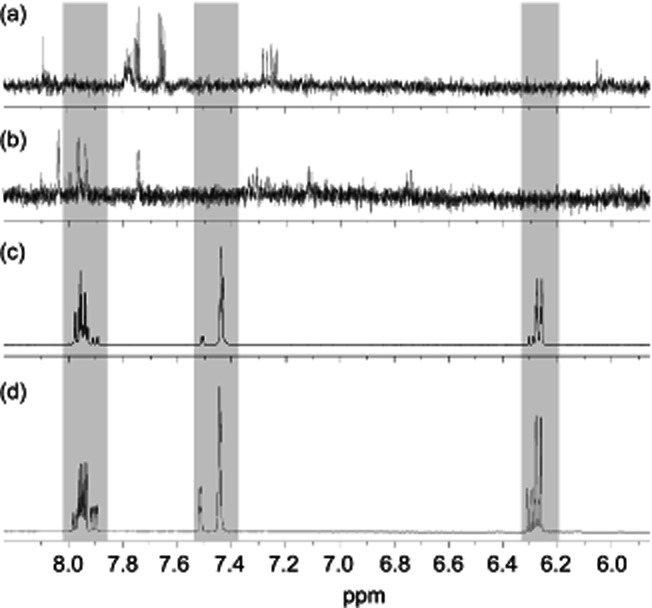
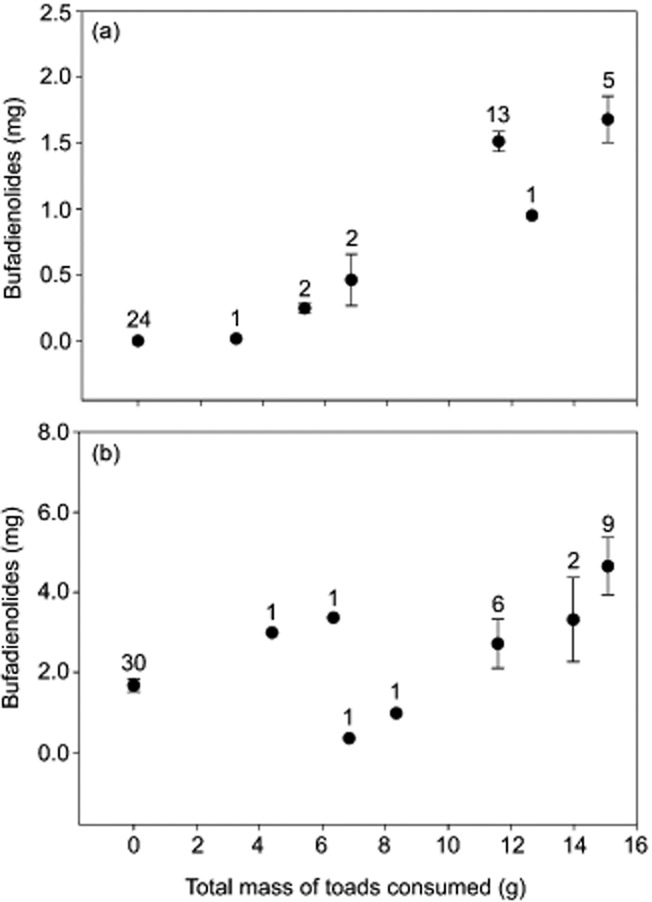
Species that sequester toxins from prey for their own defense against predators may exhibit population-level variation in their chemical arsenal that reflects the availability of chemically defended prey in their habitat. is an Asian snake that possesses defensive glands in the skin of its neck ('nuchal glands'), which typically contain toxic bufadienolide steroids that the snakes sequester from consumed toads. In this study, we compared the chemistry of the nuchal gland fluid of from toad-rich and toad-free islands in Japan and determined the effect of diet on the nuchal gland constituents. Our findings demonstrate that captive-hatched juveniles from toad-rich Ishima Island that had not been fed toads possess defensive bufadienolides in their nuchal glands, presumably due to maternal provisioning of these sequestered compounds. Wild-caught juveniles from Ishima possess large quantities of bufadienolides, which could result from a combination of maternal provisioning and sequestration of these defensive compounds from consumed toads. Interestingly, juvenile females from Ishima possess larger quantities of bufadienolides than do juvenile males, whereas a small sample of field-collected snakes suggests that adult males contain larger quantities of bufadienolides than do adult females. Captive-born hatchlings from Kinkasan Island lack bufadienolides in their nuchal glands, reflecting the absence of toads on that island, but they can sequester bufadienolides by feeding on toads () in captivity. The presence of large quantities of bufadienolides in the nuchal glands of from Ishima may reduce the risk of predation by providing an effective chemical defense, whereas snakes on Kinkasan may experience increased predation due to the lack of defensive compounds in their nuchal glands.
通过从猎物中摄取毒素来自我防御捕食者的物种,其化学武器库可能会在种群水平上表现出差异,这反映了其栖息地中具有化学防御能力的猎物的可获得性。 是一种亚洲蛇,在其颈部皮肤(“颈腺”)中拥有防御腺体,其中通常含有有毒的蟾蜍二烯羟酸内酯类固醇,这些蛇从所食用的蟾蜍中摄取这些物质。在本研究中,我们比较了来自日本蟾蜍丰富和无蟾蜍岛屿的 的颈腺液化学组成,并确定了饮食对颈腺成分的影响。我们的研究结果表明,来自蟾蜍丰富的石岛岛且未喂食蟾蜍的圈养孵化幼蛇,其颈腺中含有防御性蟾蜍二烯羟酸内酯,这可能是由于母体提供了这些摄取的化合物。来自石岛的野生捕获幼蛇含有大量的蟾蜍二烯羟酸内酯,这可能是母体供应和从所食用蟾蜍中摄取这些防御性化合物共同作用的结果。有趣的是,来自石岛的幼年雌性比幼年雄性含有更多的蟾蜍二烯羟酸内酯,而一小部分野外采集的蛇表明成年雄性比成年雌性含有更多的蟾蜍二烯羟酸内酯。来自金加山岛的圈养出生幼蛇的颈腺中缺乏蟾蜍二烯羟酸内酯,这反映了该岛上没有蟾蜍,但它们可以通过在圈养中以蟾蜍( )为食来摄取蟾蜍二烯羟酸内酯。石岛 的颈腺中存在大量蟾蜍二烯羟酸内酯,可能通过提供有效的化学防御来降低被捕食的风险,而金加山岛上的蛇由于其颈腺中缺乏防御性化合物,可能会面临更高的被捕食风险。