School of Medical Sciences and Bosch Institute, University of Sydney, Sydney, Australia.
PLoS One. 2013 Jul 12;8(7):e69521. doi: 10.1371/journal.pone.0069521. Print 2013.
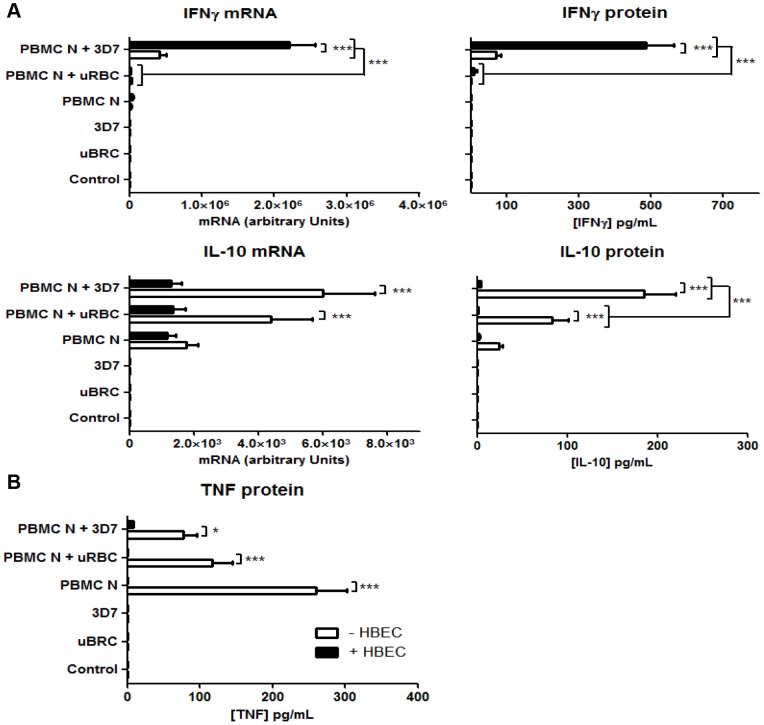
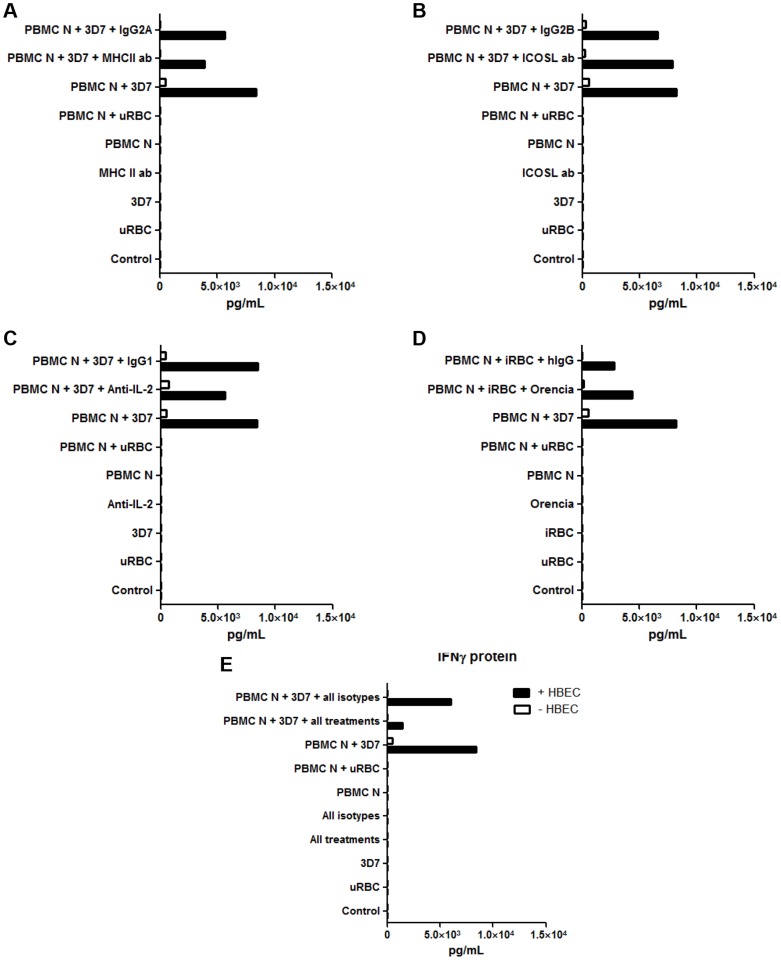
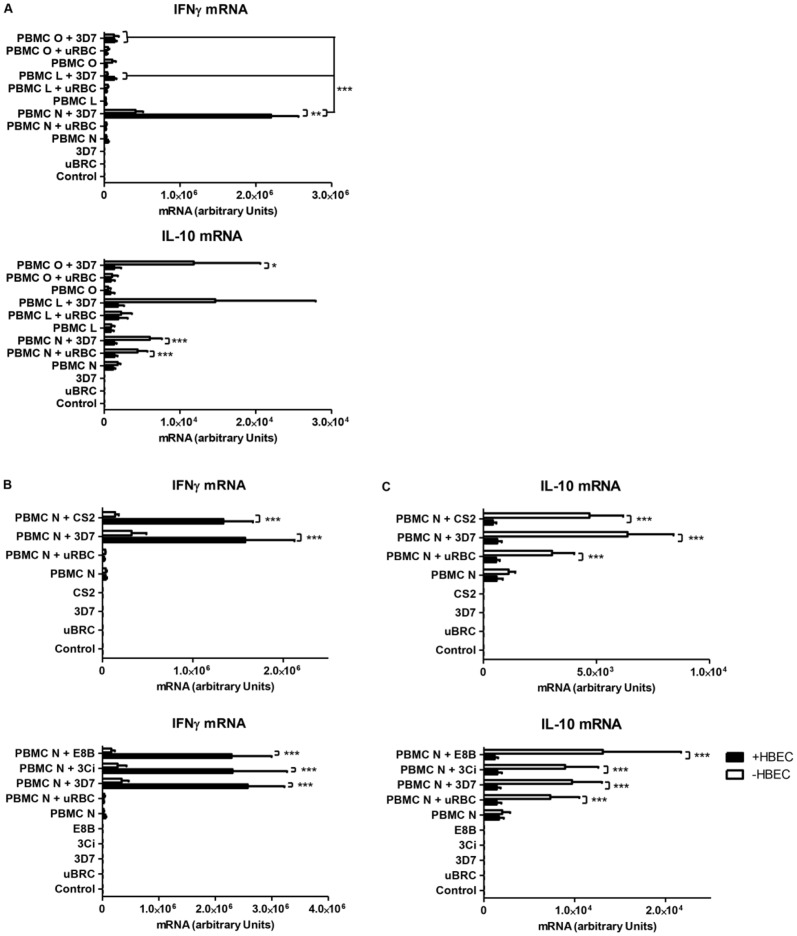
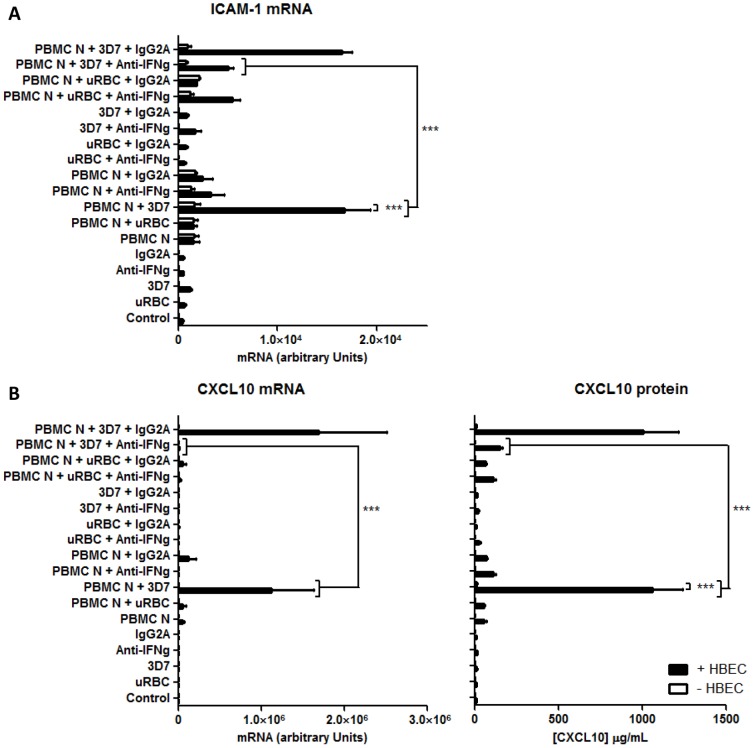
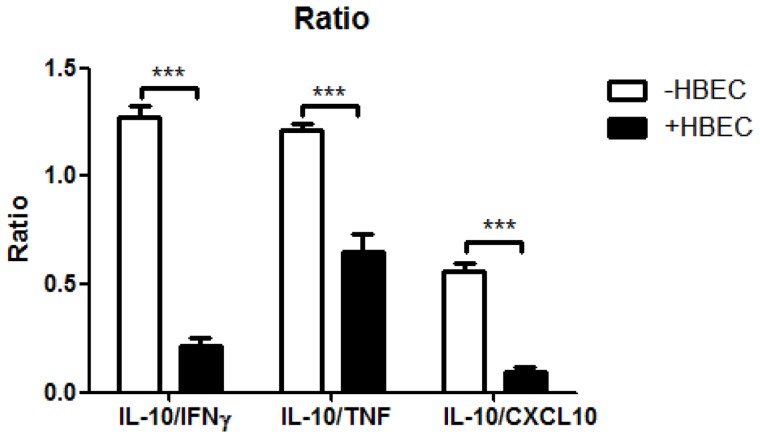
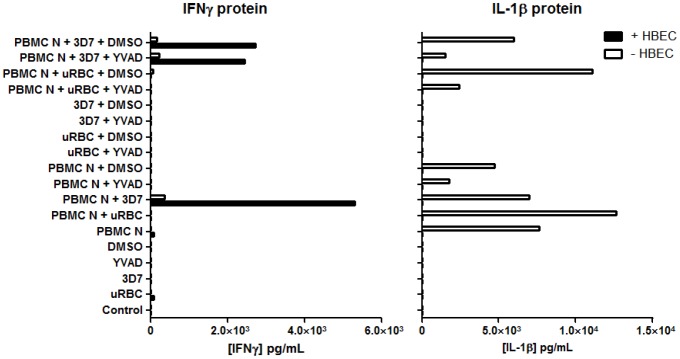
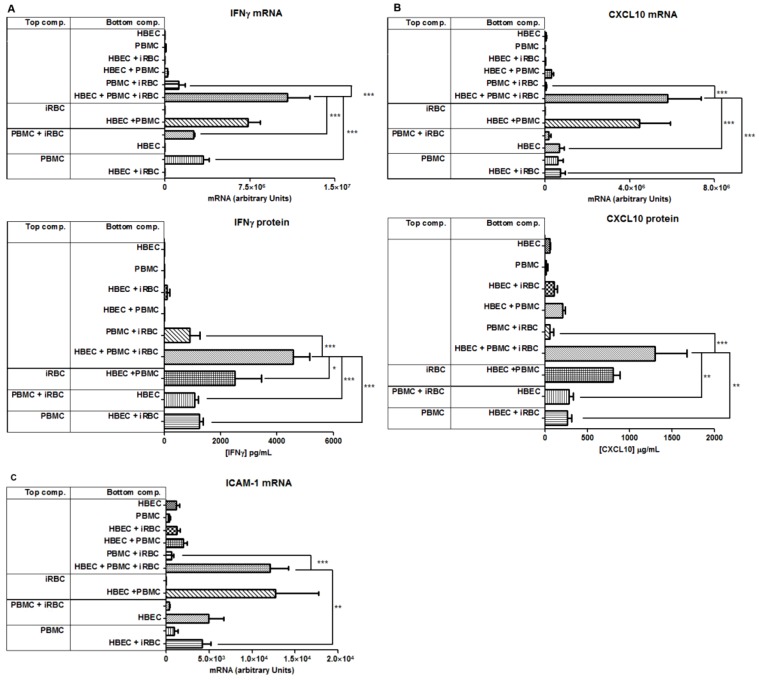
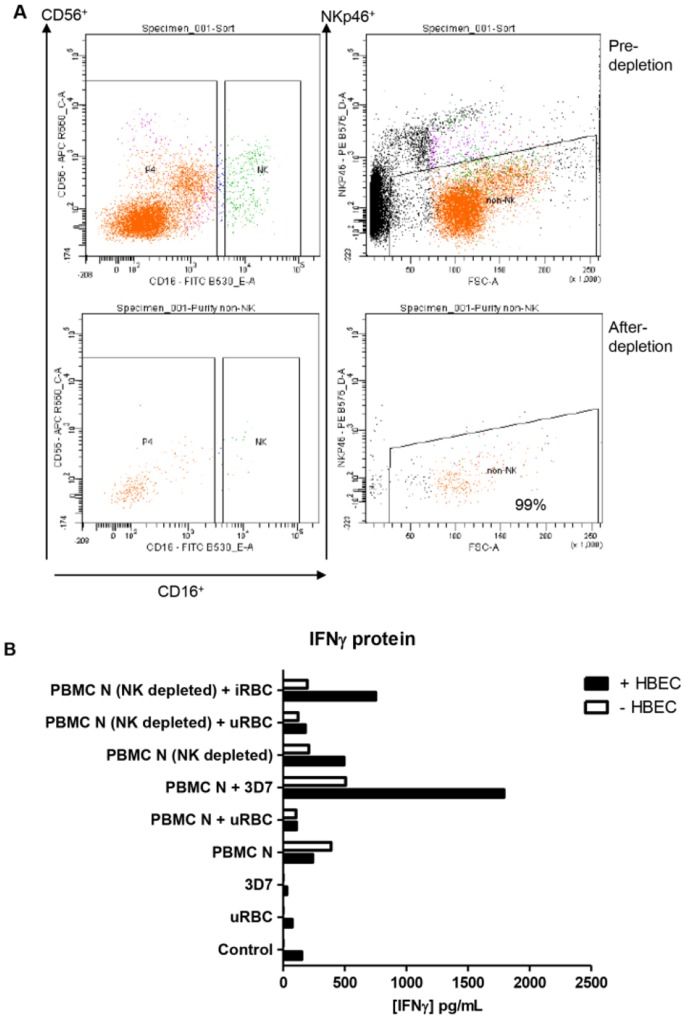
We have established a novel in vitro co-culture system of human brain endothelial cells (HBEC), Plasmodium falciparum parasitised red blood cells (iRBC) and peripheral blood mononuclear cells (PBMC), in order to simulate the chief pathophysiological lesion in cerebral malaria (CM). This approach has revealed a previously unsuspected pro-inflammatory role of the endothelial cell through potentiating the production of interferon (IFN)-γ by PBMC and concurrent reduction of interleukin (IL)-10. The IFN-γ increased the expression of CXCL10 and intercellular adhesion molecule (ICAM)-1, both of which have been shown to be crucial in the pathogenesis of CM. There was a shift in the ratio of IL-10:IFN-γ protein from >1 to <1 in the presence of HBEC, associated with the pro-inflammatory process in this model. For this to occur, a direct contact between PBMC and HBEC, but not PBMC and iRBC, was necessary. These results support HBEC playing an active role in the pathogenesis of CM. Thus, if these findings reflect the pathogenesis of CM, inhibition of HBEC and PBMC interactions might reduce the occurrence, or improve the prognosis, of the condition.
我们建立了一种新型的人脑血管内皮细胞(HBEC)、恶性疟原虫寄生的红细胞(iRBC)和外周血单核细胞(PBMC)体外共培养系统,以模拟脑型疟疾(CM)的主要病理生理损伤。这种方法揭示了内皮细胞以前未被怀疑的促炎作用,通过增强 PBMC 产生干扰素(IFN)-γ和同时减少白细胞介素(IL)-10。IFN-γ增加了趋化因子 10(CXCL10)和细胞间黏附分子(ICAM)-1 的表达,这两者都被证明在 CM 的发病机制中至关重要。在 HBEC 存在的情况下,IL-10:IFN-γ蛋白的比例从>1 变为<1,与该模型中的促炎过程有关。为了发生这种情况,PBMC 和 HBEC 之间需要直接接触,但 PBMC 和 iRBC 之间不需要。这些结果支持 HBEC 在 CM 的发病机制中发挥积极作用。因此,如果这些发现反映了 CM 的发病机制,抑制 HBEC 和 PBMC 相互作用可能会降低该疾病的发生或改善预后。