Department of Diagnostic Imaging, Hospital for Sick Children, University of Toronto, Toronto, Canada.
J Cardiovasc Magn Reson. 2013 Jul 27;15(1):65. doi: 10.1186/1532-429X-15-65.
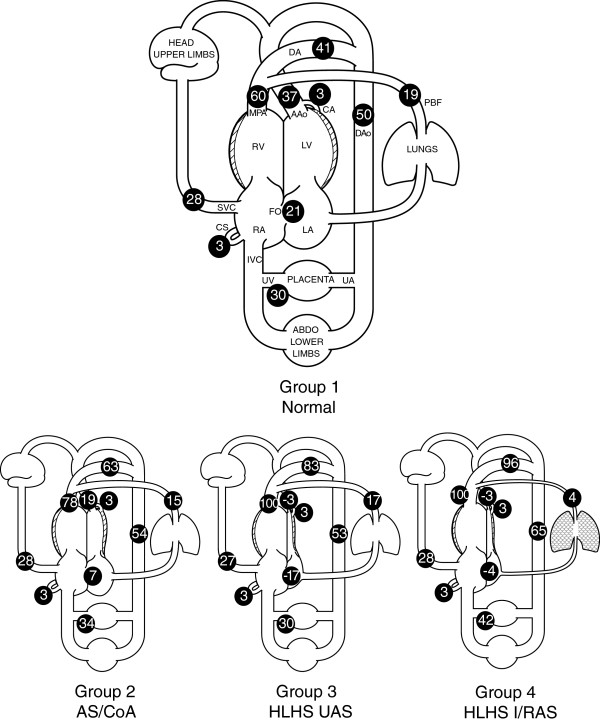
The distribution of blood flow in fetuses with congenital heart disease (CHD) is likely to influence fetal growth, organ development, and postnatal outcome, but has previously been difficult to study. We present the first measurements of the distribution of the fetal circulation in left-sided CHD made using phase contrast cardiac magnetic resonance (CMR).
Twenty-two fetuses with suspected left-sided CHD and twelve normal controls underwent fetal CMR and echocardiography at a mean of 35 weeks gestation (range 30-39 weeks).
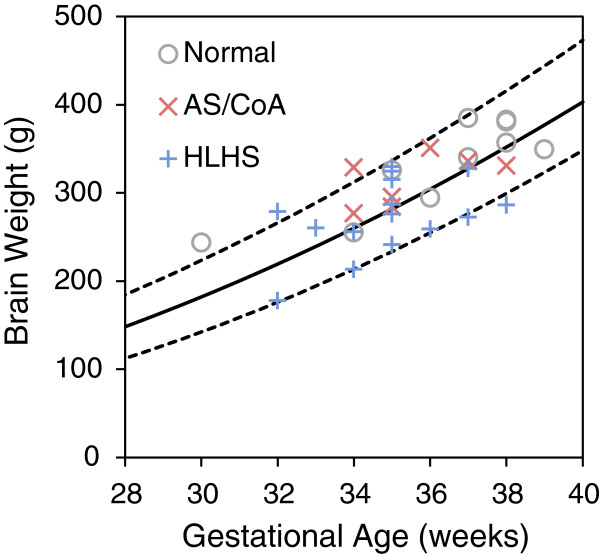
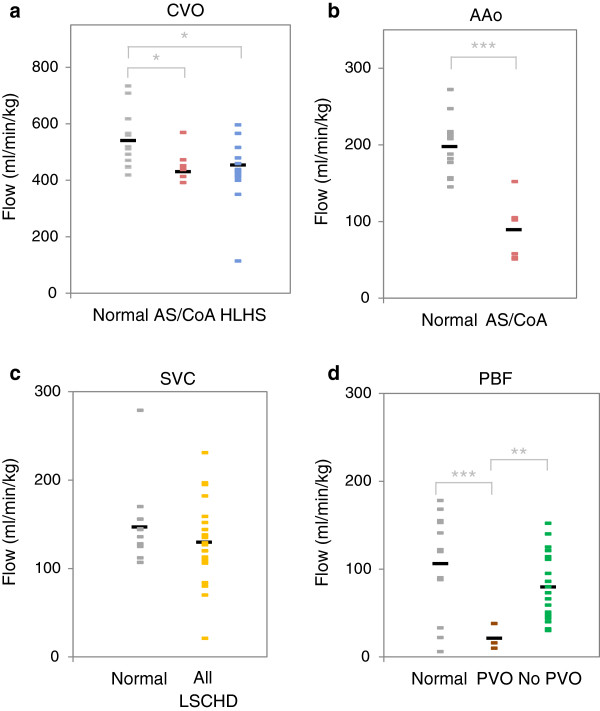
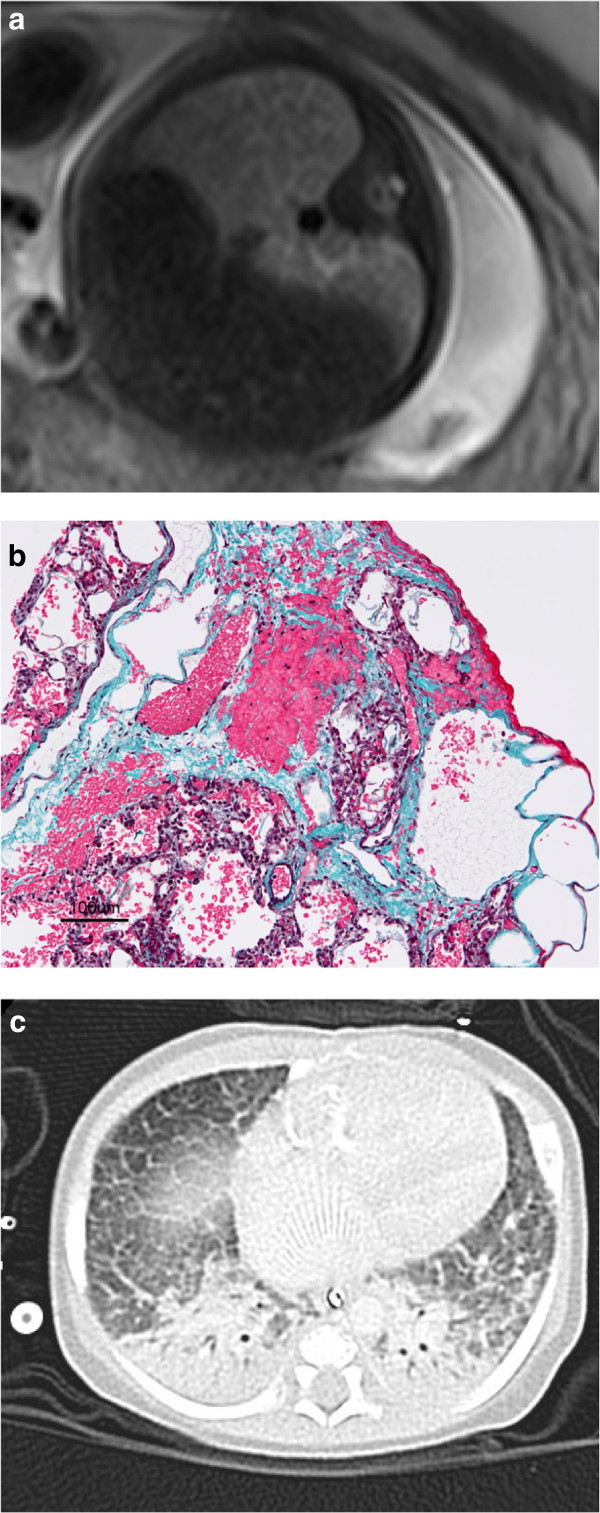
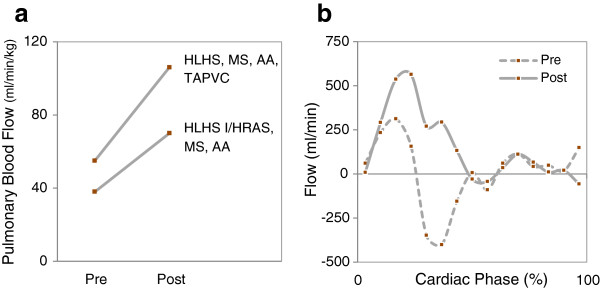
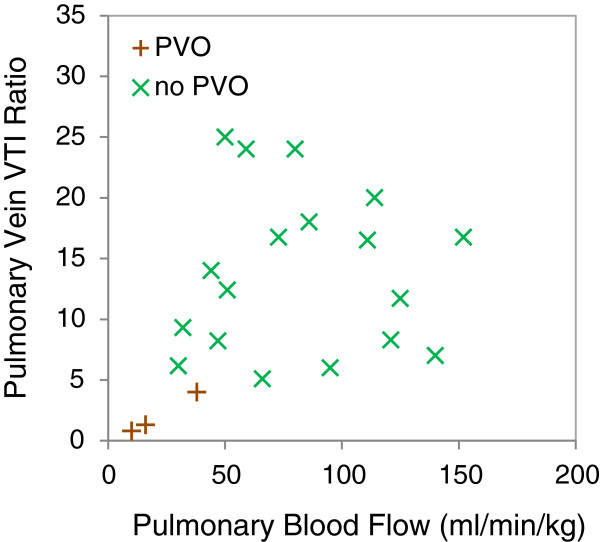
Fetuses with left-sided CHD had a mean combined ventricular output 19% lower than normal controls (p < 0.01). In fetuses with left-sided CHD with pulmonary venous obstruction, pulmonary blood flow was significantly lower than in those with left-sided CHD without pulmonary venous obstruction (p < 0.01). All three fetuses with pulmonary venous obstruction had pulmonary lymphangectasia by fetal CMR and postnatal histology. Fetuses with small but apex forming left ventricles with left ventricular outflow tract or aortic arch obstruction had reduced ascending aortic and foramen ovale flow compared with normals (p < 0.01). Fetuses with left-sided CHD had more variable superior vena caval flows than normal controls (p < 0.05). Six fetuses with CHD had brain weights at or below the 5th centile for gestational age, while none of the fetuses in the normal control group had brain weights below the 25th centile.
Measurement of the distribution of the fetal circulation in late gestation left-sided CHD is feasible with CMR. We demonstrated links between fetal blood flow distribution and postnatal course, and examined the relationship between fetal hemodynamics and lung and brain development. CMR enhances our understanding of pathophysiology of the fetal circulation and, with more experience, may help with the planning of perinatal management and fetal counselling.
先天性心脏病(CHD)胎儿的血流分布可能会影响胎儿的生长、器官发育和出生后结局,但以前很难进行研究。我们首次使用相位对比心脏磁共振(CMR)测量了左心 CHD 胎儿循环的分布。
22 例疑似左心 CHD 胎儿和 12 例正常对照在妊娠 35 周(范围 30-39 周)时接受胎儿 CMR 和超声心动图检查。
左心 CHD 胎儿的总心室输出平均比正常对照组低 19%(p < 0.01)。左心 CHD 合并肺静脉梗阻的胎儿肺血流量明显低于无肺静脉梗阻的左心 CHD 胎儿(p < 0.01)。所有 3 例肺静脉梗阻胎儿均通过胎儿 CMR 和产后组织学证实存在肺淋巴管扩张。左心 CHD 胎儿中,左心室流出道或主动脉弓梗阻导致左心室流出道形成小而心尖的左心室,其升主动脉和卵圆孔血流均低于正常对照组(p < 0.01)。左心 CHD 胎儿的上腔静脉血流比正常对照组更具变异性(p < 0.05)。6 例 CHD 胎儿的脑重位于或低于胎龄的第 5 百分位,而正常对照组中无一例胎儿的脑重低于第 25 百分位。
在妊娠晚期左心 CHD 中,CMR 可用于测量胎儿循环的分布。我们证明了胎儿血流分布与出生后病程之间的联系,并研究了胎儿血液动力学与肺和脑发育之间的关系。CMR 增强了我们对胎儿循环病理生理学的理解,并且随着经验的增加,可能有助于围产期管理和胎儿咨询的规划。