Sadiku Eric, Sun Liqun, Macgowan Christopher K, Seed Mike, Morrison Janna L
Division of Cardiology, Department of Pediatrics, The Hospital for Sick Children, University of Toronto, Toronto, ON, Canada.
Department of Health Science, Queen University, Kingston, ON, Canada.
Front Cardiovasc Med. 2024 Jul 23;11:1426593. doi: 10.3389/fcvm.2024.1426593. eCollection 2024.
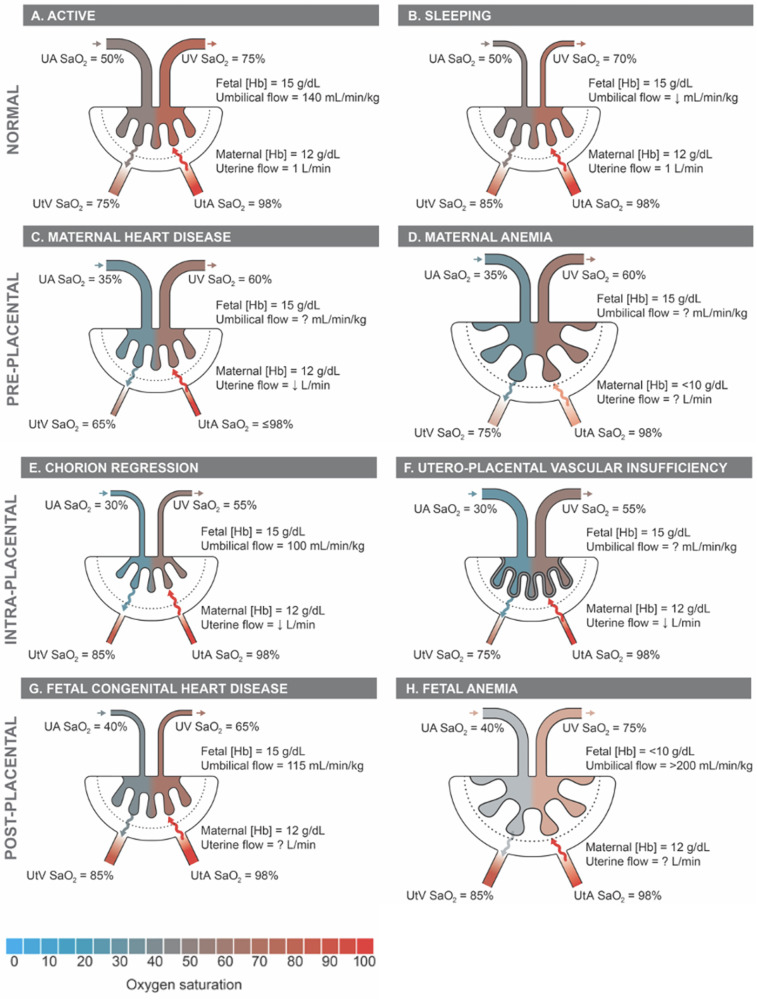
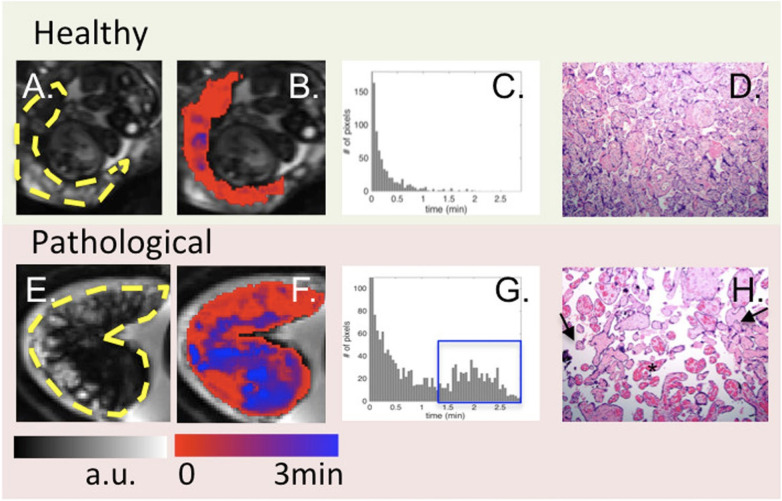
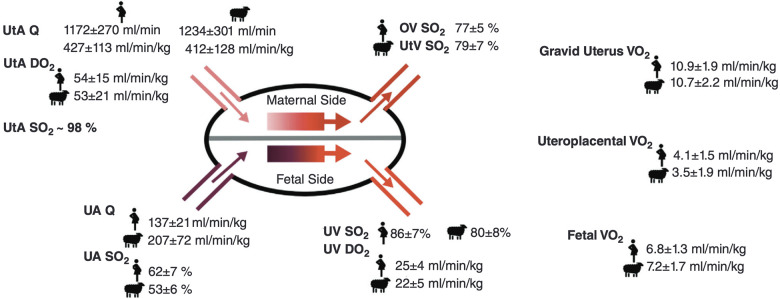
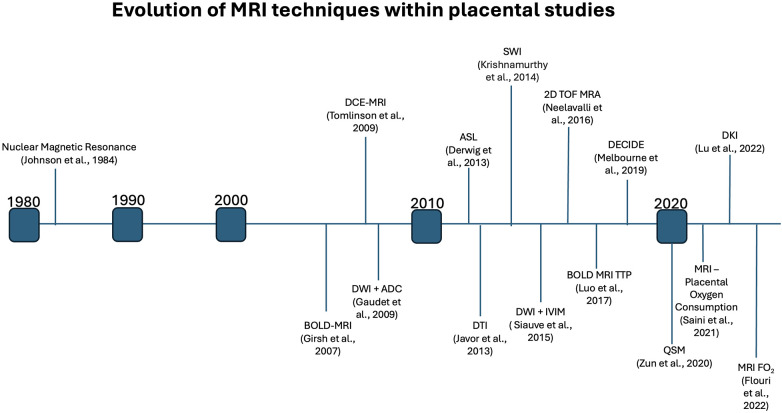
Placental function plays a crucial role in fetal development, as it serves as the primary interface for delivery of nutrients and oxygen from the mother to fetus. Magnetic resonance imaging (MRI) has significantly improved our ability to visualize and understand the placenta's complex structure and function. This review provides an up-to-date examination of the most common and novel placental MRI techniques. It will also discuss the clinical applications of MRI in diagnosing and monitoring placental insufficiency, as well as its implications for fetal growth restriction (FGR) and congenital heart disease (CHD). Ongoing research using multi-parametric MRI techniques aims to develop novel biomarkers and uncover the relationships between placental parameters and pre-onset diseased states, ultimately contributing to better maternal and fetal health outcomes, which is essential to better guide clinical judgement.
胎盘功能在胎儿发育中起着至关重要的作用,因为它是母亲向胎儿输送营养和氧气的主要界面。磁共振成像(MRI)显著提高了我们可视化和理解胎盘复杂结构与功能的能力。本综述对最常见和新颖的胎盘MRI技术进行了最新研究。它还将讨论MRI在诊断和监测胎盘功能不全方面的临床应用,以及其对胎儿生长受限(FGR)和先天性心脏病(CHD)的影响。正在进行的使用多参数MRI技术的研究旨在开发新的生物标志物,并揭示胎盘参数与疾病前期状态之间的关系,最终有助于改善母婴健康结局,这对于更好地指导临床判断至关重要。