Doctoral Program in Anthropology, The Graduate Center, City University of New York, New York, New York, United States of America.
PLoS One. 2013 Jul 24;8(7):e70383. doi: 10.1371/journal.pone.0070383. Print 2013.
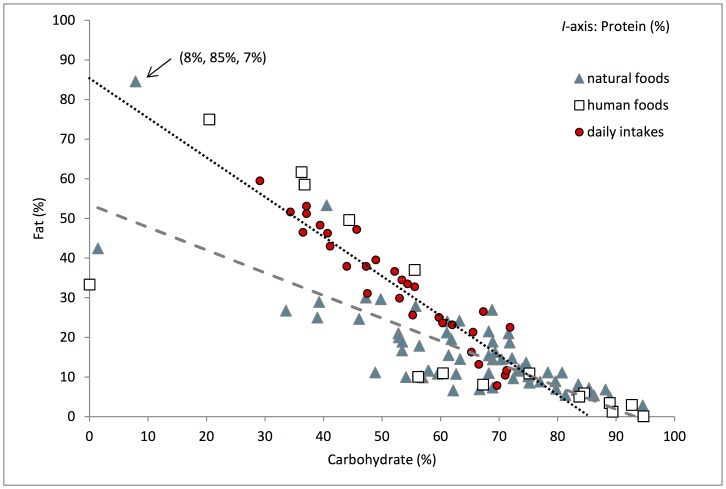
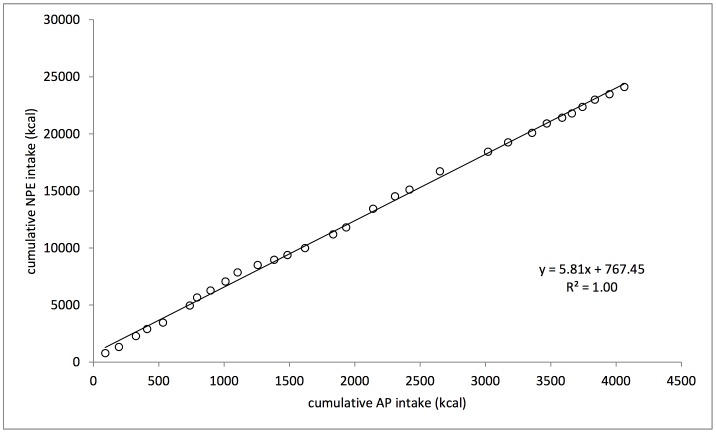
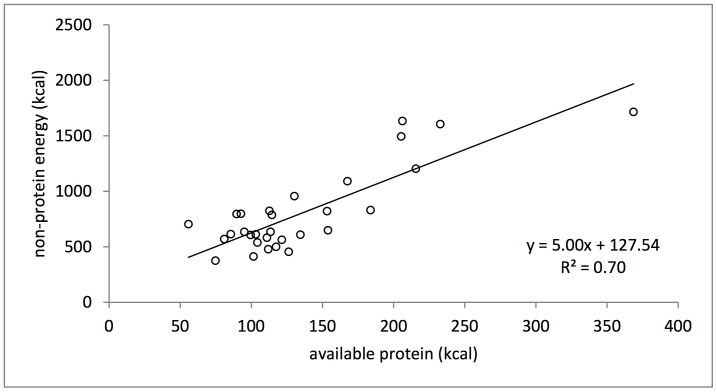
For most animals, the ability to regulate intake of specific nutrients is vital to fitness. Recent studies have demonstrated nutrient regulation in nonhuman primates over periods of one observation day, though studies of humans indicate that such regulation extends to longer time frames. Little is known about longer-term regulation in nonhuman primates, however, due to the challenges of multiple-day focal follows. Here we present the first detailed study of nutrient intake across multiple days in a wild nonhuman primate. We conducted 30 consecutive all day follows on one female chacma baboon (Papio hamadryas ursinus) in the Cape Peninsula of South Africa. We documented dietary composition, compared the nutritional contribution of natural and human-derived foods to the diet, and quantified nutrient intake using the geometric framework of nutrition. Our focus on a single subject over consecutive days allowed us to examine daily dietary regulation within an individual over time. While the amounts varied daily, our subject maintained a strikingly consistent balance of protein to non-protein (fat and carbohydrate) energy across the month. Human-derived foods, while contributing a minority of the diet, were higher in fat and lower in fiber than naturally-derived foods. Our results demonstrate nutrient regulation on a daily basis in our subject, and demonstrate that she was able to maintain a diet with a constant proportional protein content despite wide variation in the composition of component foods. From a methodological perspective, the results of this study suggest that nutrient intake is best estimated over at least an entire day, with longer-term regulatory patterns (e.g., during development and reproduction) possibly requiring even longer sampling. From a management and conservation perspective, it is notable that nearly half the subject's daily energy intake derived from exotic foods, including those currently being eradicated from the study area for replacement by indigenous vegetation.
对于大多数动物来说,调节特定营养素摄入的能力对其健康至关重要。最近的研究表明,非人类灵长类动物在一天的观察期内具有营养调节能力,尽管人类研究表明,这种调节能力可以扩展到更长的时间范围。然而,由于多天的焦点跟踪存在挑战,人们对非人类灵长类动物的长期调节知之甚少。在这里,我们首次详细研究了野生非人类灵长类动物在多天内的营养素摄入情况。我们在南非开普半岛对一只雌性狒狒(Papio hamadryas ursinus)进行了连续 30 天的全天跟踪。我们记录了饮食成分,比较了天然和人类来源食物对饮食的营养贡献,并使用营养的几何框架量化了营养素的摄入量。我们对单个个体进行连续多天的关注,使我们能够随着时间的推移检查个体内部的日常饮食调节。虽然每天的摄入量有所不同,但我们的研究对象在整个月内保持了蛋白质与非蛋白质(脂肪和碳水化合物)能量之间惊人的一致平衡。人类来源的食物虽然只占饮食的一小部分,但与天然来源的食物相比,它们的脂肪含量更高,纤维含量更低。我们的研究结果表明,我们的研究对象在每天的基础上进行了营养调节,并且表明尽管组成食物的成分存在广泛变化,但她能够维持具有恒定比例蛋白质的饮食。从方法学的角度来看,这项研究的结果表明,营养素的摄入量最好在至少一整天的时间内进行估计,而长期的调节模式(例如,在发育和繁殖期间)可能需要更长的采样时间。从管理和保护的角度来看,值得注意的是,研究对象每天的能量摄入中有近一半来自外来食物,其中包括目前正在研究区域内被根除的食物,以便用本土植被取代。