Chemistry Research Laboratory, University of Oxford , 12 Mansfield Road, Oxford OX1 3TA, United Kingdom.
J Med Chem. 2013 Sep 12;56(17):6945-53. doi: 10.1021/jm400769b. Epub 2013 Aug 16.
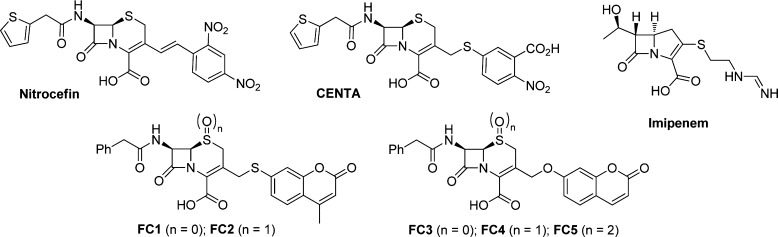
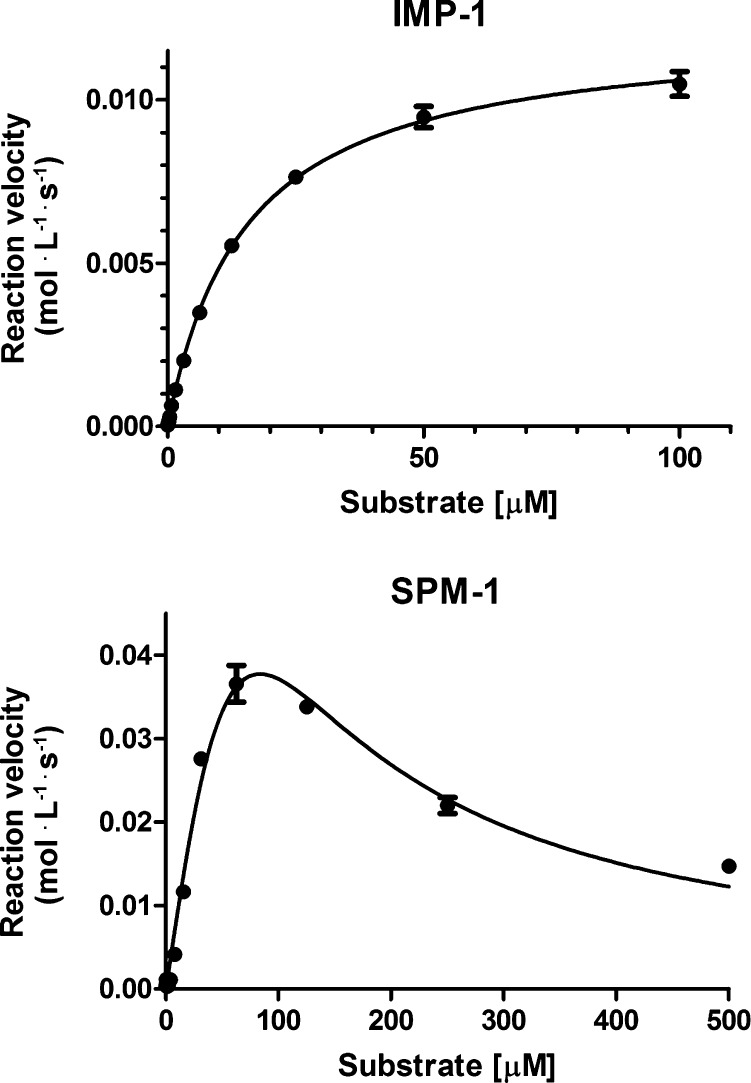
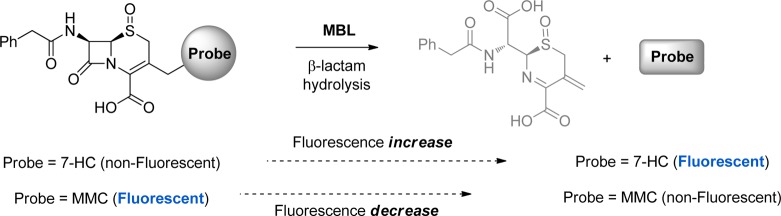
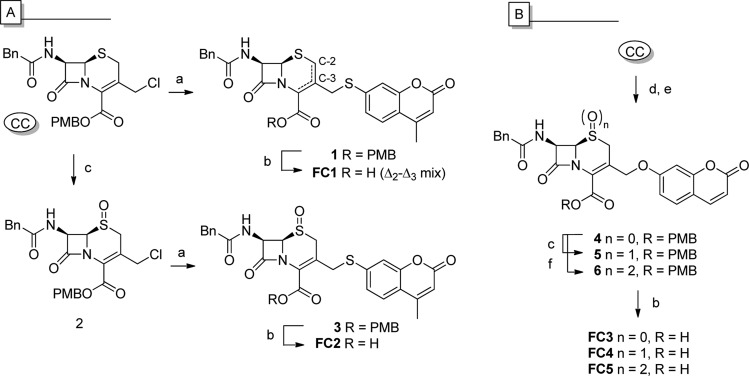
Metallo-β-lactamases (MBLs) are a growing threat to the use of almost all clinically used β-lactam antibiotics. The identification of broad-spectrum MBL inhibitors is hampered by the lack of a suitable screening platform, consisting of appropriate substrates and a set of clinically relevant MBLs. We report procedures for the preparation of a set of clinically relevant metallo-β-lactamases (i.e., NDM-1 (New Delhi MBL), IMP-1 (Imipenemase), SPM-1 (São Paulo MBL), and VIM-2 (Verona integron-encoded MBL)) and the identification of suitable fluorogenic substrates (umbelliferone-derived cephalosporins). The fluorogenic substrates were compared to chromogenic substrates (CENTA, nitrocefin, and imipenem), showing improved sensitivity and kinetic parameters. The efficiency of the fluorogenic substrates was exemplified by inhibitor screening, identifying 4-chloroisoquinolinols as potential pan MBL inhibitors.
金属β-内酰胺酶(MBLs)对几乎所有临床使用的β-内酰胺类抗生素的应用构成了日益严重的威胁。由于缺乏合适的筛选平台,包括适当的底物和一组临床相关的 MBL,广谱 MBL 抑制剂的鉴定受到阻碍。我们报告了一组临床相关金属β-内酰胺酶(即 NDM-1(新德里 MBL)、IMP-1(亚胺培南酶)、SPM-1(圣保罗 MBL)和 VIM-2(维罗纳整合子编码 MBL))的制备程序和合适的荧光底物(伞形酮衍生的头孢菌素)的鉴定。荧光底物与显色底物(CENTA、硝基头孢菌素和亚胺培南)进行了比较,显示出更高的灵敏度和动力学参数。荧光底物的效率通过抑制剂筛选得到了例证,发现 4-氯异喹啉醇类化合物是潜在的泛 MBL 抑制剂。