Leadership Development for Mobilising Reproductive Health (LDM), Institute of International Education, Karachi, Pakistan.
BMJ Open. 2013 Aug 1;3(8):e003279. doi: 10.1136/bmjopen-2013-003279.
To explore perspectives of three modern contraceptive objects, using an emic approach, among women in a low-income community in Karachi, Pakistan.
A qualitative interview study design was employed, using qualitative content analysis with an inductive approach and manual thematic coding.
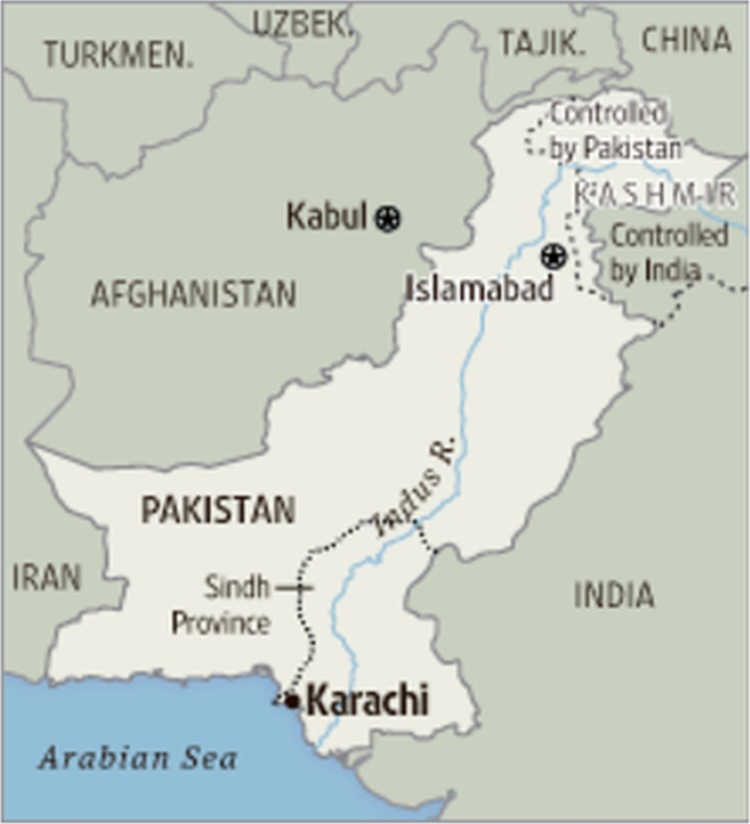
Shah Faisal Colony, Karachi.
20 women, potential contraceptive users of reproductive age and living within a health centre catchment, were purposively selected to provide a similar number of non-users (n=5), contraceptive injection users (n=7), pill users (n=4), and intrauterine device users (n=4). One interview was excluded because it was not recorded. No other exclusion criteria were used.
The primary outcome was interpretation of potency and effects of selected family planning objects. Secondary outcome measures were knowledge of family planning and description of therapeutic approaches used and preferred.
Awareness of family planning was high. Women described different therapeutic approaches, stating they generally preferred modern medicine for contraception as it was fastest and most powerful. They reported that fear of some contraceptive objects, particularly injections and intrauterine contraceptive devices, influenced their choices. Women explained their perceptions of how the heating effects of contraceptives could cause unwanted side effects including menstrual irregularities, weight gain and weakness, leading to disease.
Most women wanted family planning, but remained dissatisfied with the available contraceptives and their effects. While women reported that they relied on modern medicine for contraception, their descriptions of how contraceptives affected their health relied on the hot-cold explanatory idiom of traditional medicine.
采用本土化方法,探讨巴基斯坦卡拉奇一个低收入社区中三种现代避孕方法的使用者的观点。
采用定性访谈研究设计,采用定性内容分析法,采用归纳法和手动主题编码。
卡拉奇沙阿法扎尔殖民地。
20 名妇女,为有生育能力且居住在卫生中心服务范围内的潜在避孕药具使用者,目的是选择相同数量的非使用者(n=5)、避孕注射剂使用者(n=7)、避孕药使用者(n=4)和宫内节育器使用者(n=4)。由于未录制,因此排除了一次访谈。未使用其他排除标准。
主要结果是解释选定的计划生育对象的效力和影响。次要结果是计划生育知识和描述使用和偏好的治疗方法。
计划生育意识很高。妇女描述了不同的治疗方法,称她们通常更喜欢现代医学避孕,因为它最快、最有效。他们报告说,对某些避孕方法的恐惧,特别是注射和宫内避孕器具,影响了他们的选择。妇女解释了他们对避孕药具的加热作用如何导致诸如月经不规律、体重增加和虚弱等不良副作用的看法,从而导致疾病。
大多数妇女都希望计划生育,但对现有的避孕药具及其效果仍不满意。虽然妇女报告说她们依靠现代医学来避孕,但她们对避孕药具如何影响她们健康的描述依赖于传统医学的寒热解释语。