Department of Economics, Harvard University, 1805 Cambridge Street, Cambridge, MA 01238, USA.
J Health Econ. 2013 Sep;32(5):863-72. doi: 10.1016/j.jhealeco.2013.06.002. Epub 2013 Jun 26.
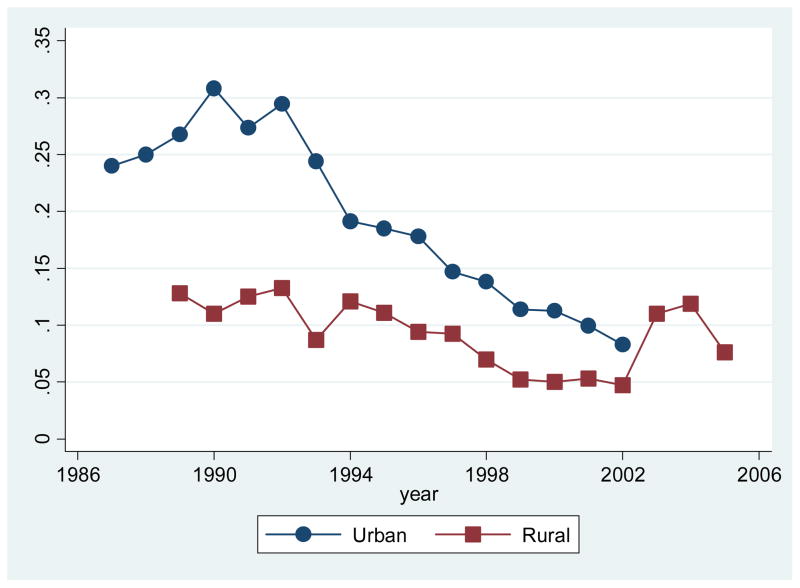
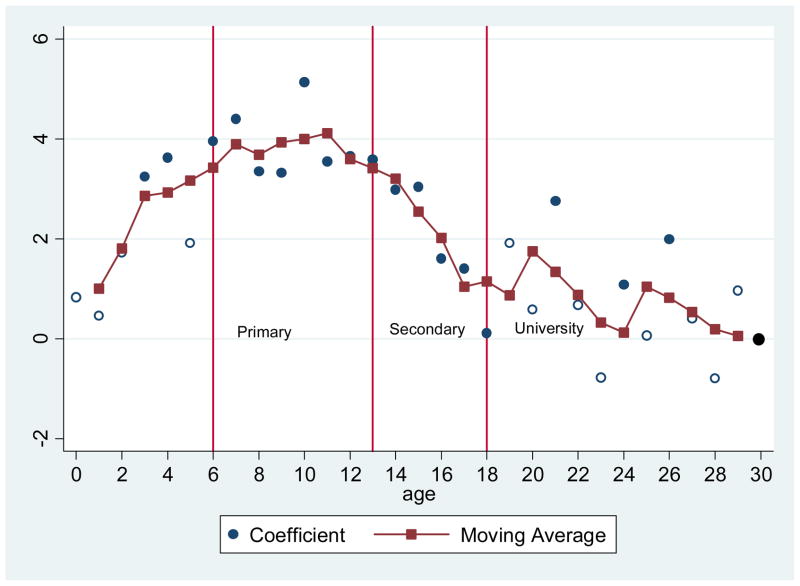
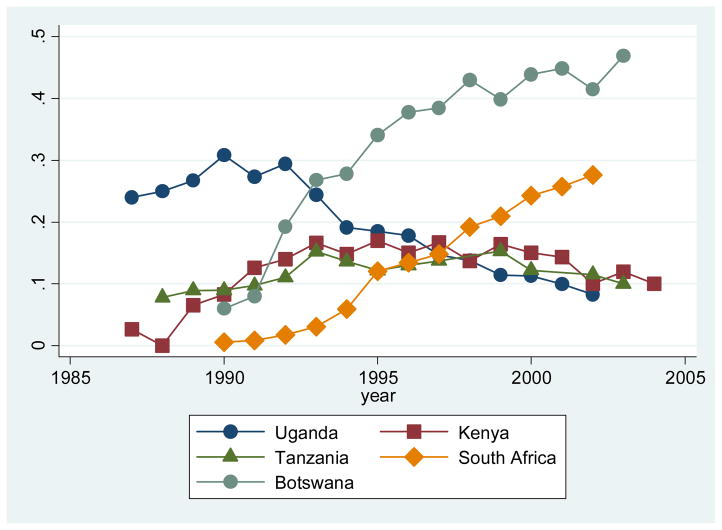
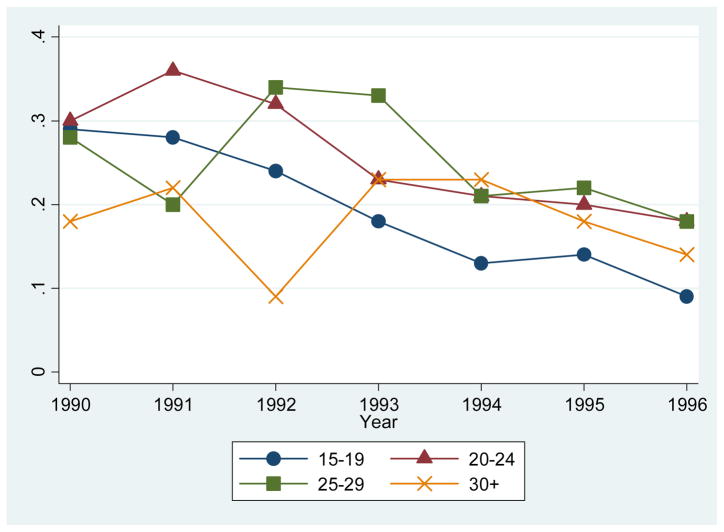
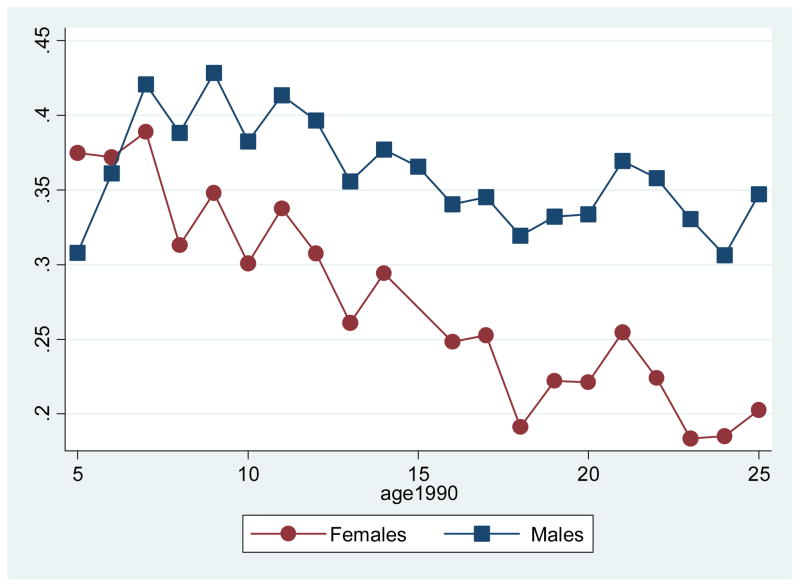
Uganda is widely viewed as a public health success for curtailing its HIV/AIDS epidemic in the early 1990s. The period of rapid HIV decline coincided with a dramatic rise in girls' secondary school enrollment. We instrument for this enrollment with distance to school, conditional on a rich set of demographic and locational controls, including distance to market center. We find that girls' enrollment in secondary education significantly increased the likelihood of abstaining from sex. Using a triple-difference estimator, we find that some of the schooling increase among young women was in response to a 1990 affirmative action policy giving women an advantage over men on University applications.
乌干达在 20 世纪 90 年代初控制艾滋病疫情方面被广泛认为是公共卫生领域的成功典范。在艾滋病毒迅速减少的时期,女孩中学入学率急剧上升。我们通过距离学校的距离来衡量这种入学率,同时考虑了一系列丰富的人口统计和地理位置控制因素,包括距离市场中心的距离。我们发现,女孩接受中学教育的比例显著增加了她们避免性行为的可能性。使用三重差分估计量,我们发现,年轻女性中学入学率的上升部分是对 1990 年平权行动政策的回应,该政策使女性在大学申请中比男性具有优势。