Cell Biology Division, MRC Laboratory of Molecular Biology, Cambridge CB2 0QH, England, UK.
J Cell Biol. 2013 Aug 5;202(3):479-94. doi: 10.1083/jcb.201211052.
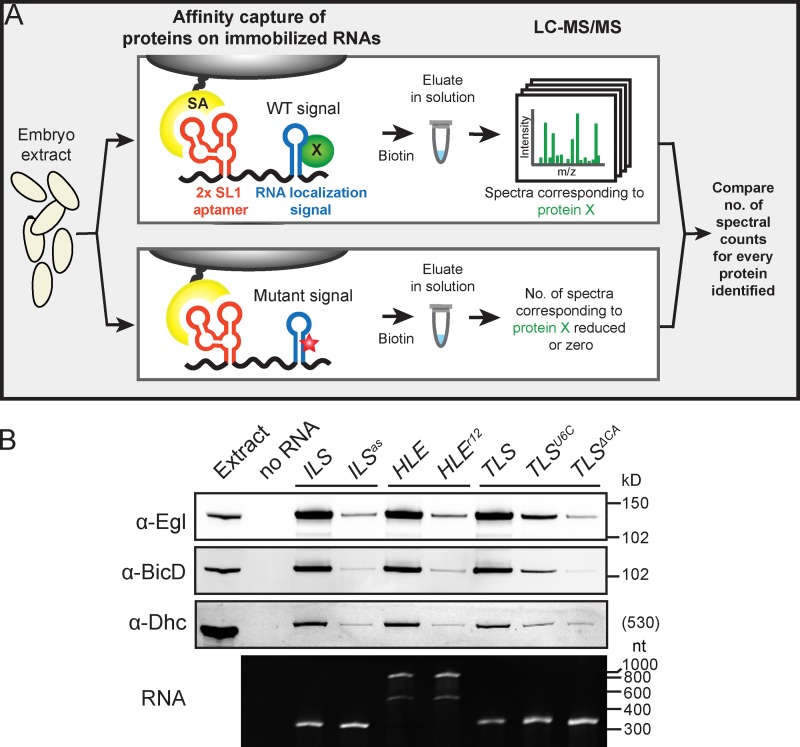
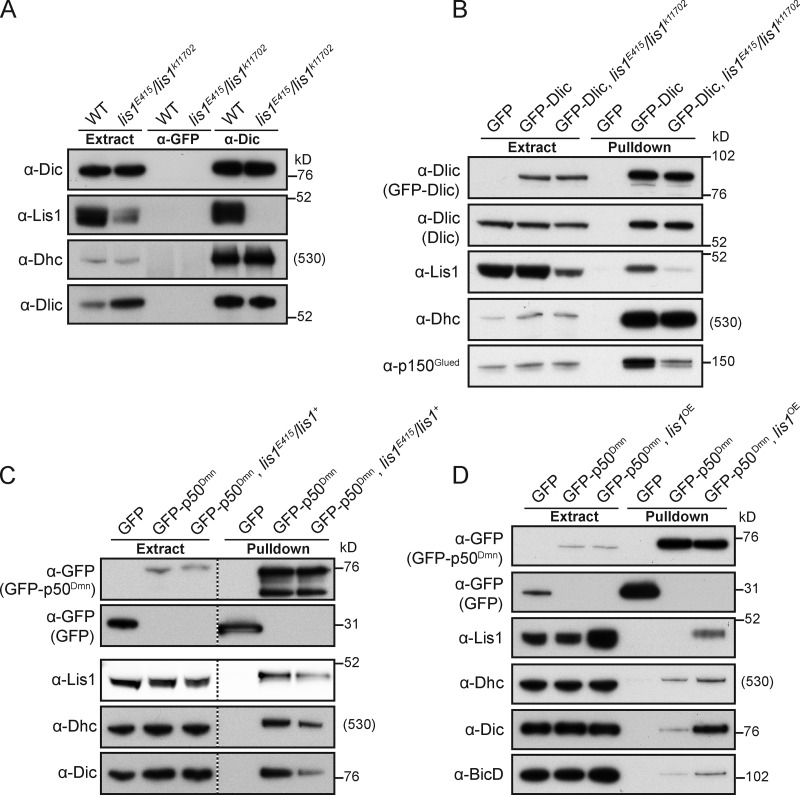
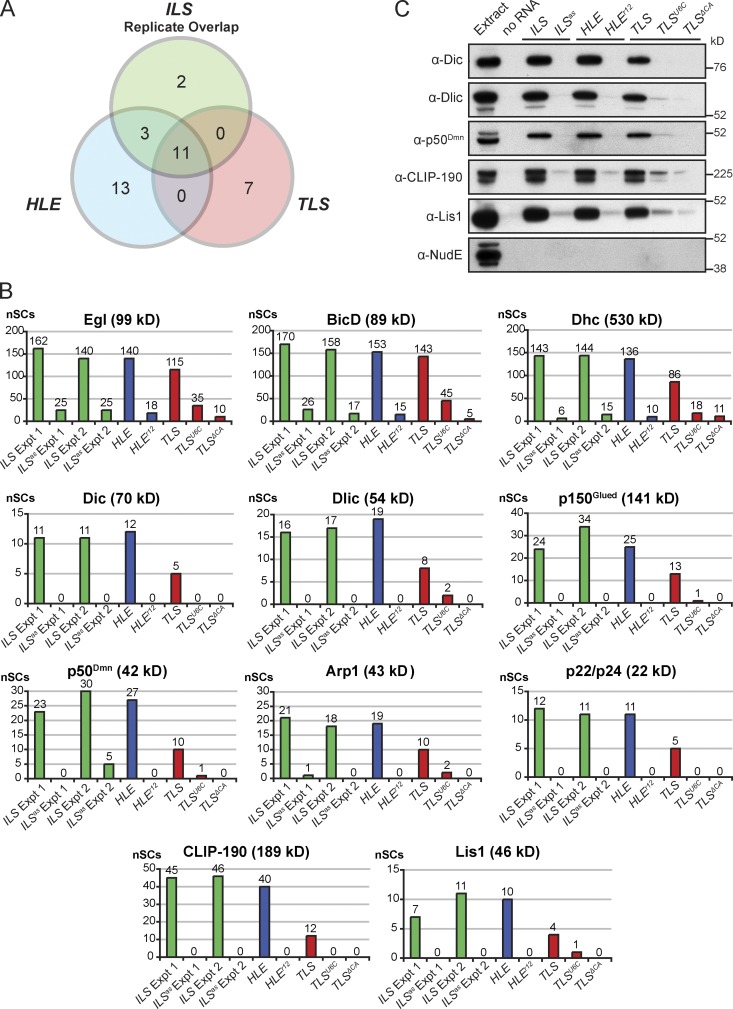
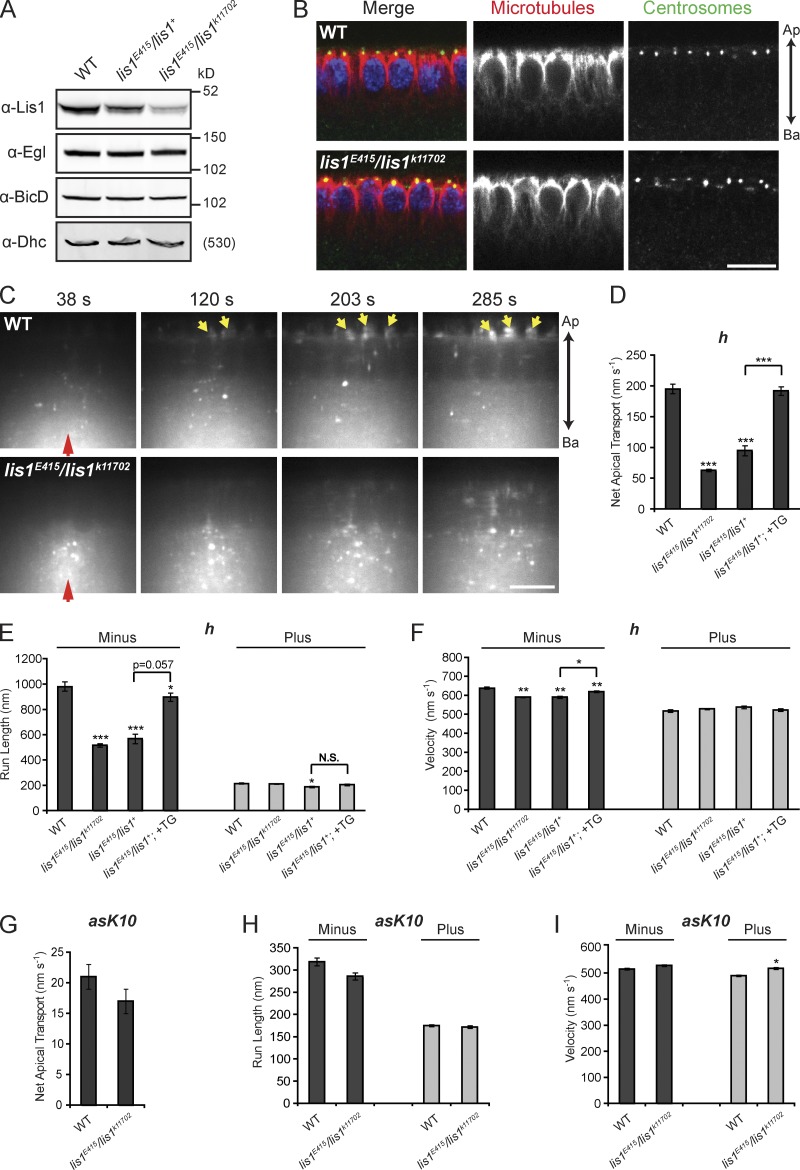
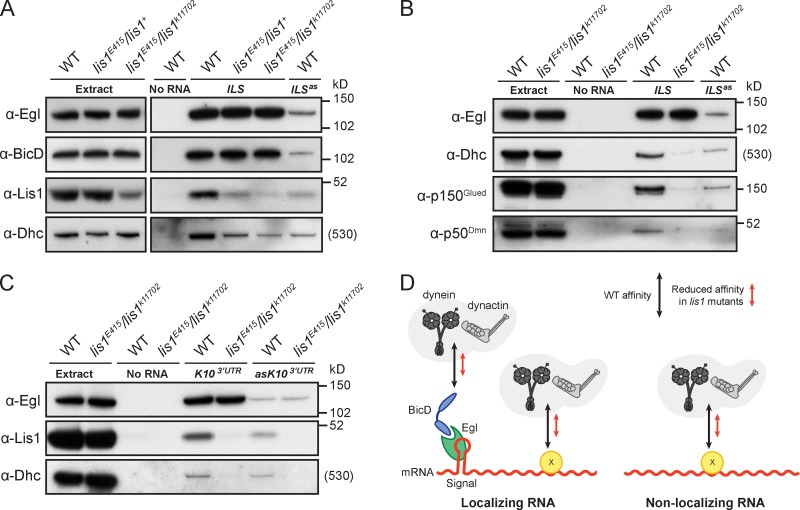
Microtubule-based transport mediates the sorting and dispersal of many cellular components and pathogens. However, the mechanisms by which motor complexes are recruited to and regulated on different cargos remain poorly understood. Here we describe a large-scale biochemical screen for novel factors associated with RNA localization signals mediating minus end-directed mRNA transport during Drosophila development. We identified the protein Lissencephaly-1 (Lis1) and found that minus-end travel distances of localizing transcripts are dramatically reduced in lis1 mutant embryos. Surprisingly, given its well-documented role in regulating dynein mechanochemistry, we uncovered an important requirement for Lis1 in promoting the recruitment of dynein and its accessory complex dynactin to RNA localization complexes. Furthermore, we provide evidence that Lis1 levels regulate the overall association of dynein with dynactin. Our data therefore reveal a critical role for Lis1 within the mRNA localization machinery and suggest a model in which Lis1 facilitates motor complex association with cargos by promoting the interaction of dynein with dynactin.
基于微管的运输介导了许多细胞成分和病原体的分拣和分散。然而,马达复合物如何被招募到不同的货物上并在其上进行调节,仍然知之甚少。在这里,我们描述了一个大规模的生化筛选,以寻找与 RNA 定位信号相关的新因子,这些信号介导果蝇发育过程中负向末端定向的 mRNA 运输。我们鉴定了 Lissencephaly-1(Lis1)蛋白,并发现定位转录物的负向旅行距离在 lis1 突变体胚胎中显著降低。令人惊讶的是,考虑到它在调节动力蛋白机械化学方面的已有文献记录,我们发现 Lis1 对于促进动力蛋白及其辅助复合物 dynactin 向 RNA 定位复合物的招募非常重要。此外,我们提供的证据表明 Lis1 水平调节了动力蛋白与 dynactin 的整体结合。因此,我们的数据揭示了 Lis1 在 mRNA 定位机制中的关键作用,并提出了一个模型,即 Lis1 通过促进动力蛋白与 dynactin 的相互作用,促进马达复合物与货物的结合。