Department of Mechanical and Aerospace Engineering, Polytechnic Institute of New York University, Brooklyn, New York, United States of America.
PLoS One. 2013 Jul 29;8(7):e69661. doi: 10.1371/journal.pone.0069661. Print 2013.
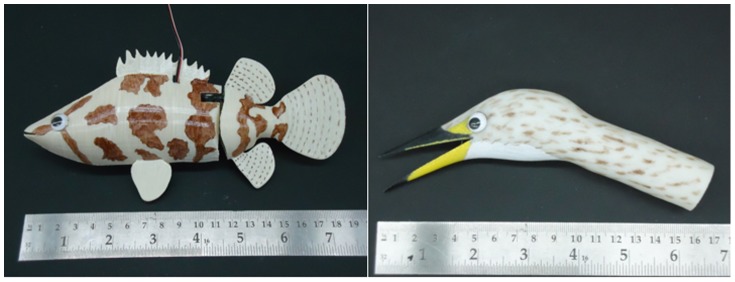
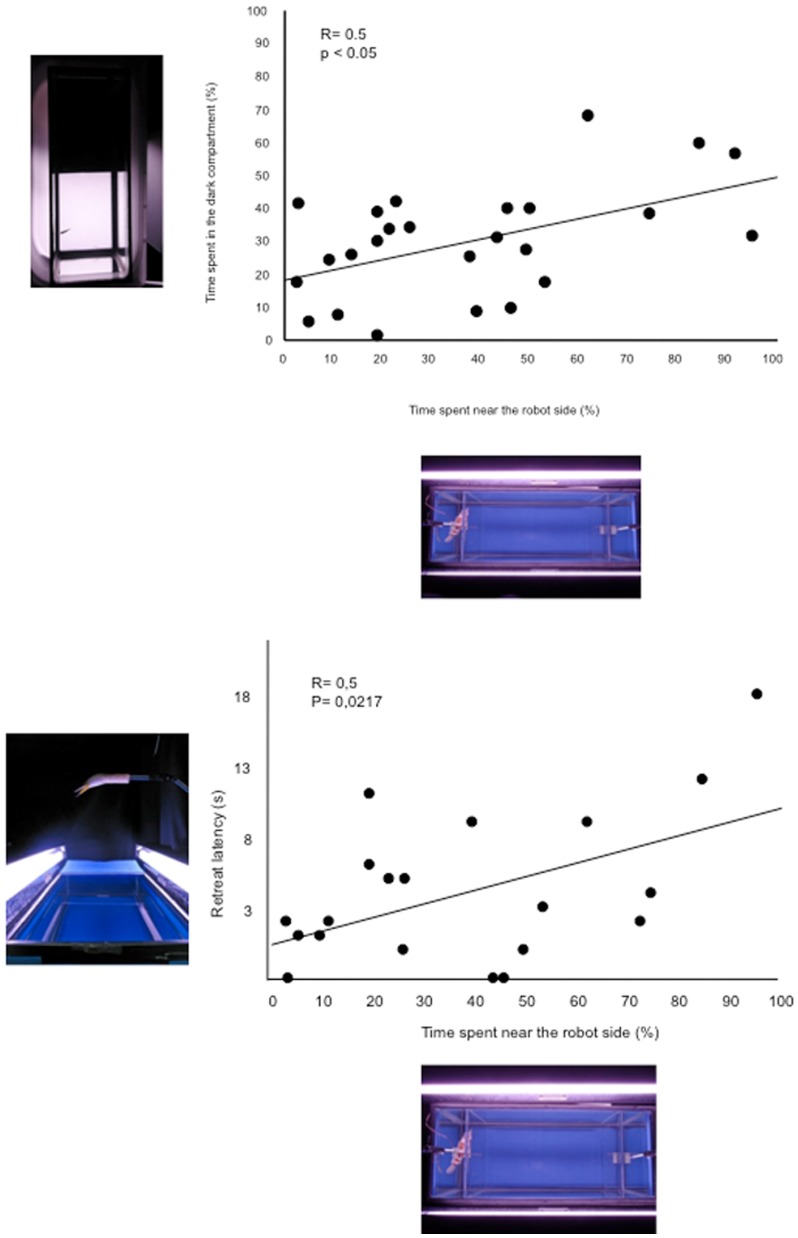
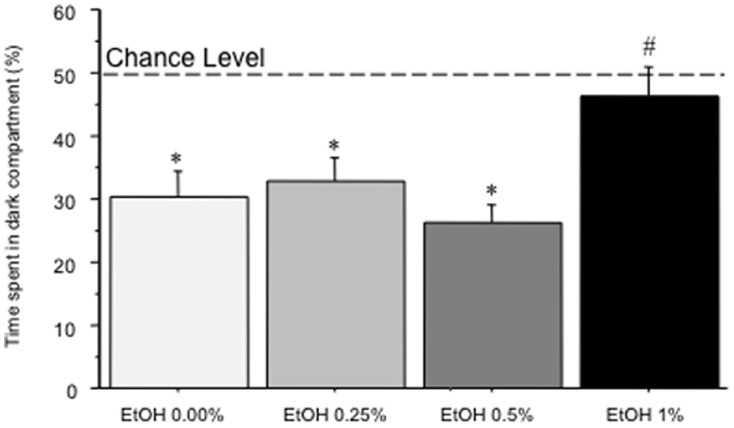
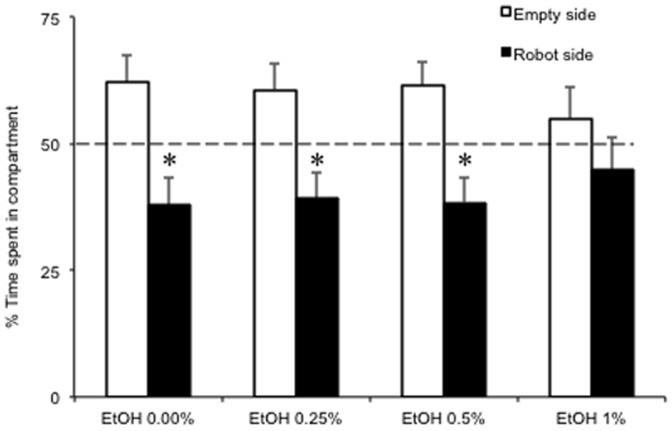
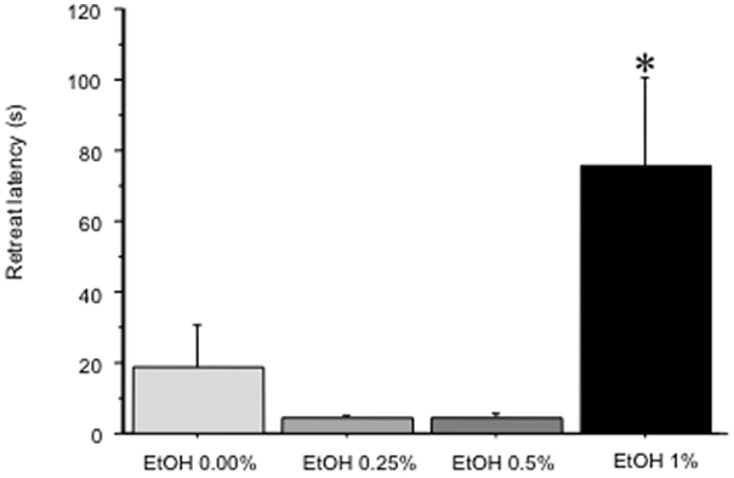
Zebrafish are gaining momentum as a laboratory animal species for the study of anxiety-related disorders in translational research, whereby they serve a fundamental complement to laboratory rodents. Several anxiety-related behavioral paradigms, which rest upon the presentation of live predatorial stimuli, may yield inconsistent results due to fatigue, habituation, or idiosyncratic responses exhibited by the stimulus itself. To overcome these limitations, we designed and manufactured a fully controllable robot inspired by a natural aquatic predator (Indian leaf fish, Nandus nandus) of zebrafish. We report that this robot elicits aversive antipredatorial reactions in a preference test and that data obtained therein correlate with data observed in traditional anxiety- and fear-related tests (light/dark preference and shelter-seeking). Finally, ethanol administration (0.25; 0.50; 1.00%) exerts anxiolytic effects, thus supporting the view that robotic stimuli can be used in the analysis of anxiety-related behaviors in zebrafish.
斑马鱼作为一种实验室动物物种,在焦虑相关障碍的转化研究中越来越受到关注,它们是实验室啮齿动物的重要补充。一些与焦虑相关的行为范式,基于呈现活体捕食性刺激,可以由于疲劳、习惯化或刺激本身表现出的特质反应而产生不一致的结果。为了克服这些限制,我们设计并制造了一个受斑马鱼的天然水生捕食者(印度叶鱼,Nandus nandus)启发的全可控机器人。我们报告说,这种机器人在偏好测试中引发了厌恶的防御性反应,并且从中获得的数据与传统的焦虑和恐惧相关测试(光/暗偏好和躲避寻求)中观察到的数据相关。最后,乙醇给药(0.25%;0.50%;1.00%)产生抗焦虑作用,这支持了这样一种观点,即机器人刺激可用于分析斑马鱼的焦虑相关行为。