Deutsches Elektronen-Synchrotron DESY, Notkestraβe 85, D-22607 Hamburg, Germany.
Sci Rep. 2013;3:2383. doi: 10.1038/srep02383.
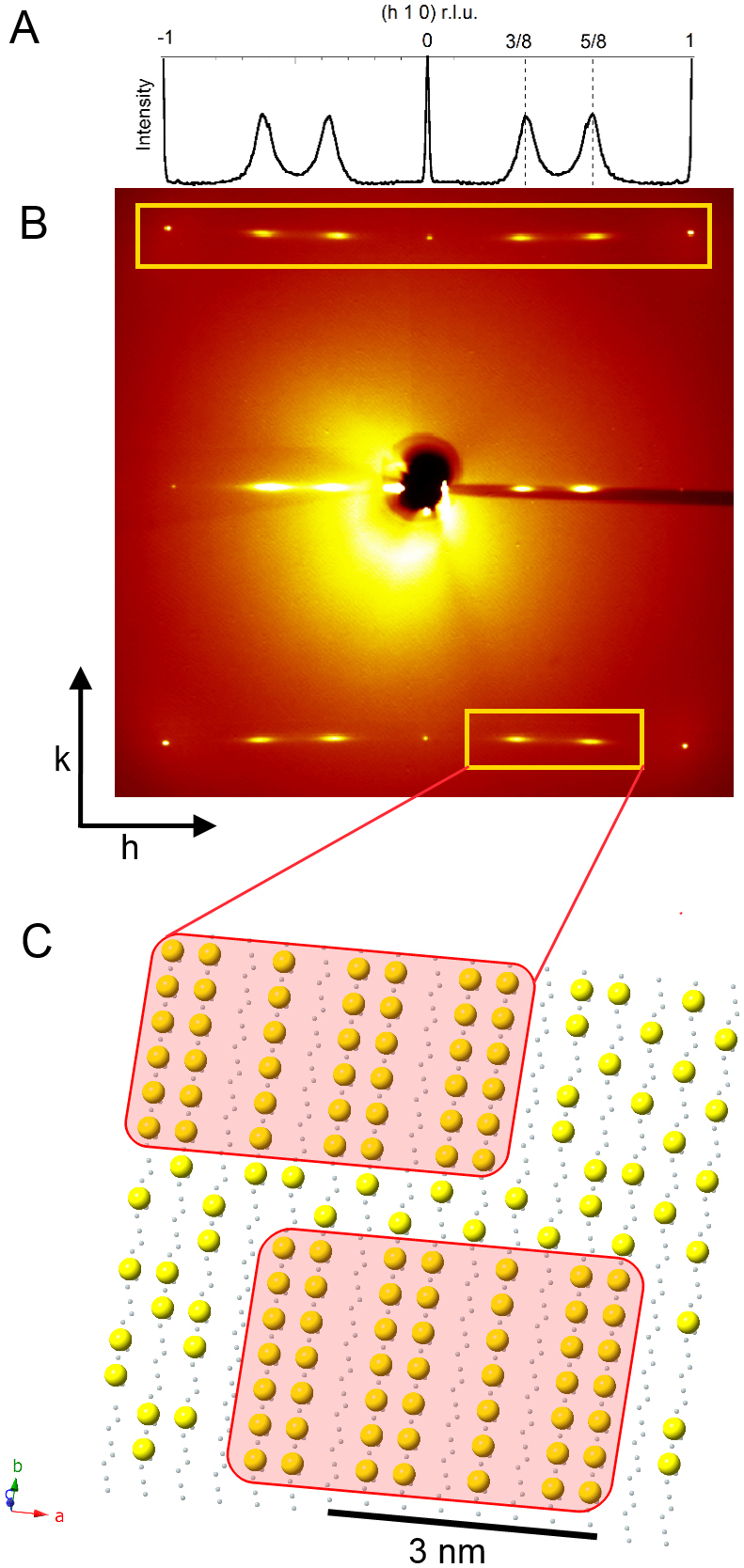
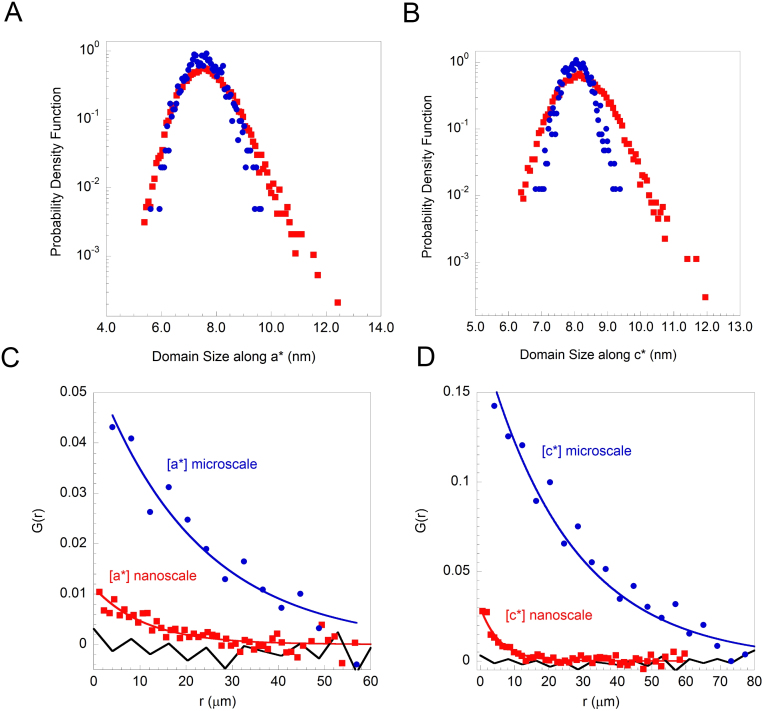
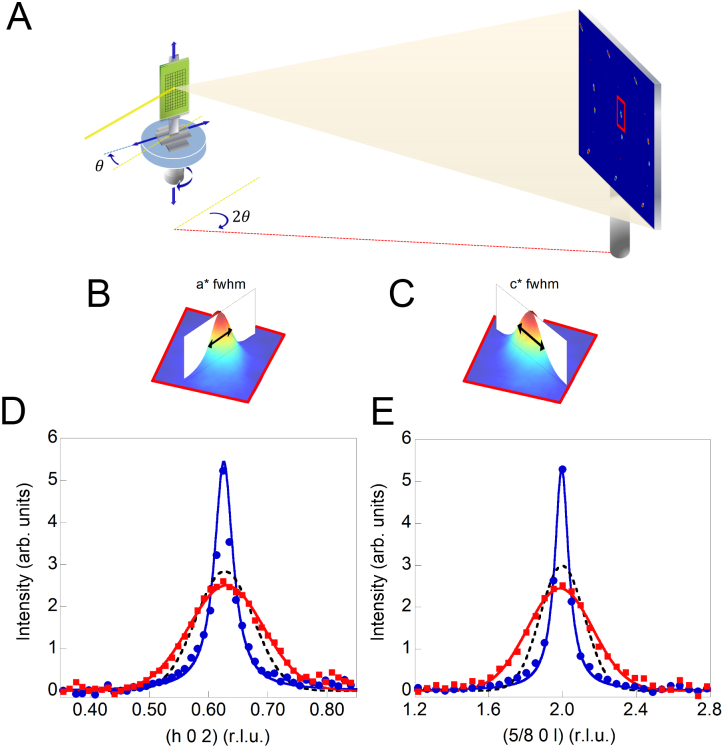
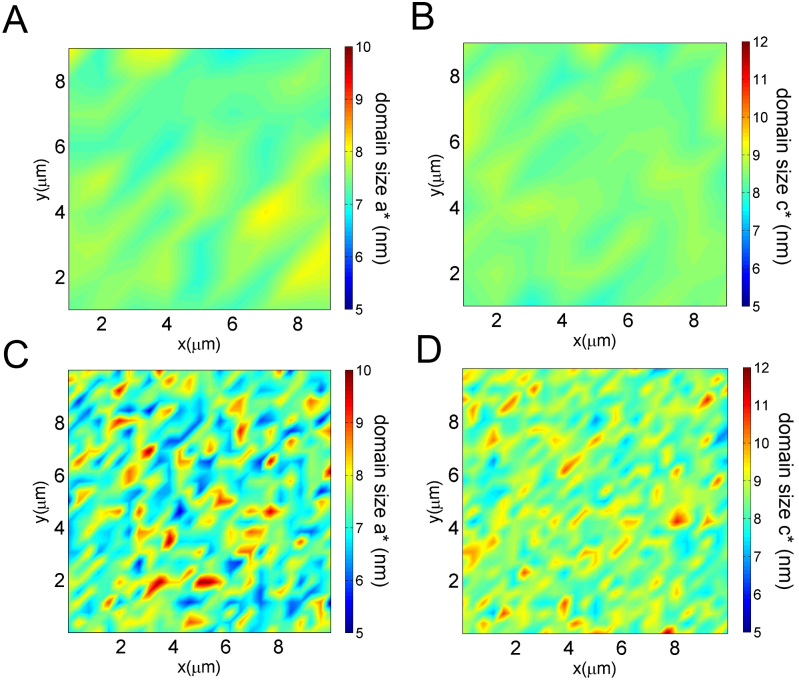
Despite intensive research a physical explanation of high Tc superconductors remains elusive. One reason for this is that these materials have generally a very complex structure making useless theoretical models for a homogeneous system. Little is known on the control of the critical temperature by the space disposition of defects because of lack of suitable experimental probes. X-ray diffraction and neutron scattering experiments used to investigate y oxygen dopants in YBa2Cu3O6+y lack of spatial resolution. Here we report the spatial imaging of dopants distribution inhomogeneity in YBa2Cu3O6.67 using scanning nano X-ray diffraction. By changing the X-ray beam size from 1 micron to 300 nm of diameter, the lattice inhomogeneity increases. The ordered oxygen puddles size distribution vary between 6-8 nm using 1 × 1 μm(2) beam, while it is between 5-12 nm with a fat tail using the 300 × 300 nm(2) beam. The increased inhomogeneity at the nanoscale points toward a network of superconducting puddles made of ordered oxygen interstitials.
尽管进行了深入的研究,但高温超导体的物理解释仍然难以捉摸。原因之一是这些材料通常具有非常复杂的结构,对于均匀系统来说,理论模型是无用的。由于缺乏合适的实验探针,对于通过缺陷的空间排列来控制临界温度知之甚少。用于研究 YBa2Cu3O6+y 中氧掺杂的 X 射线衍射和中子散射实验缺乏空间分辨率。在这里,我们使用扫描纳米 X 射线衍射报告了 YBa2Cu3O6.67 中掺杂剂分布不均匀的空间成像。通过将 X 射线束从 1 微米直径改变为 300nm 直径,晶格不均匀性增加。使用 1×1μm(2)的光束时,有序氧液滴的尺寸分布在 6-8nm 之间,而使用 300×300nm(2)的光束时,尺寸分布在 5-12nm 之间并带有长尾。纳米尺度上的不均匀性表明由有序氧间隙形成的超导液滴网络。