Research Team for Geriatric Pathology, Tokyo Metropolitan Institute of Gerontology, Tokyo 173-0015, Japan.
Sci Rep. 2013;3:2401. doi: 10.1038/srep02401.
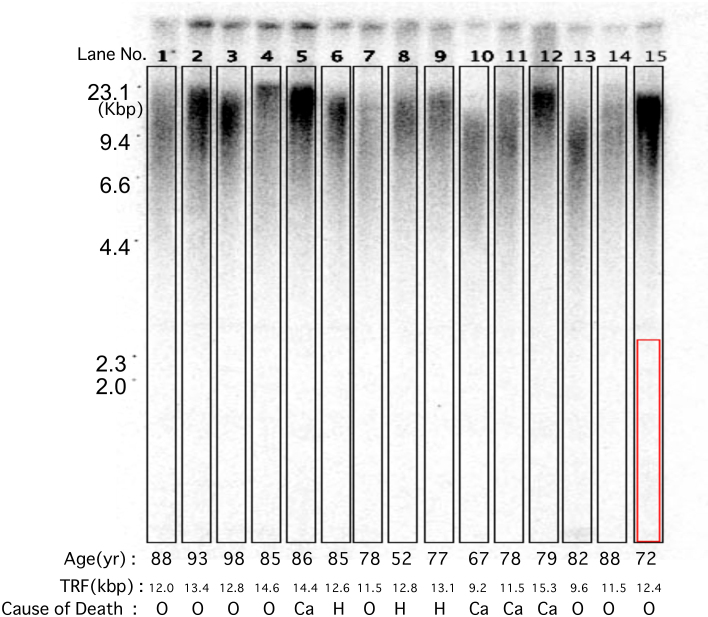
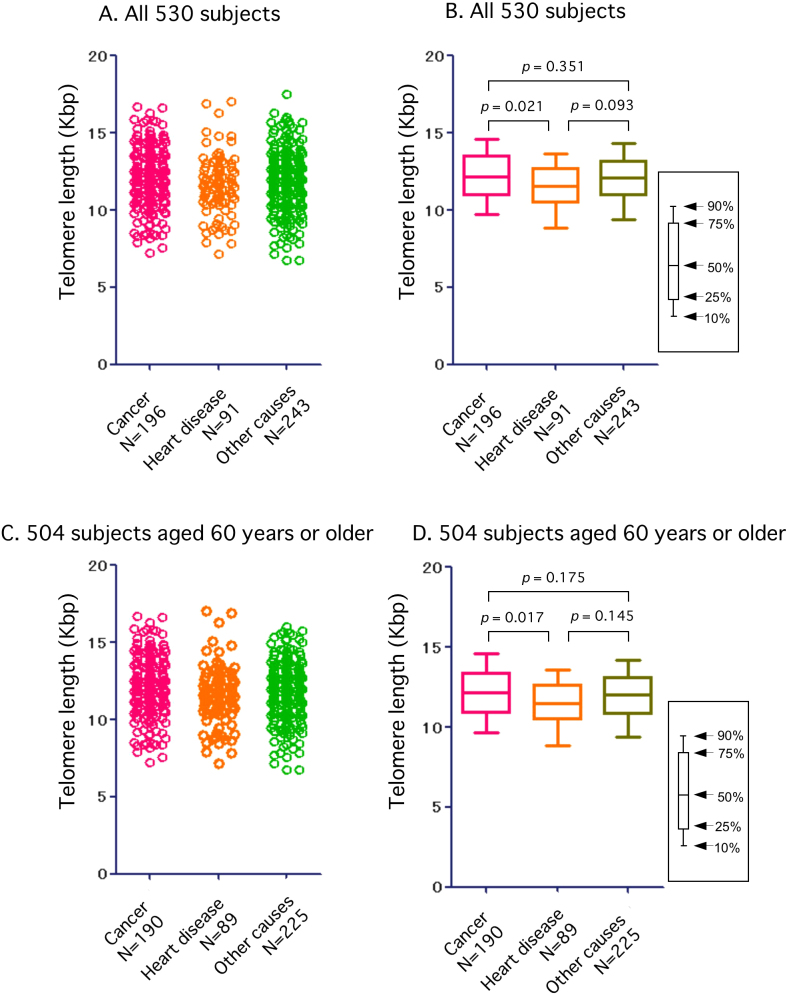
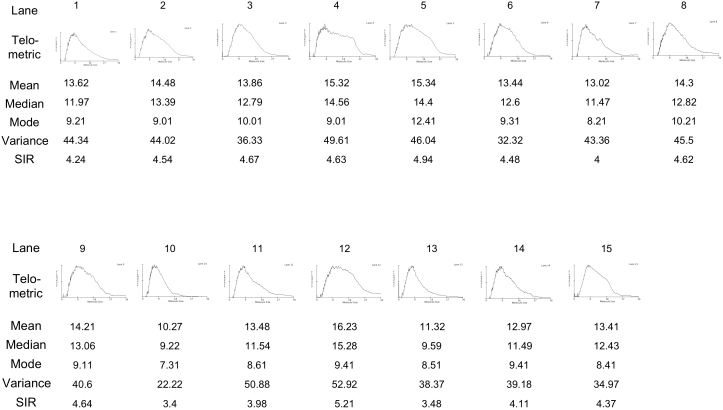
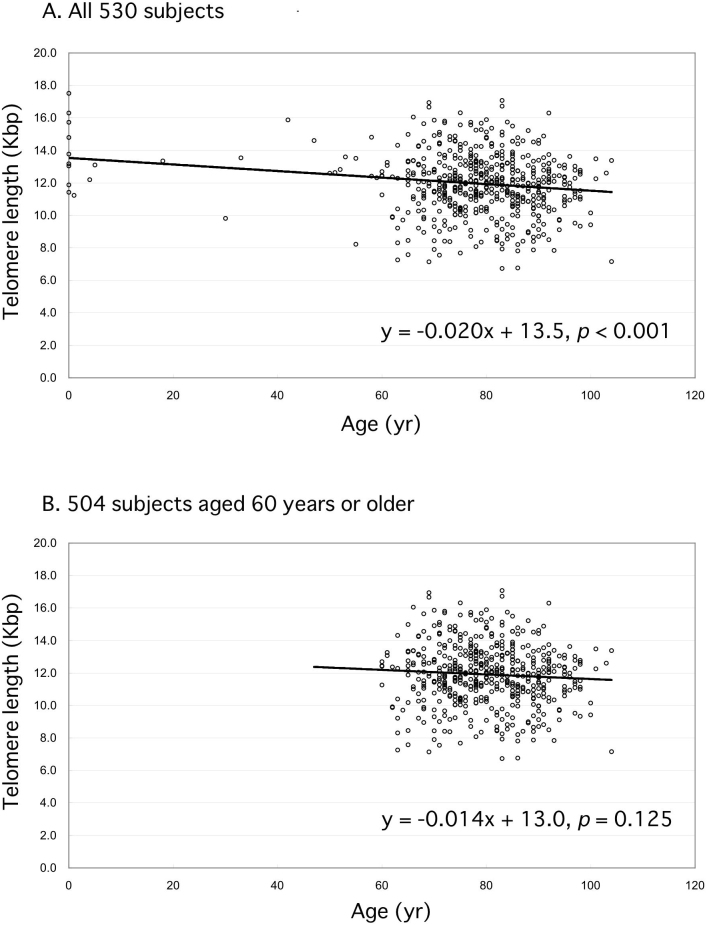
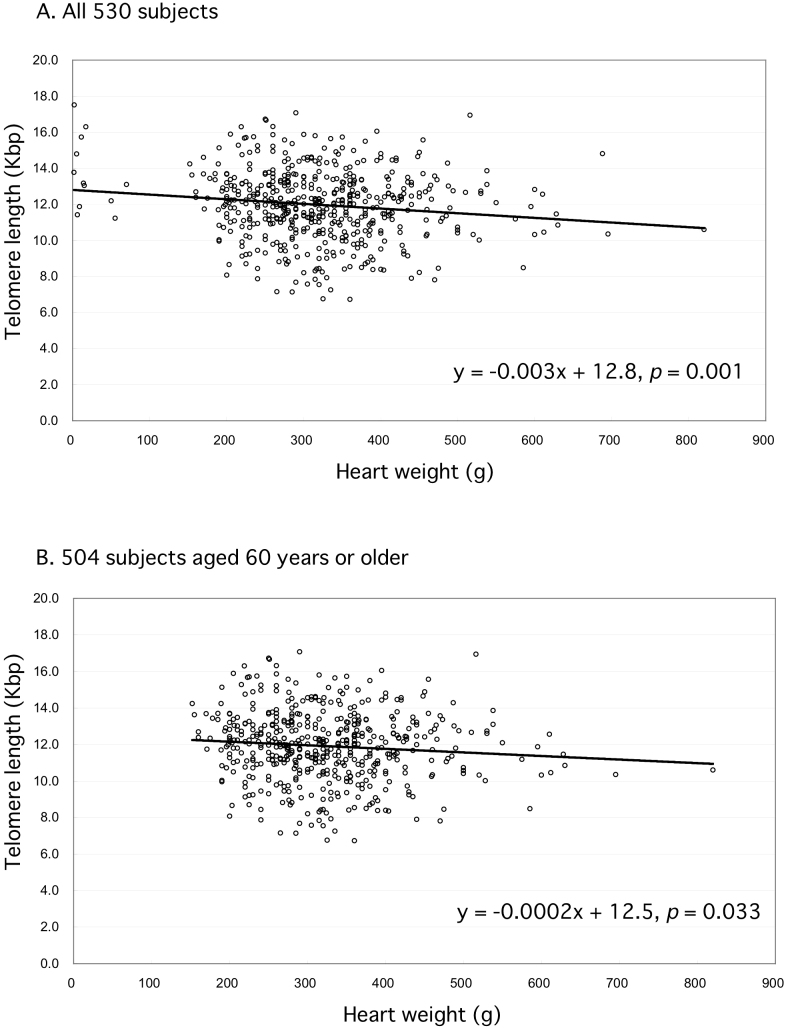
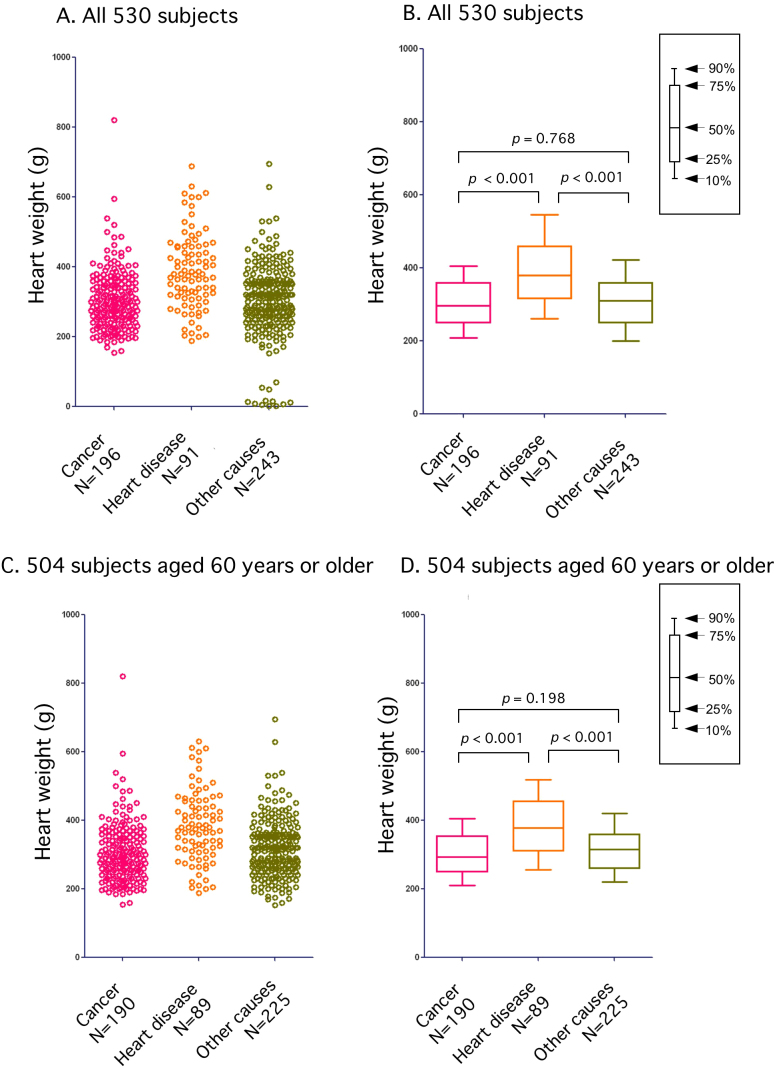
We attempted to clarify myocardial telomere dynamics using samples from 530 autopsied patients using Southern blot analysis. Overall regression analysis demonstrated yearly telomere reduction rate of 20 base pairs in the myocardium. There was a significant correlation between myocardial telomere and aging. Moreover, regression analyses of telomere and heart weight yielded a telomere reduction rate of 3 base pairs per gram, and a small but significant correlation between telomere reduction and heart weight was demonstrated. Hearts of autopsied patients who had died of heart disease were significantly heavier than those of patients who had died of cancer or other diseases, and heart disease was significantly more correlated with myocardial telomere shortening than cancer or other diseases. Here we show that telomeres in myocardial tissue become shortened with aging and heart disease, and that heart disease was associated with a gain of heart weight and telomere shortening in the myocardium.
我们试图使用 530 例尸检患者的样本通过 Southern blot 分析来阐明心肌端粒动力学。总体回归分析显示心肌中端粒每年减少 20 个碱基。心肌端粒与衰老之间存在显著相关性。此外,端粒与心脏重量的回归分析得出端粒每克减少 3 个碱基,并且端粒减少与心脏重量之间存在微小但显著的相关性。死于心脏病的尸检患者的心脏明显比死于癌症或其他疾病的患者的心脏更重,并且心脏病与心肌端粒缩短的相关性明显高于癌症或其他疾病。在这里,我们表明心肌组织中的端粒随着年龄的增长和心脏病而缩短,并且心脏病与心脏重量的增加和心肌中端粒的缩短有关。