Cell Biology Program, Memorial Sloan-Kettering Cancer Center, New York, New York 10065, USA.
Nat Cell Biol. 2013 Sep;15(9):1123-30. doi: 10.1038/ncb2818. Epub 2013 Aug 11.
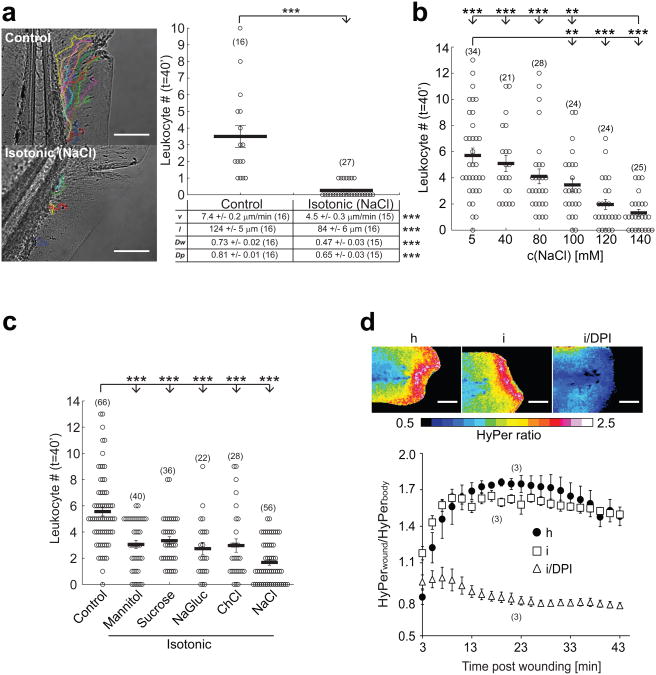
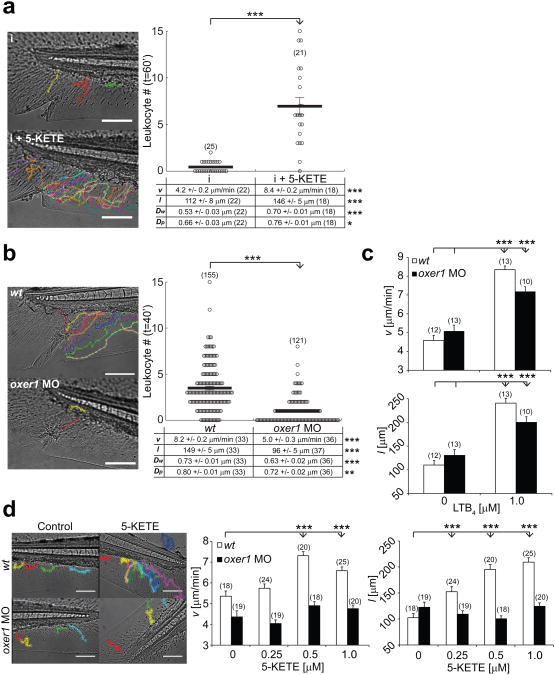
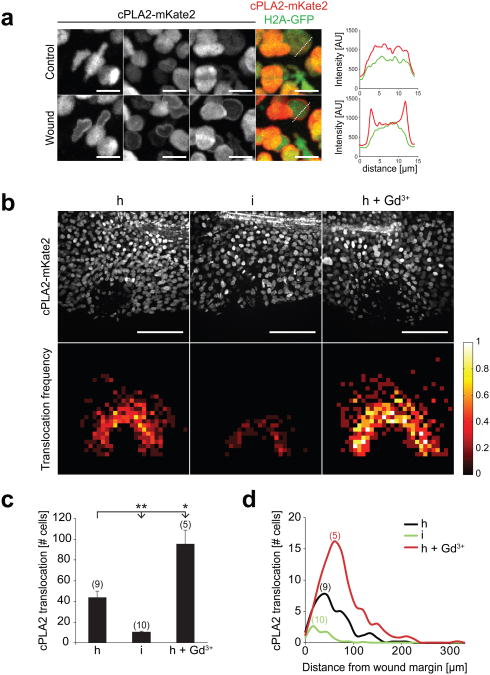
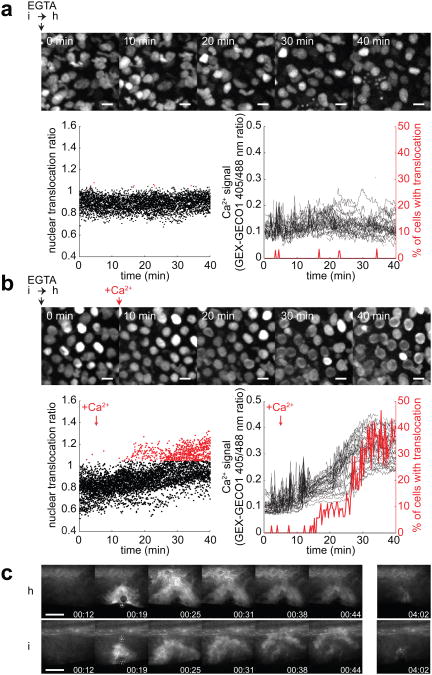
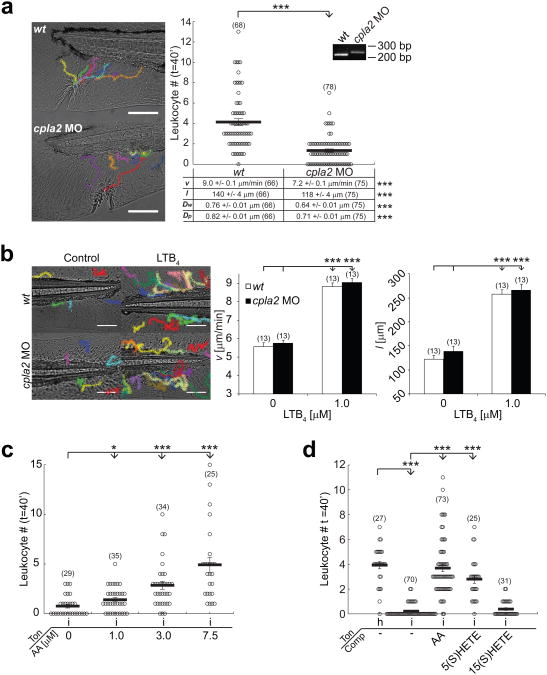
How tissue damage is detected to induce inflammatory responses is unclear. Most studies have focused on damage signals released by cell breakage and necrosis. Whether tissues use other cues in addition to cell lysis to detect that they are damaged is unknown. We find that osmolarity differences between interstitial fluid and the external environment mediate rapid leukocyte recruitment to sites of tissue damage in zebrafish by activating cytosolic phospholipase a2 (cPLA2) at injury sites. cPLA2 initiates the production of non-canonical arachidonate metabolites that mediate leukocyte chemotaxis through a 5-oxo-ETE receptor (OXE-R). Thus, tissues can detect damage through direct surveillance of barrier integrity, with cell swelling probably functioning as a pro-inflammatory intermediate in the process.
目前尚不清楚组织如何检测损伤以引发炎症反应。大多数研究都集中在细胞破裂和坏死释放的损伤信号上。目前尚不清楚组织除了细胞溶解之外是否还利用其他线索来检测自身损伤。我们发现,细胞外间质和外部环境之间的渗透压差异通过在损伤部位激活细胞质型 PLA2(cPLA2),介导斑马鱼组织损伤部位的白细胞快速募集。cPLA2 起始产生非经典花生四烯酸代谢物,通过 5-氧-ETE 受体(OXE-R)介导白细胞趋化。因此,组织可以通过直接监测屏障完整性来检测损伤,细胞肿胀可能是该过程中的促炎中间产物。