Gault William J, Enyedi Balázs, Niethammer Philipp
Cell Biology Program, Memorial Sloan Kettering Cancer Center, New York, NY 10065.
Cell Biology Program, Memorial Sloan Kettering Cancer Center, New York, NY 10065
J Cell Biol. 2014 Dec 22;207(6):767-82. doi: 10.1083/jcb.201408049.
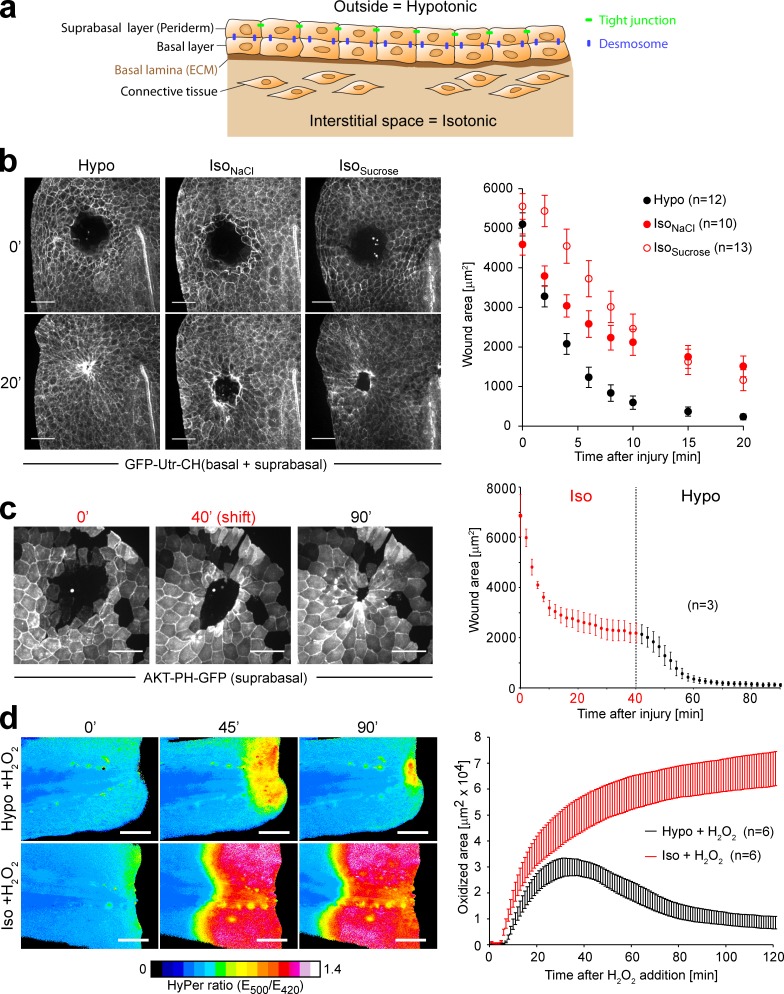
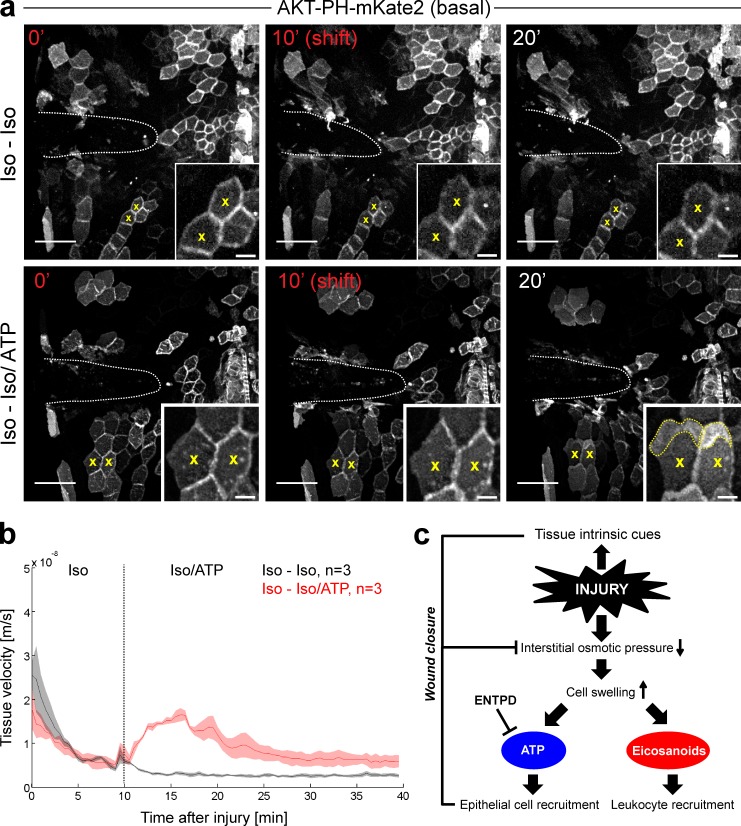
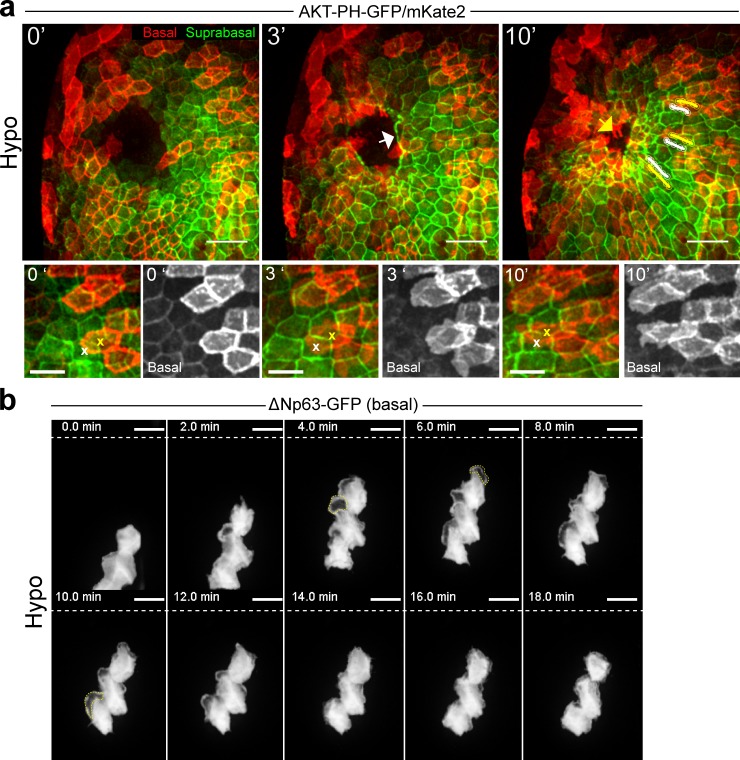
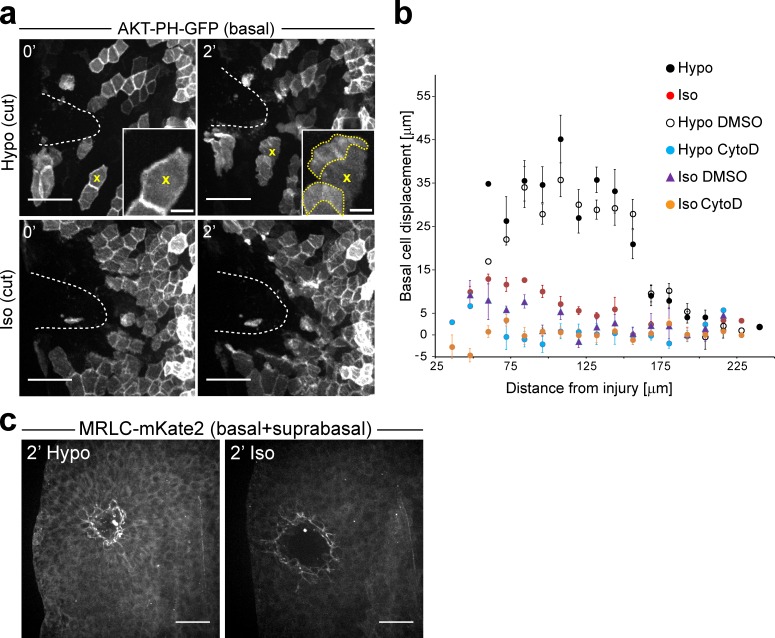
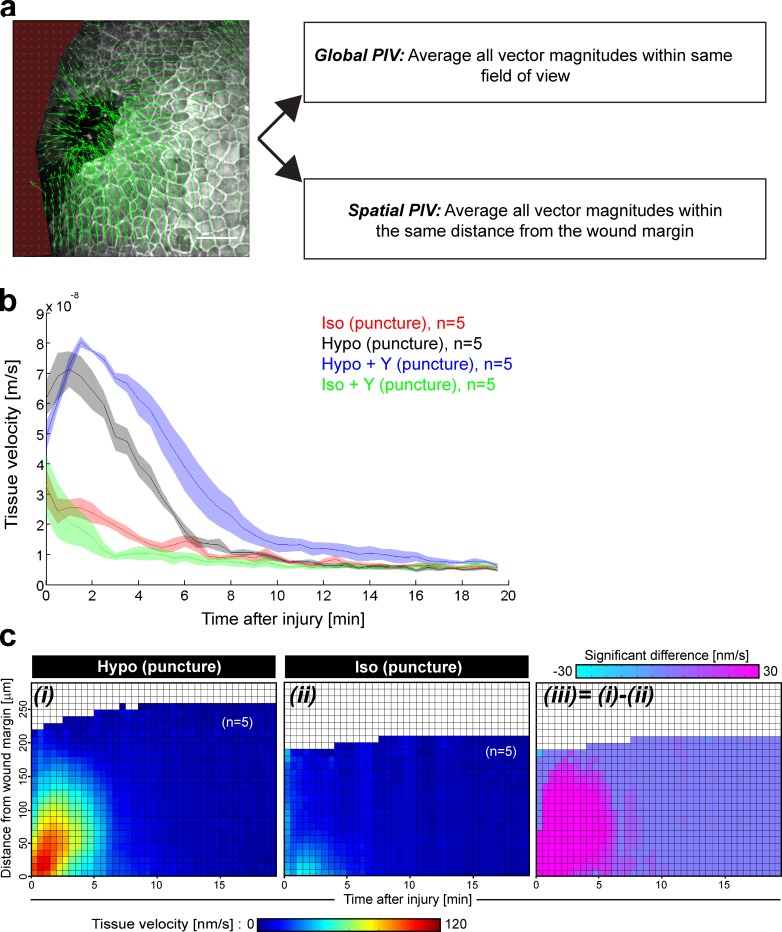
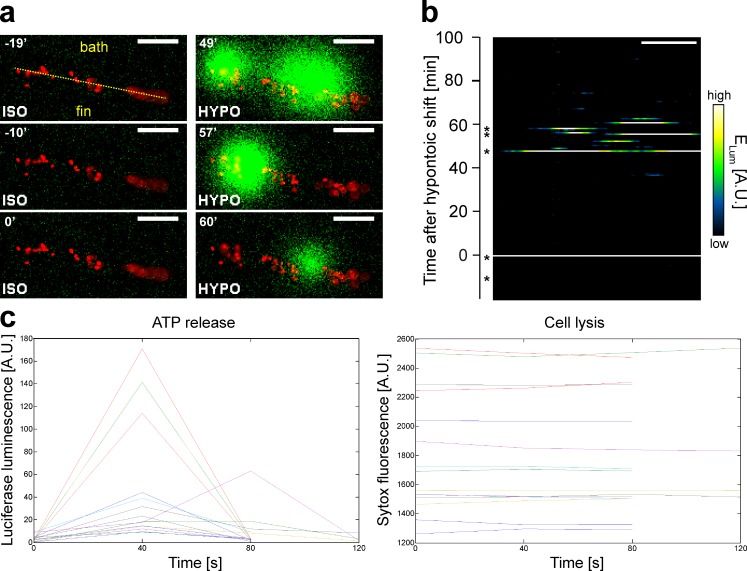
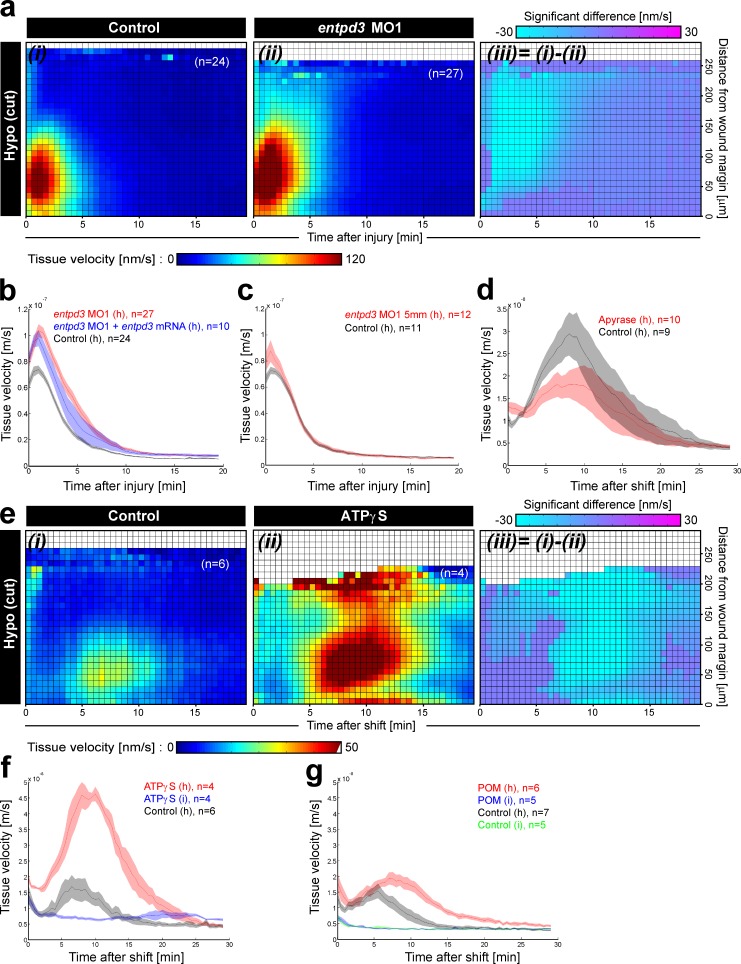
Osmotic cues from the environment mediate rapid detection of epithelial breaches by leukocytes in larval zebrafish tail fins. Using intravital luminescence and fluorescence microscopy, we now show that osmolarity differences between the interstitial fluid and the external environment trigger ATP release at tail fin wounds to initiate rapid wound closure through long-range activation of basal epithelial cell motility. Extracellular nucleotide breakdown, at least in part mediated by ecto-nucleoside triphosphate diphosphohydrolase 3 (Entpd3), restricts the range and duration of osmotically induced cell migration after injury. Thus, in zebrafish larvae, wound repair is driven by an autoregulatory circuit that generates pro-migratory tissue signals as a function of environmental exposure of the inside of the tissue.
来自环境的渗透信号介导了斑马鱼幼体尾鳍中白细胞对上皮损伤的快速检测。利用活体发光和荧光显微镜,我们现在表明,间质液与外部环境之间的渗透压差异会触发尾鳍伤口处的ATP释放,通过基础上皮细胞运动的远程激活来启动快速伤口闭合。细胞外核苷酸的分解,至少部分由胞外核苷三磷酸二磷酸水解酶3(Entpd3)介导,限制了损伤后渗透诱导的细胞迁移的范围和持续时间。因此,在斑马鱼幼体中,伤口修复由一个自动调节回路驱动,该回路根据组织内部与环境的接触情况产生促迁移组织信号。