Department of Medical Biochemistry and Microbiology, Uppsala University, Uppsala, Sweden.
PLoS One. 2013 Jul 25;8(7):e70147. doi: 10.1371/journal.pone.0070147. Print 2013.
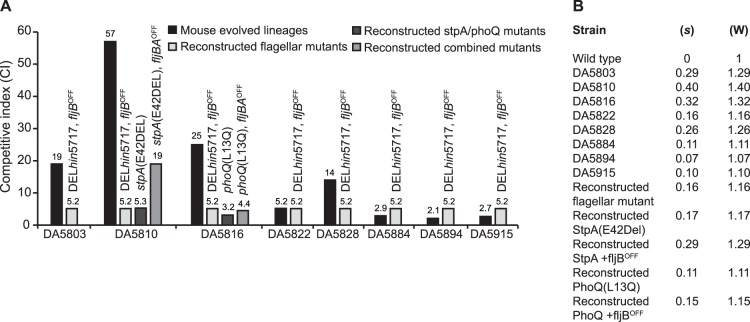
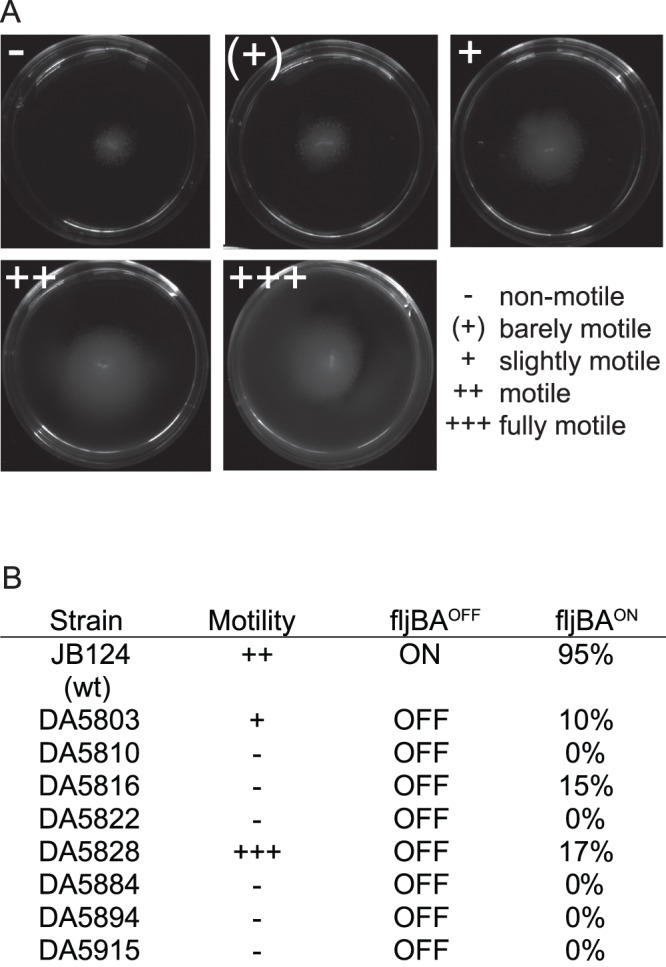
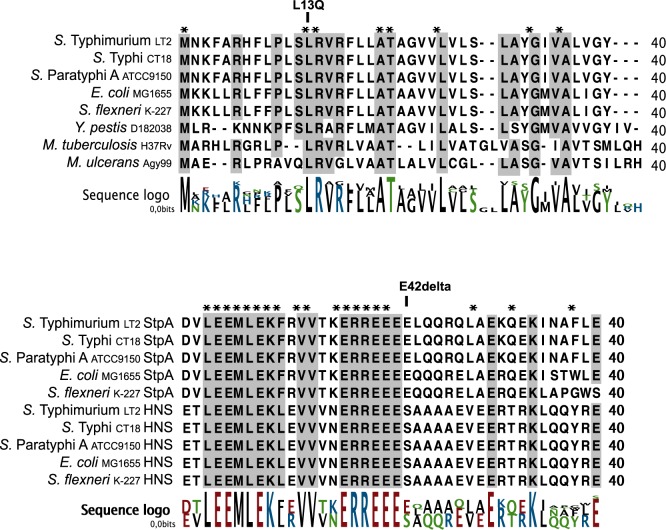
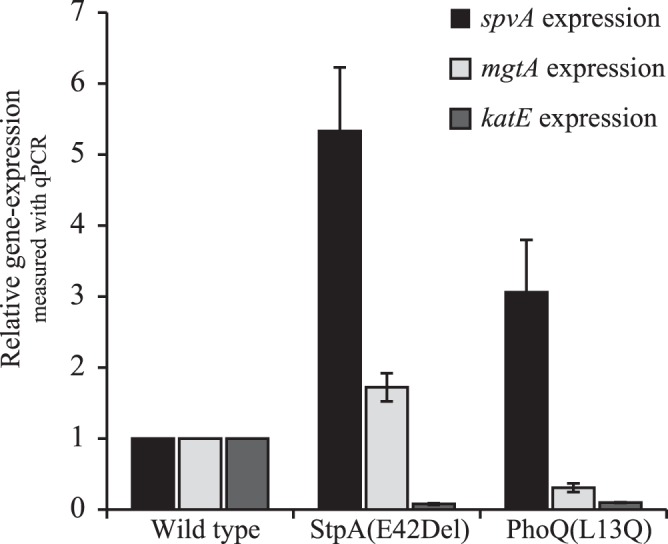
How pathogenic bacteria adapt and evolve in the complex and variable environment of the host remains a largely unresolved question. Here we have used whole genome sequencing of Salmonella enterica serovar Typhimurium LT2 populations serially passaged in mice to identify mutations that adapt bacteria to systemic growth in mice. We found unique pathoadaptive mutations in two global regulators, phoQ and stpA, which increase the competitive indexes of the bacteria 3- to 5-fold. Also, all mouse-adapted lineages had changed the orientation of the hin invertable element, resulting in production of a FliC type of flagellum. Competition experiments in mice with locked flagellum mutants showed that strains expressing the FliC type of flagellum had a 5-fold increase in competitive index as compared to those expressing FljB type flagellum. Combination of the flagellum cassette inversion with the stpA mutation increased competitive indexes up to 20-fold. These experiments show that Salmonella can rapidly adapt to a mouse environment by acquiring a few mutations of moderate individual effect that when combined confer substantial increases in growth.
在宿主复杂多变的环境中,致病菌如何适应和进化仍然是一个尚未解决的大问题。在这里,我们使用全基因组测序技术对鼠伤寒沙门氏菌 LT2 菌在小鼠体内连续传代的种群进行测序,以鉴定出适应细菌在小鼠体内系统生长的突变。我们在两个全局调控因子 phoQ 和 stpA 中发现了独特的病理适应突变,这些突变使细菌的竞争指数增加了 3 到 5 倍。此外,所有适应小鼠的谱系都改变了 hin 可反转元件的方向,导致产生了一种 FliC 型鞭毛。在小鼠中进行的带有锁定鞭毛突变体的竞争实验表明,与表达 FljB 型鞭毛的菌株相比,表达 FliC 型鞭毛的菌株的竞争指数增加了 5 倍。鞭毛盒反转与 stpA 突变的组合使竞争指数增加了 20 倍。这些实验表明,沙门氏菌可以通过获得少数具有适度个体效应的突变来快速适应小鼠环境,当这些突变组合在一起时,会显著增加生长。