Department of Pharmacology and Toxicology, Radboud University Nijmegen Medical Centre, Nijmegen, The Netherlands.
PLoS One. 2013 Aug 2;8(8):e71199. doi: 10.1371/journal.pone.0071199. Print 2013.
Chronic kidney disease (CKD) is characterized by the progressive accumulation of various potential toxic solutes. Furthermore, uremic plasma is a complex mixture hampering accurate determination of uremic toxin levels and the identification of novel uremic solutes.
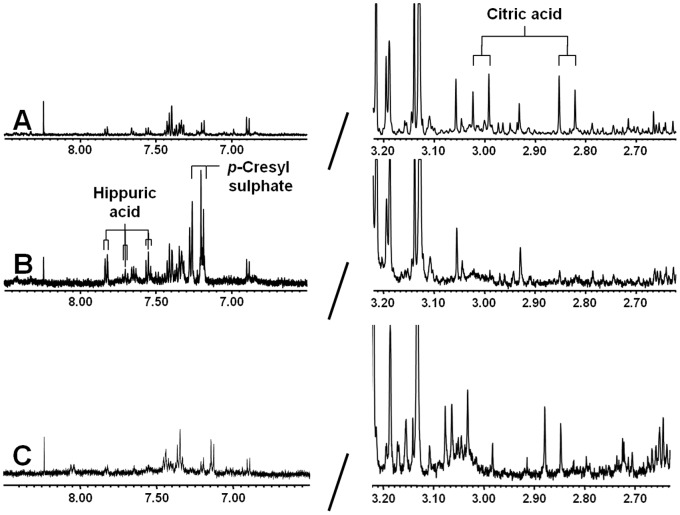
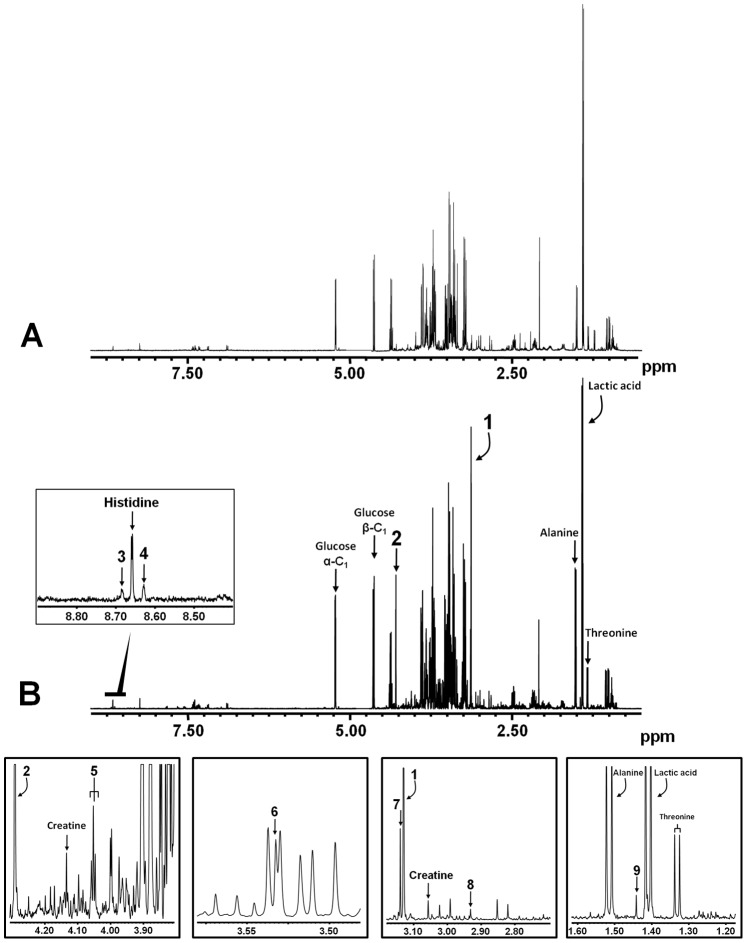
In this study, we applied (1)H-nuclear magnetic resonance (NMR) spectroscopy, following three distinct deproteinization strategies, to determine differences in the plasma metabolic status of stage 3-4 CKD patients and healthy controls. Moreover, the human renal proximal tubule cell line (ciPTEC) was used to study the influence of newly indentified uremic solutes on renal phenotype and functionality.
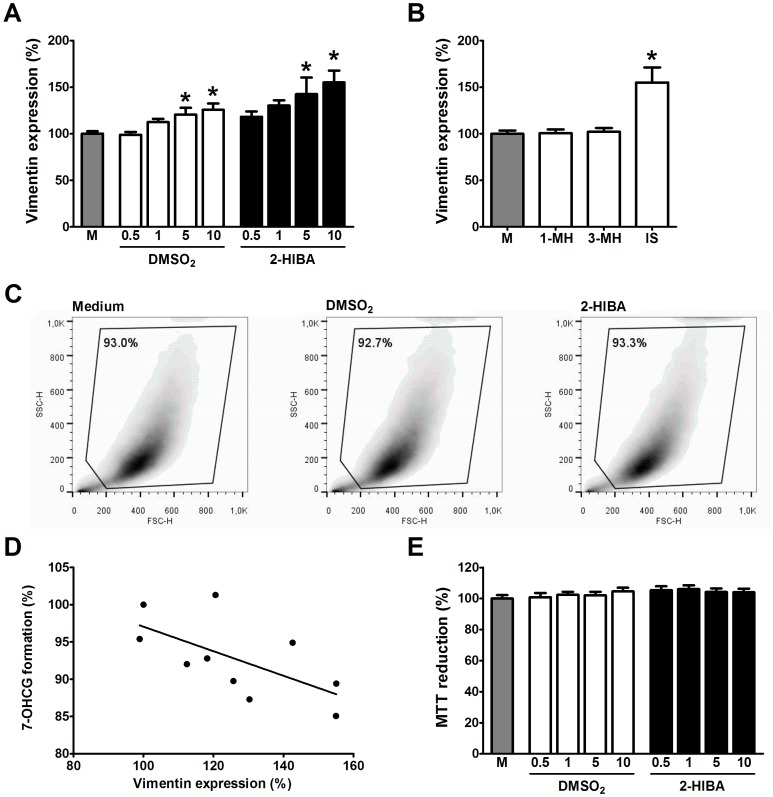
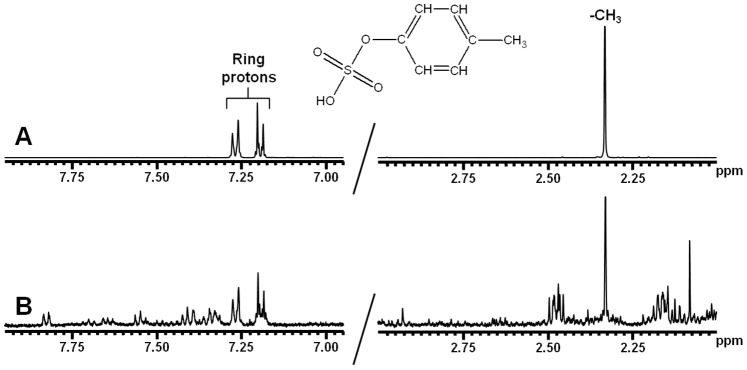
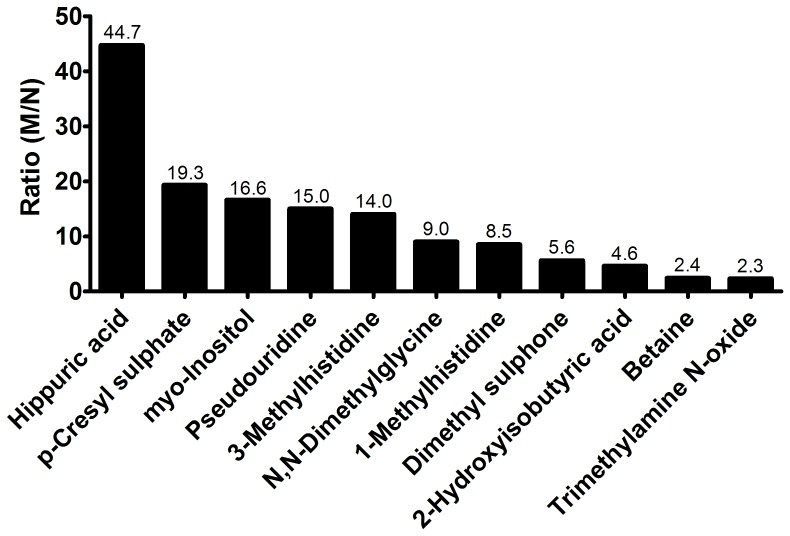
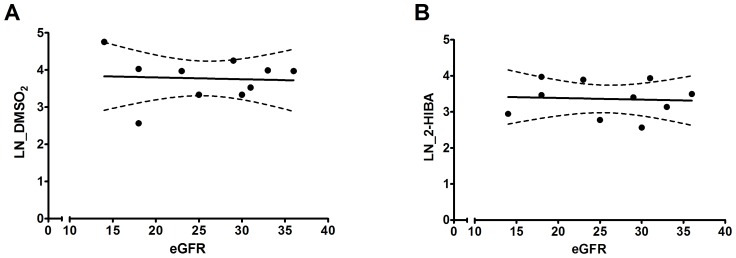
Protein removal via ultrafiltration and acetonitrile precipitation are complementary techniques and both are required to obtain a clear metabolome profile. This new approach, revealed that a total of 14 metabolites were elevated in uremic plasma. In addition to confirming the retention of several previously identified uremic toxins, including p-cresyl sulphate, two novel uremic retentions solutes were detected, namely dimethyl sulphone (DMSO2) and 2-hydroxyisobutyric acid (2-HIBA). Our results show that these metabolites accumulate in non-dialysis CKD patients from 9±7 µM (control) to 51±29 µM and from 7 (0-9) µM (control) to 32±15 µM, respectively. Furthermore, exposure of ciPTEC to clinically relevant concentrations of both solutes resulted in an increased protein expression of the mesenchymal marker vimentin with more than 10% (p<0.05). Moreover, the loss of epithelial characteristics significantly correlated with a loss of glucuronidation activity (Pearson r = -0.63; p<0.05). In addition, both solutes did not affect cell viability nor mitochondrial activity.
This study demonstrates the importance of sample preparation techniques in the identification of uremic retention solutes using (1)H-NMR spectroscopy, and provide insight into the negative impact of DMSO2 and 2-HIBA on ciPTEC, which could aid in understanding the progressive nature of renal disease.
慢性肾脏病(CKD)的特征是各种潜在毒性溶质的渐进性积累。此外,尿毒症血浆是一种复杂的混合物,这阻碍了尿毒症毒素水平的准确测定和新尿毒症溶质的鉴定。
在这项研究中,我们应用了(1)H 核磁共振(NMR)光谱,采用了三种不同的脱蛋白策略,以确定 3-4 期 CKD 患者和健康对照者之间的血浆代谢状态差异。此外,我们还使用人肾近端小管细胞系(ciPTEC)研究了新鉴定的尿毒症溶质对肾表型和功能的影响。
通过超滤和乙腈沉淀去除蛋白质是互补的技术,两者都需要获得清晰的代谢组图谱。这种新方法显示,尿毒症血浆中有 14 种代谢物升高。除了证实保留了几种先前鉴定的尿毒症毒素,包括对甲酚硫酸盐外,还检测到两种新的尿毒症保留溶质,即二甲亚砜(DMSO2)和 2-羟基异丁酸(2-HIBA)。我们的结果表明,这些代谢物在非透析 CKD 患者中积累,从 9±7 μM(对照)增加到 51±29 μM,从 7(0-9)μM(对照)增加到 32±15 μM。此外,ciPTEC 暴露于两种溶质的临床相关浓度会导致间充质标志物波形蛋白的蛋白表达增加超过 10%(p<0.05)。此外,上皮特征的丧失与葡萄糖醛酸化活性的显著丧失显著相关(Pearson r = -0.63;p<0.05)。此外,这两种溶质均不影响细胞活力或线粒体活性。
本研究表明,在使用(1)H-NMR 光谱鉴定尿毒症保留溶质时,样品制备技术的重要性,并深入了解 DMSO2 和 2-HIBA 对 ciPTEC 的负面影响,这有助于理解肾脏疾病的进行性本质。