Tsoukalas Dimitris, Fragoulakis Vassileios, Papakonstantinou Evangelos, Antonaki Maria, Vozikis Athanassios, Tsatsakis Aristidis, Buga Ana Maria, Mitroi Mihaela, Calina Daniela
Department of Clinical Pharmacy, University of Medicine and Pharmacy of Craiova, 200349 Craiova, Romania.
Metabolomic Medicine, Health Clinic for Autoimmune and Chronic Diseases, 10674 Athens, Greece.
Metabolites. 2020 Dec 8;10(12):502. doi: 10.3390/metabo10120502.
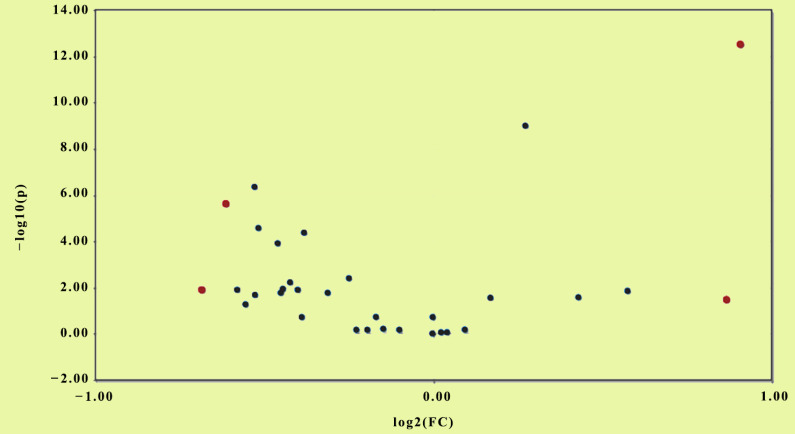
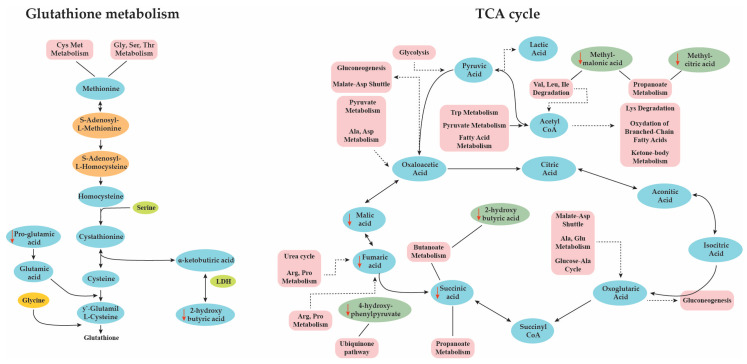
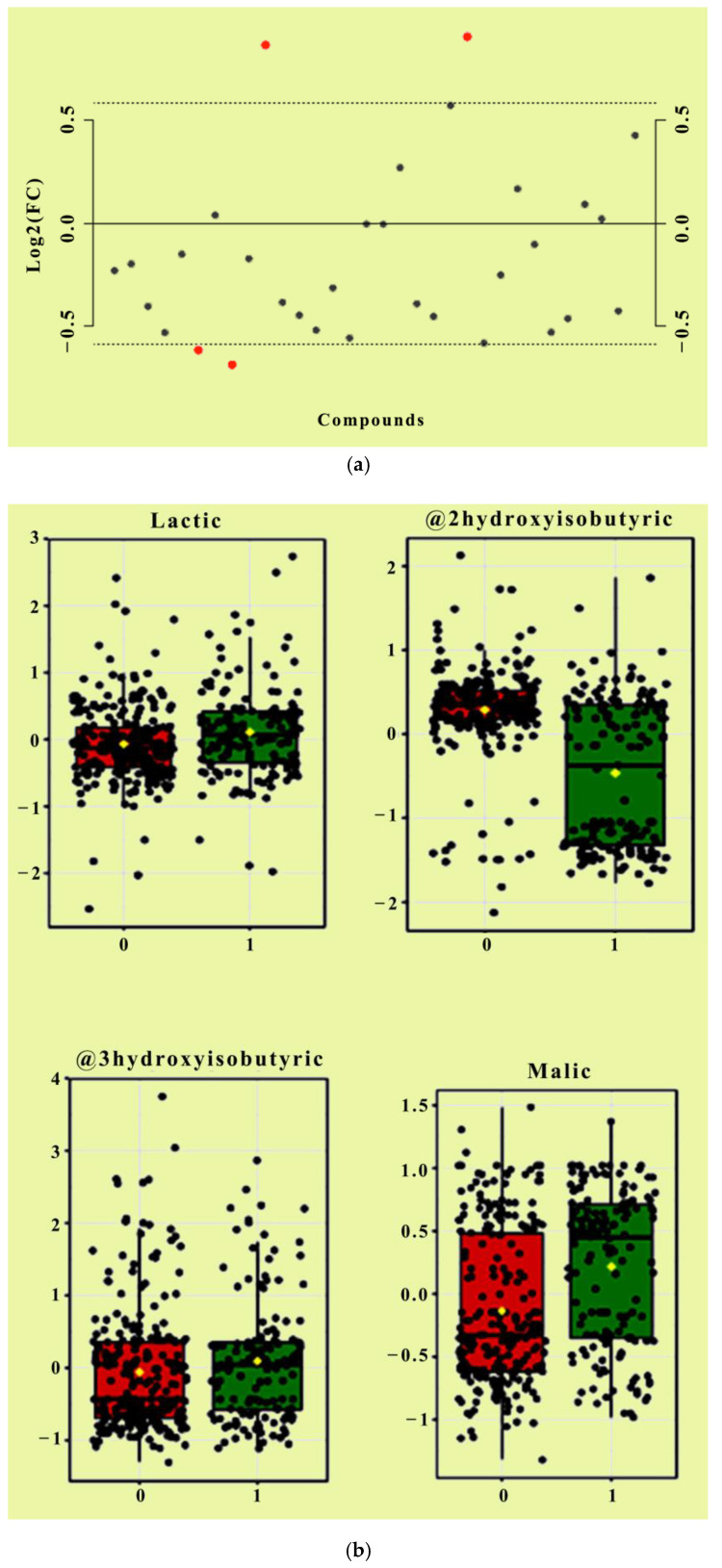
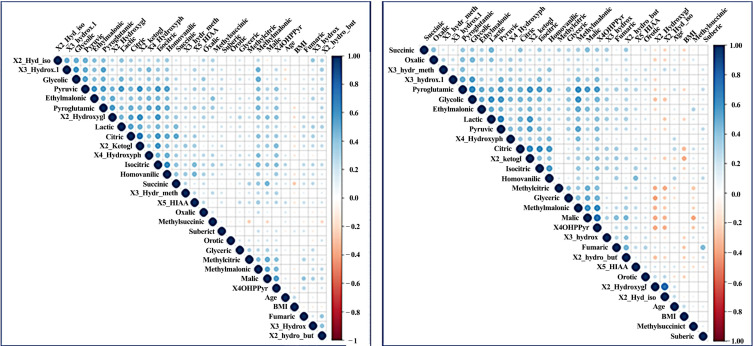
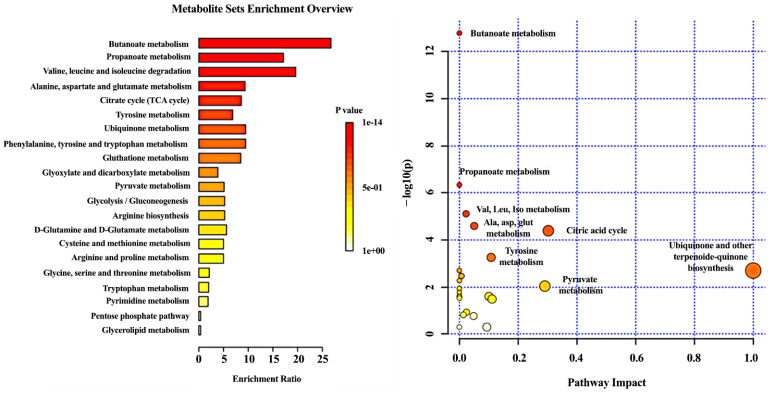
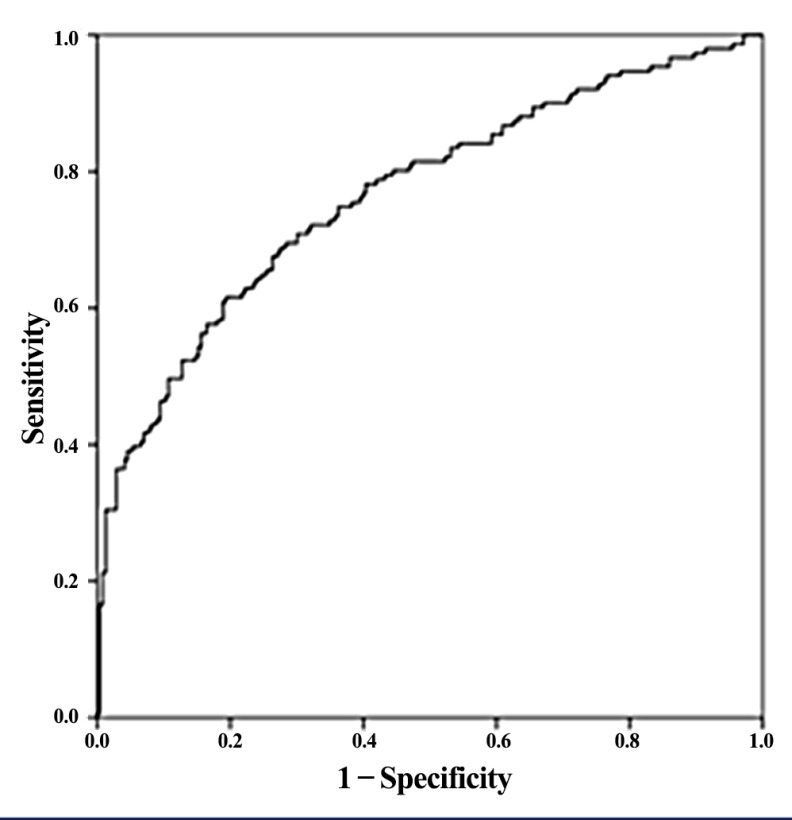
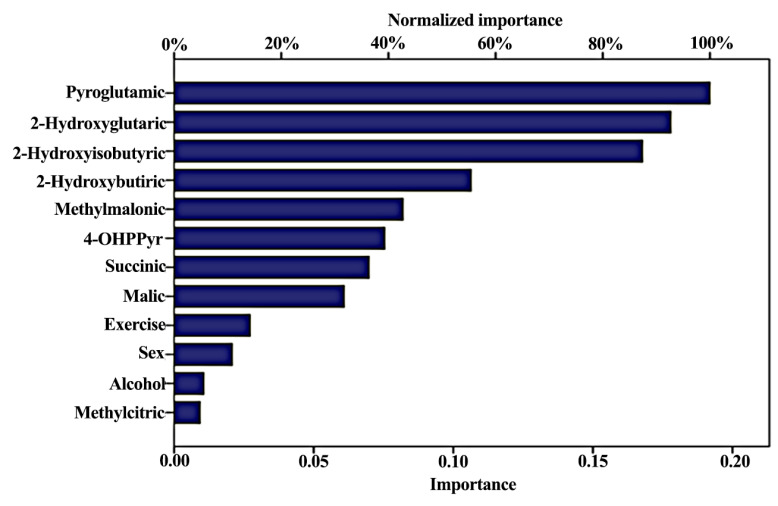
Autoimmune diseases (ADs) are chronic disorders characterized by the loss of self-tolerance, and although being heterogeneous, they share common pathogenic mechanisms. Self-antigens and inflammation markers are established diagnostic tools; however, the metabolic imbalances that underlie ADs are poorly described. The study aimed to employ metabolomics for the detection of disease-related changes in autoimmune diseases that could have predictive value. Quantitative analysis of 28 urine organic acids was performed using Gas Chromatography-Mass Spectrometry in a group of 392 participants. Autoimmune thyroiditis, inflammatory bowel disease, psoriasis and rheumatoid arthritis were the most prevalent autoimmune diseases of the study. Statistically significant differences were observed in the tricarboxylate cycle metabolites, succinate, methylcitrate and malate, the pyroglutamate and 2-hydroxybutyrate from the glutathione cycle and the metabolites methylmalonate, 4-hydroxyphenylpyruvate, 2-hydroxyglutarate and 2-hydroxyisobutyrate between the AD group and the control. Artificial neural networks and Binary logistic regression resulted in the highest predictive accuracy scores (66.7% and 74.9%, respectively), while Methylmalonate, 2-Hydroxyglutarate and 2-hydroxybutyrate were proposed as potential biomarkers for autoimmune diseases. Urine organic acid levels related to the mechanisms of energy production and detoxification were associated with the presence of autoimmune diseases and could be an adjunct tool for early diagnosis and prediction.
自身免疫性疾病(ADs)是一类以自身耐受性丧失为特征的慢性疾病,尽管它们具有异质性,但有着共同的致病机制。自身抗原和炎症标志物是既定的诊断工具;然而,对ADs潜在的代谢失衡却鲜有描述。本研究旨在利用代谢组学检测自身免疫性疾病中与疾病相关的变化,这些变化可能具有预测价值。在392名参与者中,使用气相色谱 - 质谱法对28种尿液有机酸进行了定量分析。自身免疫性甲状腺炎、炎症性肠病、银屑病和类风湿关节炎是该研究中最常见的自身免疫性疾病。在三羧酸循环代谢物琥珀酸、甲基柠檬酸和苹果酸、谷胱甘肽循环中的焦谷氨酸和2 - 羟基丁酸以及甲基丙二酸、4 - 羟基苯丙酮酸、2 - 羟基戊二酸和2 - 羟基异丁酸等代谢物方面,AD组与对照组之间观察到了具有统计学意义的差异。人工神经网络和二元逻辑回归得出了最高的预测准确率分数(分别为66.7%和74.9%),同时甲基丙二酸、2 - 羟基戊二酸和2 - 羟基丁酸被提议作为自身免疫性疾病的潜在生物标志物。与能量产生和解毒机制相关的尿液有机酸水平与自身免疫性疾病的存在有关,可能是早期诊断和预测的辅助工具。