Department of Animal Biotechnology, Konkuk University, Gwangjin-gu, Seoul 143-701, Republic of Korea.
Biomed Res Int. 2013;2013:535796. doi: 10.1155/2013/535796. Epub 2013 Jul 8.
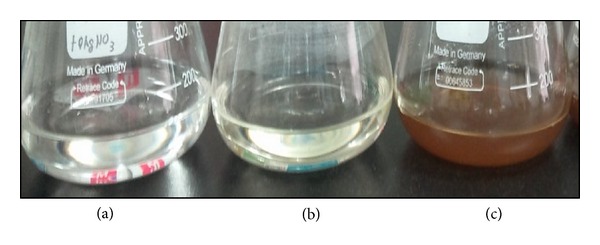
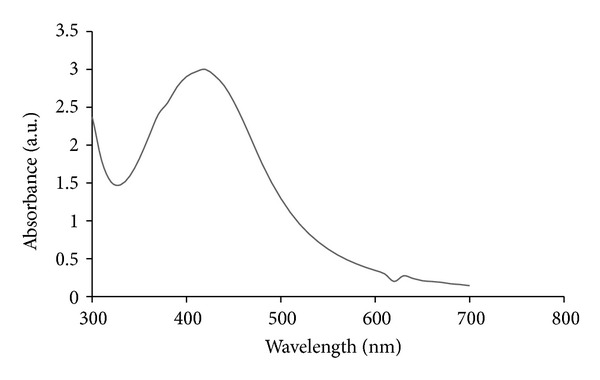
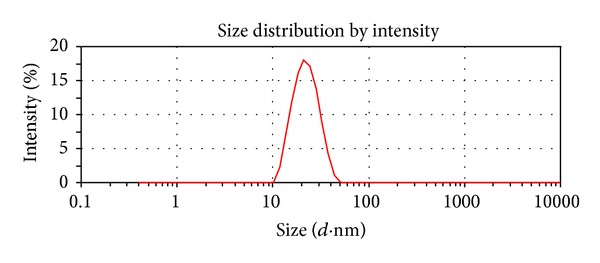
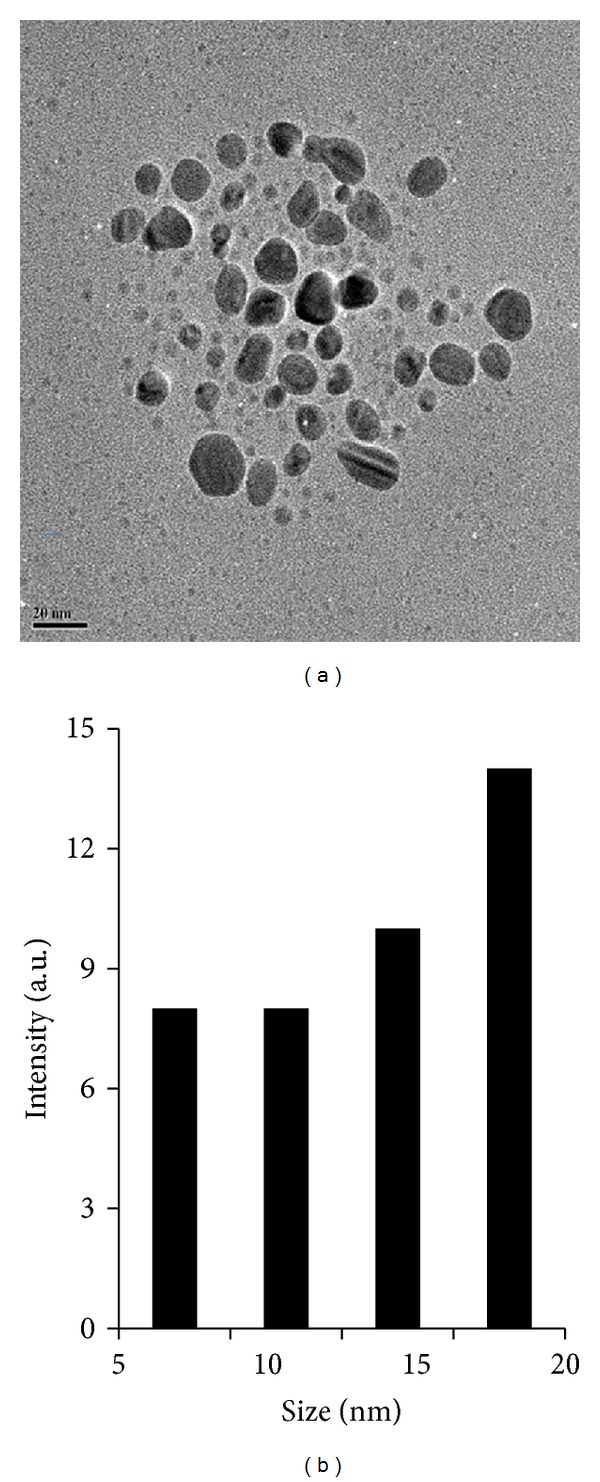
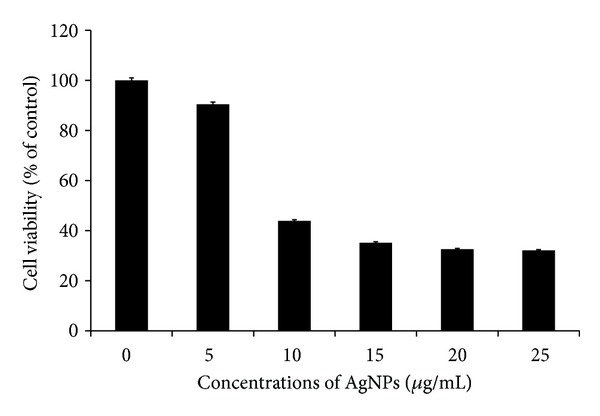
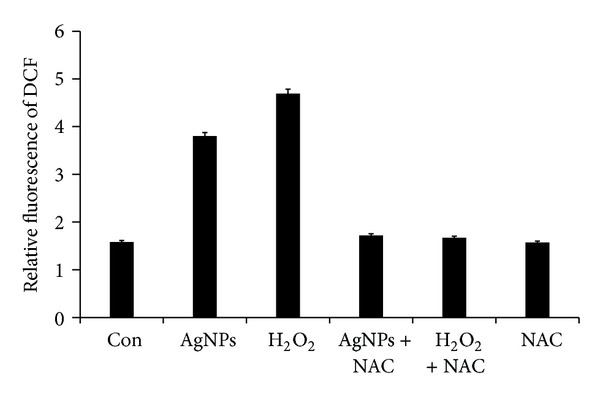
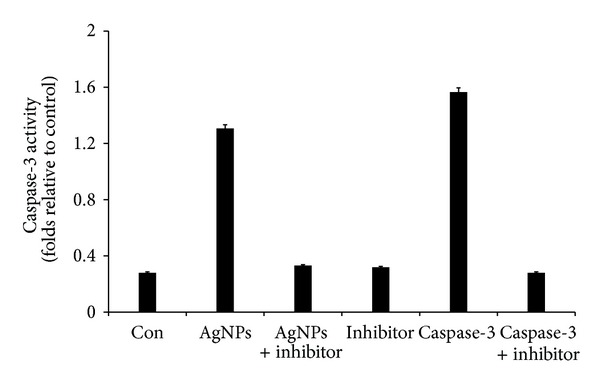
Silver nanoparticles (AgNPs) have been used as an antimicrobial and disinfectant agents. However, there is limited information about antitumor potential. Therefore, this study focused on determining cytotoxic effects of AgNPs on MDA-MB-231 breast cancer cells and its mechanism of cell death. Herein, we developed a green method for synthesis of AgNPs using culture supernatant of Bacillus funiculus, and synthesized AgNPs were characterized by various analytical techniques such as UV-visible spectrophotometer, particle size analyzer, and transmission electron microscopy (TEM). The toxicity was evaluated using cell viability, metabolic activity, and oxidative stress. MDA-MB-231 breast cancer cells were treated with various concentrations of AgNPs (5 to 25 μg/mL) for 24 h. We found that AgNPs inhibited the growth in a dose-dependent manner using MTT assay. AgNPs showed dose-dependent cytotoxicity against MDA-MB-231 cells through activation of the lactate dehydrogenase (LDH), caspase-3, reactive oxygen species (ROS) generation, eventually leading to induction of apoptosis which was further confirmed through resulting nuclear fragmentation. The present results showed that AgNPs might be a potential alternative agent for human breast cancer therapy.
银纳米粒子(AgNPs)已被用作抗菌和消毒剂。然而,关于其抗肿瘤潜力的信息有限。因此,本研究专注于确定 AgNPs 对 MDA-MB-231 乳腺癌细胞的细胞毒性作用及其细胞死亡机制。在此,我们使用纤维芽孢杆菌的培养上清液开发了一种绿色方法来合成 AgNPs,并通过各种分析技术(如紫外可见分光光度计、粒度分析仪和透射电子显微镜(TEM))对 AgNPs 进行了表征。通过细胞活力、代谢活性和氧化应激来评估毒性。将 MDA-MB-231 乳腺癌细胞用不同浓度的 AgNPs(5 至 25μg/mL)处理 24 小时。我们发现 AgNPs 通过 MTT 测定以剂量依赖性方式抑制生长。AgNPs 通过激活乳酸脱氢酶(LDH)、caspase-3、活性氧(ROS)生成,从而导致细胞凋亡,最终对 MDA-MB-231 细胞表现出剂量依赖性细胞毒性,这通过核片段化的进一步证实。目前的结果表明,AgNPs 可能是人类乳腺癌治疗的一种潜在替代药物。