Department of Neurology, Psychiatry, and Genetics and Genomic Sciences, Icahn School of Medicine at Mount Sinai, One Gustave L. Levy Place, NY, USA.
J Parkinsons Dis. 2013;3(2):85-103. doi: 10.3233/JPD-130192.
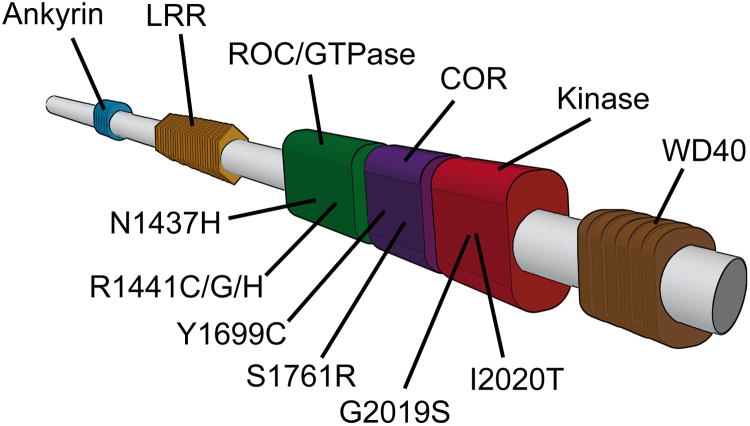
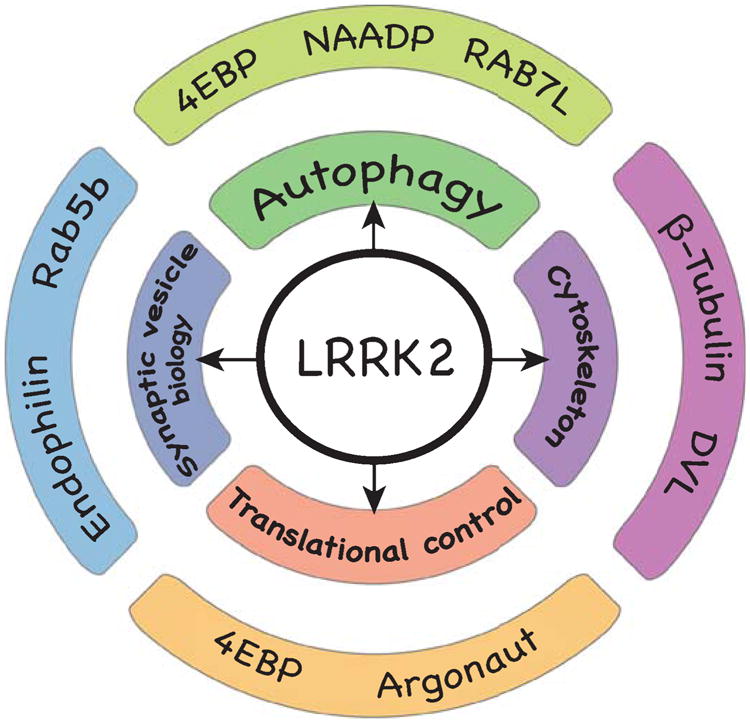
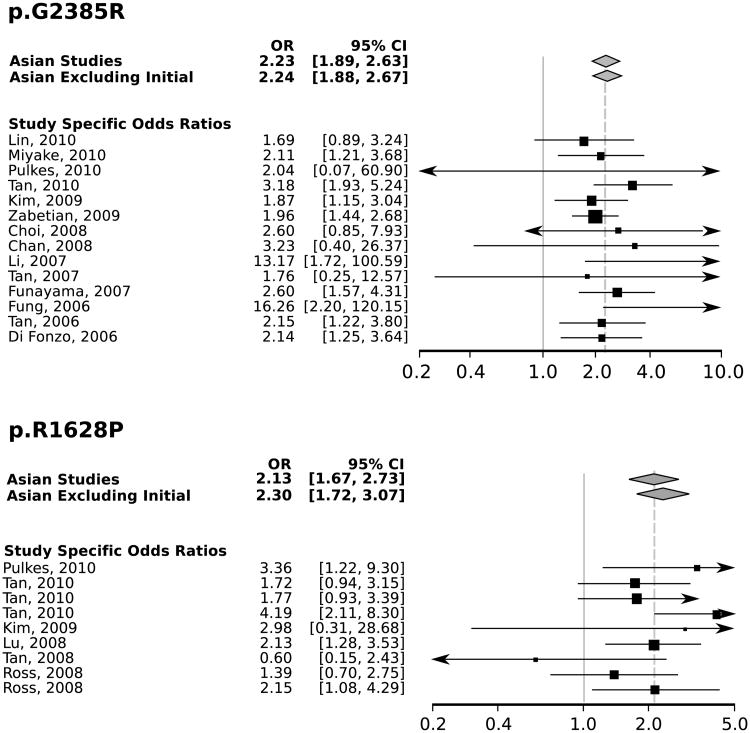
In 2004 it was first shown that mutations in LRRK2 can cause Parkinson's disease. This initial discovery was quickly followed by the observation that a single particular mutation is a relatively common cause of Parkinson's disease across varied populations. Further genetic investigation has revealed a variety of genetic ties to Parkinson's disease across this gene. These include common alleles with quite broad effects on risk, likely through both alterations at the protein sequence level, and in the context of expression. A great deal of functional characterization of LRRK2 and disease-causing mutations in this protein has occurred over the last 9 years, and considerable progress has been made. Particular attention has been paid to the kinase activity of LRRK2 as a therapeutic target, and while it is no means certain that this is viable target it is likely that this hypothesis will be tested in clinical trials sooner rather than later. We believe that the future goals for LRRK2 research are, while challenging, relatively clear and that the next 10 years of research promises to be perhaps more exciting than the last.
2004 年,首次发现 LRRK2 基因突变可导致帕金森病。这一初步发现很快被观察到,即单一特定突变是各种人群中帕金森病的相对常见病因。进一步的遗传研究揭示了该基因与帕金森病的多种遗传联系。这些包括对风险有相当广泛影响的常见等位基因,可能通过蛋白质序列水平的改变,以及在表达的情况下。在过去的 9 年中,对 LRRK2 及其蛋白中致病突变进行了大量功能特征描述,取得了相当大的进展。特别关注 LRRK2 的激酶活性作为治疗靶点,虽然这不是可行的目标,但这一假设很可能会在临床试验中得到检验,而且时间不会太久。我们相信,LRRK2 研究的未来目标虽然具有挑战性,但相对明确,未来 10 年的研究有望比过去更加令人兴奋。