Department of Pharmacological and Biomolecular Sciences, Università degli Studi di Milano, Via Balzaretti, Milano, Italy.
PLoS One. 2013 Aug 5;8(8):e71762. doi: 10.1371/journal.pone.0071762. Print 2013.
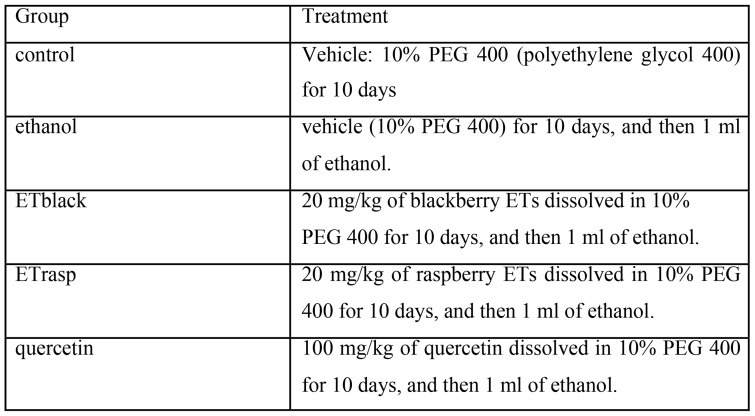
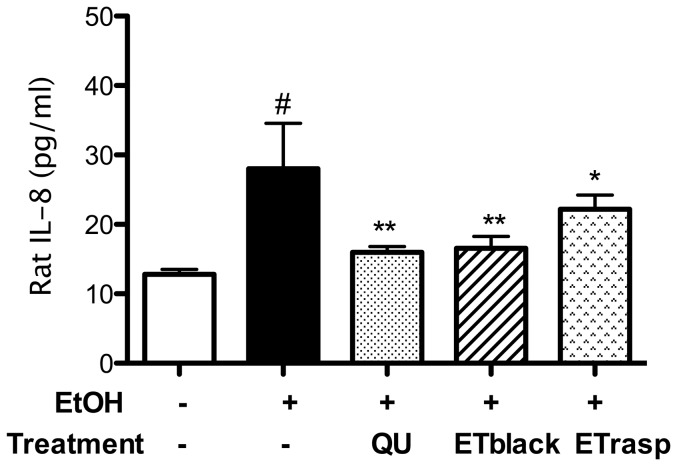
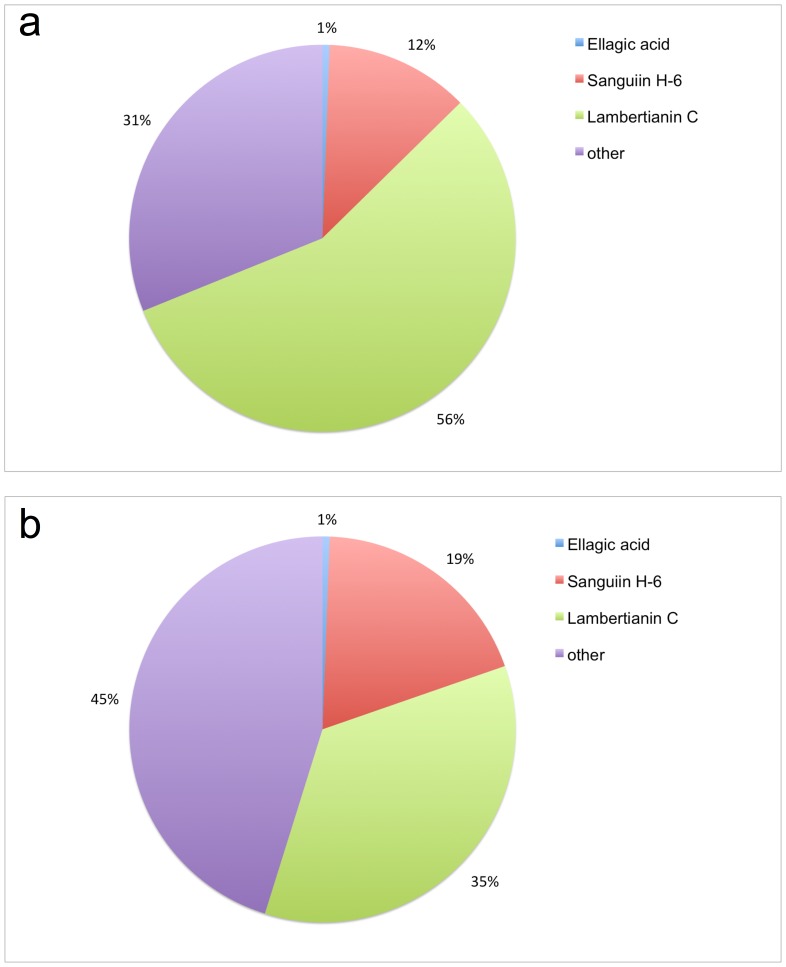
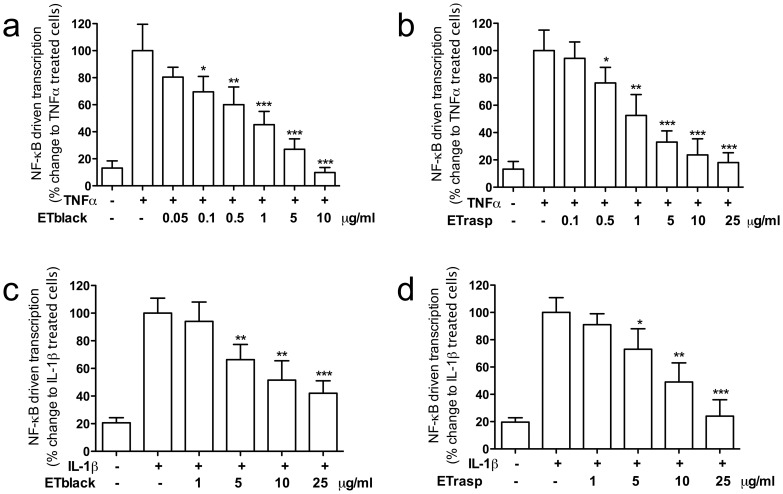
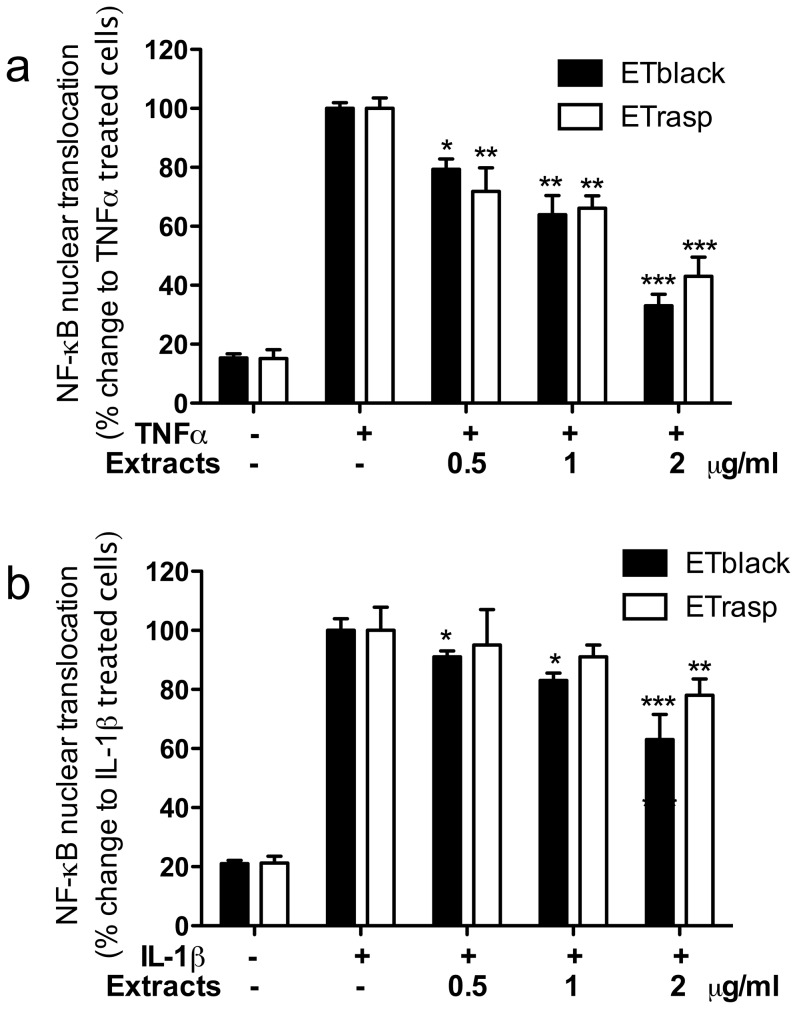
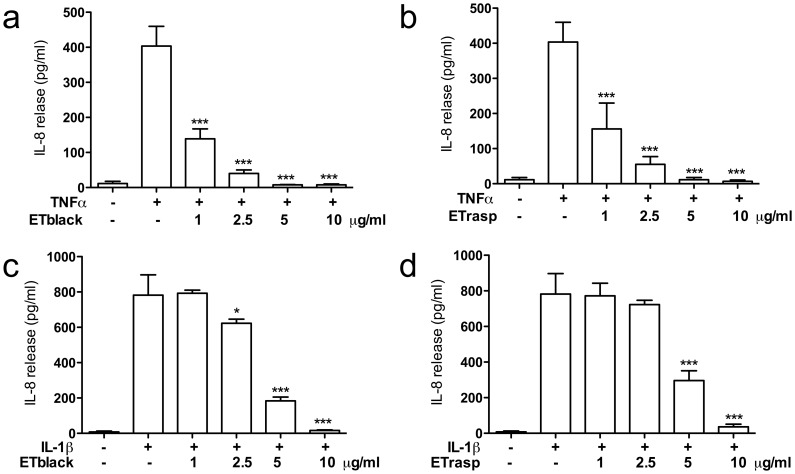
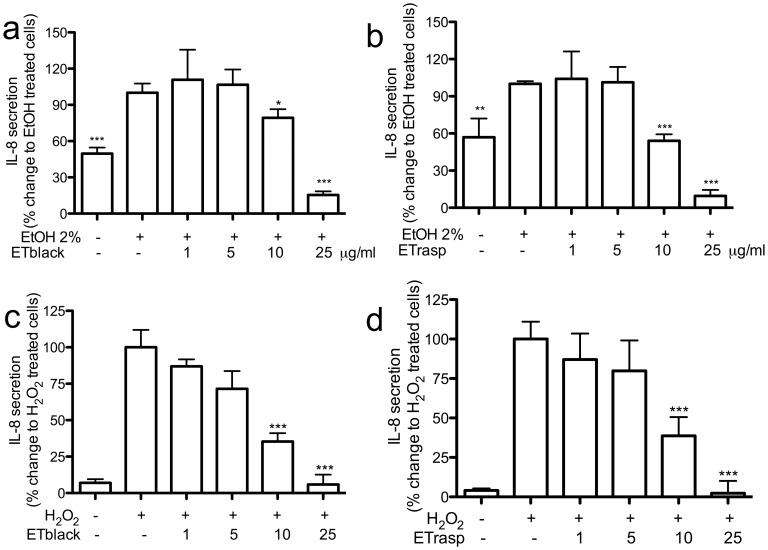
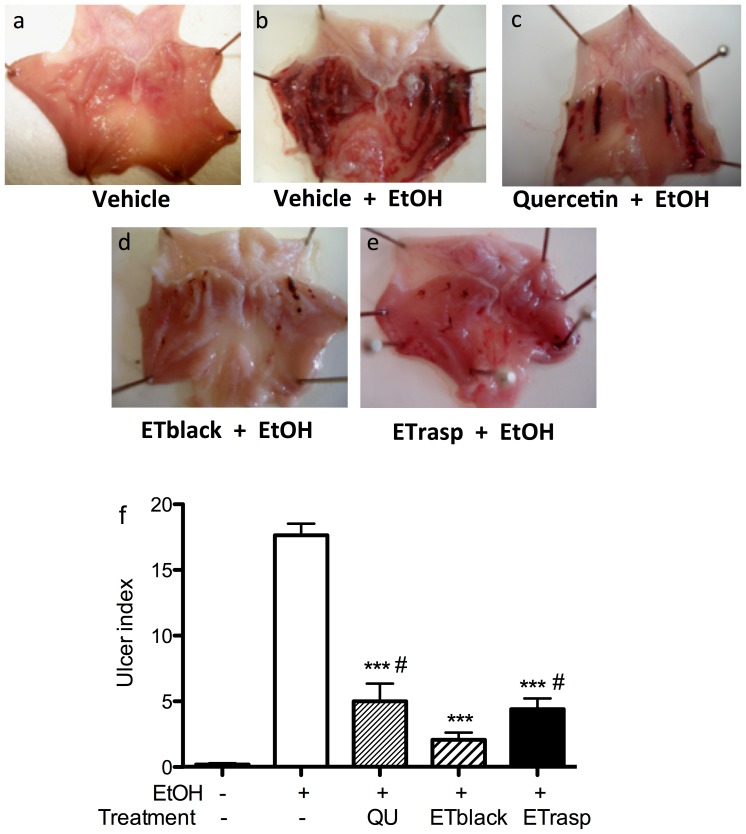
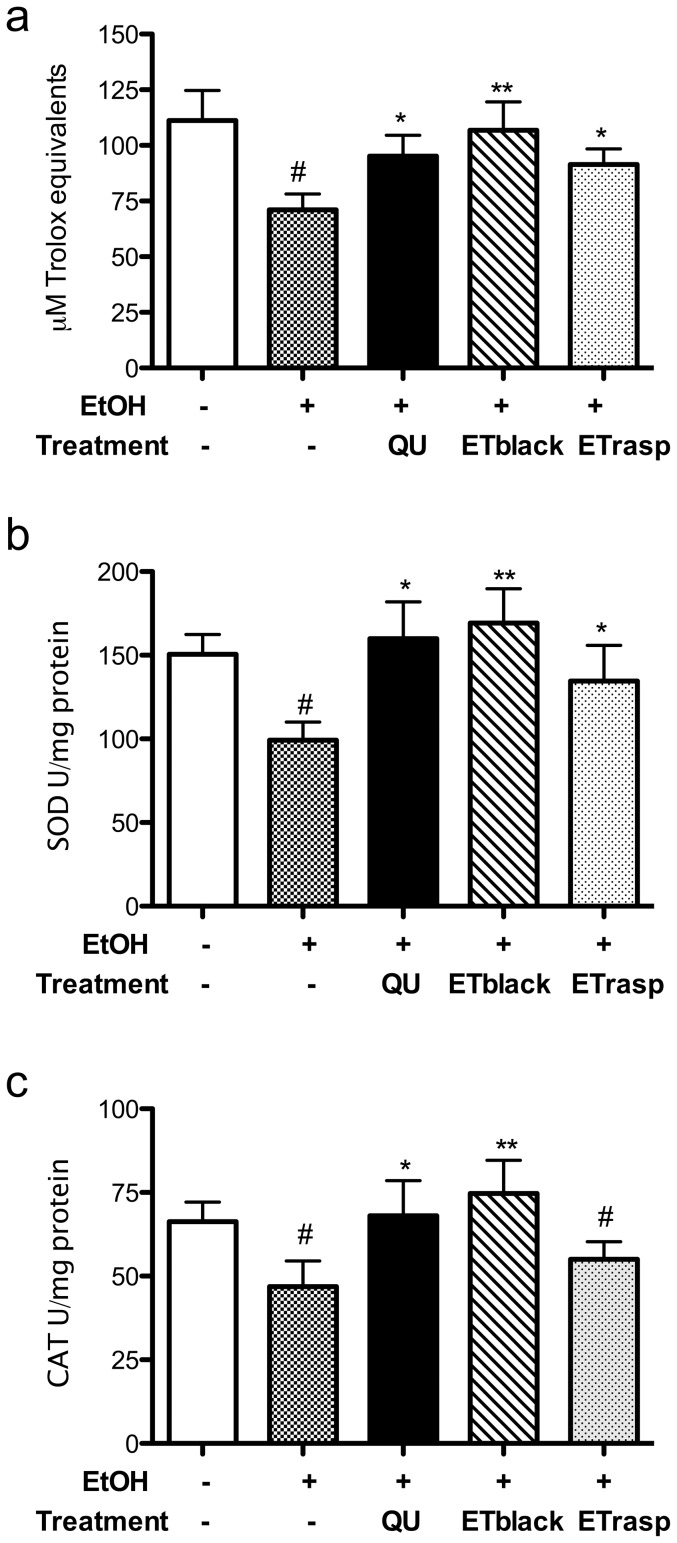
Ellagitannins have shown anti-inflammatory and anti-Helicobacter pylori properties; however, their anti-inflammatory activity at gastric level was not previously investigated. The aim of this research was to evaluate the effects of ellagitannins from Rubus berries on gastric inflammation. Ellagitannin enriched extracts (ETs) were prepared from Rubus fruticosus L. (blackberry) and Rubus idaeus L. (raspberry). The anti-inflammatory activity was tested on gastric cell line AGS stimulated by TNF-α and IL-1β for evaluating the effect on NF-kB driven transcription, nuclear translocation and IL-8 secretion. In vivo the protective effect of ellagitannins was evaluated in a rat model of ethanol-induced gastric lesions. Rats were treated orally for ten days with 20 mg/kg/day of ETs, and ethanol was given one hour before the sacrifice. Gastric mucosa was isolated and used for the determination of IL-8 release, NF-kB nuclear translocation, Trolox equivalents, superoxide dismutase and catalase activities. In vitro, ETs inhibited TNF-α induced NF-kB driven transcription (IC₅₀: 0.67-1.73 µg/mL) and reduced TNF-α-induced NF-kB nuclear translocation (57%-67% at 2 µg/mL). ETs inhibited IL-8 secretion induced by TNF-α and IL-1β at low concentrations (IC₅₀ range of 0.7-4 µg/mL). Sanguiin H-6 and lambertianin C, the major ETs present in the extracts, were found to be responsible, at least in part, for the effect of the mixtures. ETs of blackberry and raspberry decreased Ulcer Index by 88% and 75% respectively and protected from the ethanol induced oxidative stress in rats. CINC-1 (the rat homologue of IL-8) secretion in the gastric mucosa was reduced in the animals receiving blackberry and raspberry ETs. The effect of ETs on CINC-1 was associated to a decrease of NF-κB nuclear translocation in ETs treated animals. The results of the present study report for the first time the preventing effect of ETs in gastric inflammation and support for their use in dietary regimens against peptic ulcer.
鞣花单宁具有抗炎和抗幽门螺杆菌的特性;然而,其在胃水平的抗炎活性尚未被研究过。本研究旨在评估来自悬钩子属浆果的鞣花单宁对胃炎症的影响。鞣花单宁富集提取物(ETs)由悬钩子属(黑莓)和覆盆子(覆盆子)制备。通过 TNF-α 和 IL-1β 刺激的 AGS 胃细胞系测试抗炎活性,以评估 NF-κB 驱动转录、核易位和 IL-8 分泌的影响。在体内,通过乙醇诱导的大鼠胃损伤模型评估鞣花单宁的保护作用。大鼠用 20mg/kg/天的 ETs 口服治疗十天,在牺牲前一小时给予乙醇。分离胃黏膜,用于测定 IL-8 释放、NF-κB 核易位、Trolox 当量、超氧化物歧化酶和过氧化氢酶活性。在体外,ETs 抑制 TNF-α 诱导的 NF-κB 驱动转录(IC₅₀:0.67-1.73μg/mL)并减少 TNF-α 诱导的 NF-κB 核易位(2μg/mL 时为 57%-67%)。ETs 以低浓度抑制 TNF-α 和 IL-1β 诱导的 IL-8 分泌(IC₅₀ 范围为 0.7-4μg/mL)。发现提取物中主要的 ETs 桑给 H-6 和 Lambertianin C 至少部分负责混合物的作用。黑莓和覆盆子的 ETs 分别使溃疡指数降低了 88%和 75%,并保护大鼠免受乙醇诱导的氧化应激。在接受黑莓和覆盆子 ETs 的动物中,胃黏膜中 CINC-1(IL-8 的大鼠同源物)的分泌减少。ETs 对 CINC-1 的作用与 ETs 处理动物中 NF-κB 核易位的减少有关。本研究的结果首次报道了 ETs 对胃炎症的预防作用,并支持将其用于对抗消化性溃疡的饮食方案。