Dipartimento di Scienze Cliniche Specialistiche ed Odontostomatologiche-Sez. Biochimica, Facoltà di Medicina, Università Politecnica delle Marche, Ancona, Italy.
PLoS One. 2011;6(10):e25878. doi: 10.1371/journal.pone.0025878. Epub 2011 Oct 7.
Free radicals are implicated in the aetiology of gastrointestinal disorders such as gastric ulcer, colorectal cancer and inflammatory bowel disease. Strawberries are common and important fruit due to their high content of essential nutrient and beneficial phytochemicals which seem to have relevant biological activity on human health. In the present study we investigated the antioxidant and protective effects of three strawberry extracts against ethanol-induced gastric mucosa damage in an experimental in vivo model and to test whether strawberry extracts affect antioxidant enzyme activities in gastric mucosa.
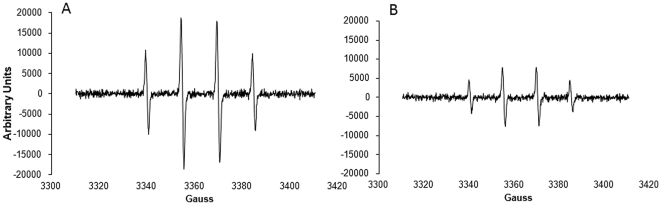
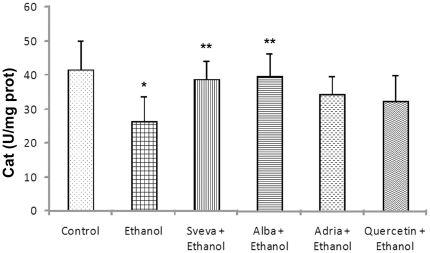
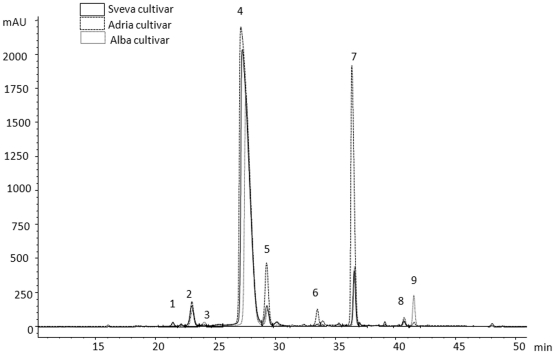
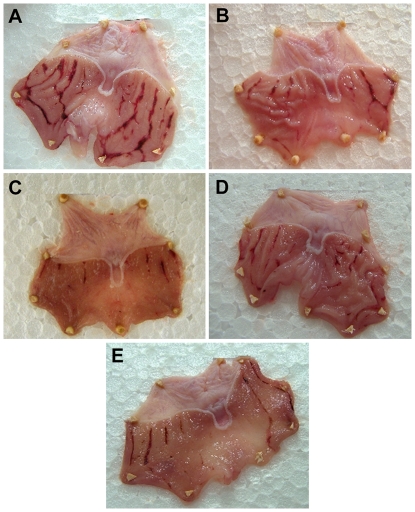
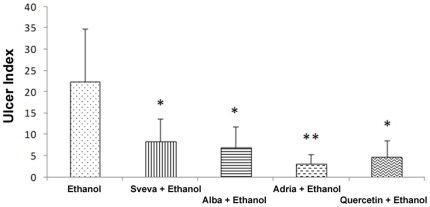
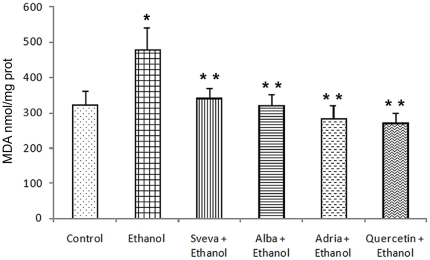
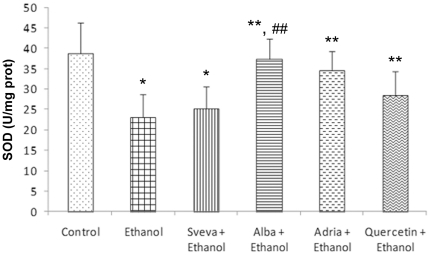
METHODS/PRINCIPAL FINDINGS: Strawberry extracts were obtained from Adria, Sveva and Alba cultivars. Total antioxidant capacity and radical scavenging capacity were performed by TEAC, ORAC and electron paramagnetic resonance assays. Identification and quantification of anthocyanins was carried out by HPLC-DAD-MS analyses. Different groups of animals received 40 mg/day/kg body weight of strawberry crude extracts for 10 days. Gastric damage was induced by ethanol. The ulcer index was calculated together with the determination of catalase and SOD activities and MDA contents. Strawberry extracts are rich in anthocyanins and present important antioxidant capacity. Ethanol caused severe gastric damage and strawberry consumption protected against its deleterious role. Antioxidant enzyme activities increased significantly after strawberry extract intake and a concomitantly decrease in gastric lipid peroxidation was found. A significant correlation between total anthocyanin content and percent of inhibition of ulcer index was also found.
Strawberry extracts prevented exogenous ethanol-induced damage to rats' gastric mucosa. These effects seem to be associated with the antioxidant activity and phenolic content in the extract as well as with the capacity of promoting the action of antioxidant enzymes. A diet rich in strawberries might exert a beneficial effect in the prevention of gastric diseases related to generation of reactive oxygen species.
自由基与胃肠道疾病(如胃溃疡、结直肠癌和炎症性肠病)的发病机制有关。草莓因其富含必需营养素和有益植物化学物质而成为常见且重要的水果,这些物质似乎对人体健康具有相关的生物学活性。在本研究中,我们研究了三种草莓提取物对乙醇诱导的胃黏膜损伤的抗氧化和保护作用,并检测了草莓提取物是否影响胃黏膜中的抗氧化酶活性。
方法/主要发现:草莓提取物来自 Adria、Sveva 和 Alba 品种。总抗氧化能力和自由基清除能力通过 TEAC、ORAC 和电子顺磁共振测定法进行测定。采用 HPLC-DAD-MS 分析方法对花色苷进行鉴定和定量。不同组别的动物接受 40mg/天/公斤体重的草莓粗提取物 10 天。通过乙醇诱导胃损伤。计算溃疡指数,同时测定过氧化氢酶和 SOD 活性以及 MDA 含量。草莓提取物富含花色苷,具有重要的抗氧化能力。乙醇会导致严重的胃损伤,而草莓的摄入则能保护其免受有害作用。摄入草莓提取物后,抗氧化酶活性显著增加,同时发现胃脂质过氧化作用降低。总花色苷含量与溃疡指数抑制率之间也存在显著相关性。
草莓提取物可预防乙醇引起的大鼠胃黏膜损伤。这些作用可能与提取物的抗氧化活性和酚类含量以及促进抗氧化酶作用的能力有关。富含草莓的饮食可能对预防与活性氧生成有关的胃部疾病具有有益作用。