1] Division of Protein Chemistry, Medical Institute of Bioregulation, Kyushu University, 3-1-1 Maidashi, Higashi-ku, Fukuoka 812-8582, Japan [2].
Sci Rep. 2013;3:2456. doi: 10.1038/srep02456.
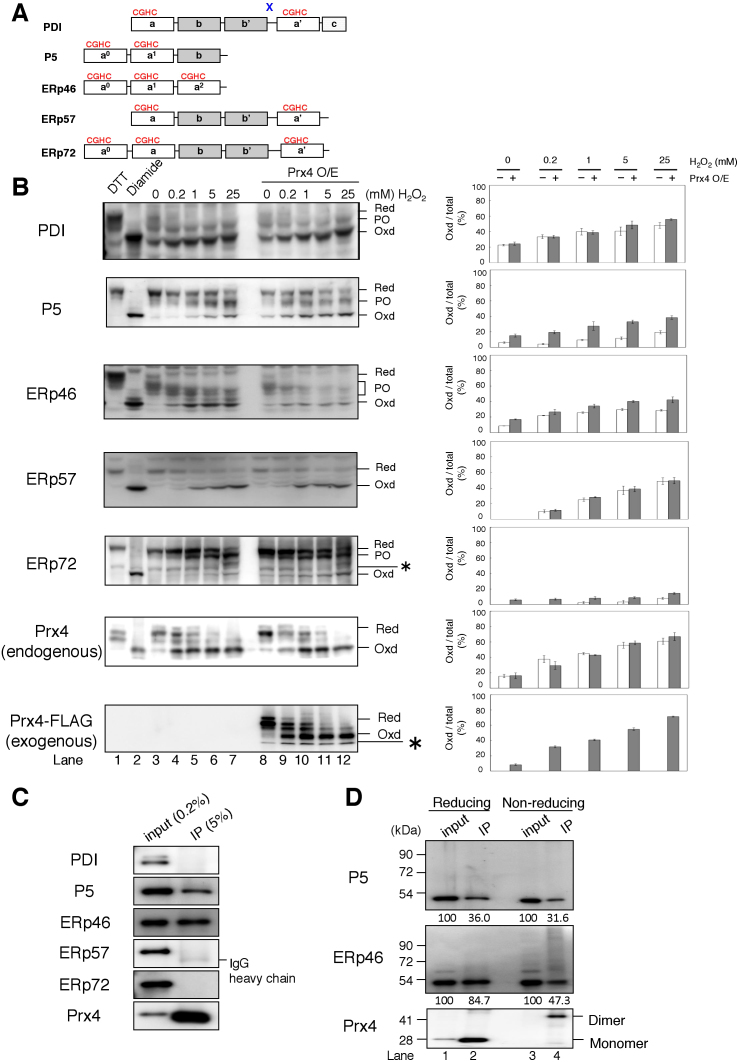
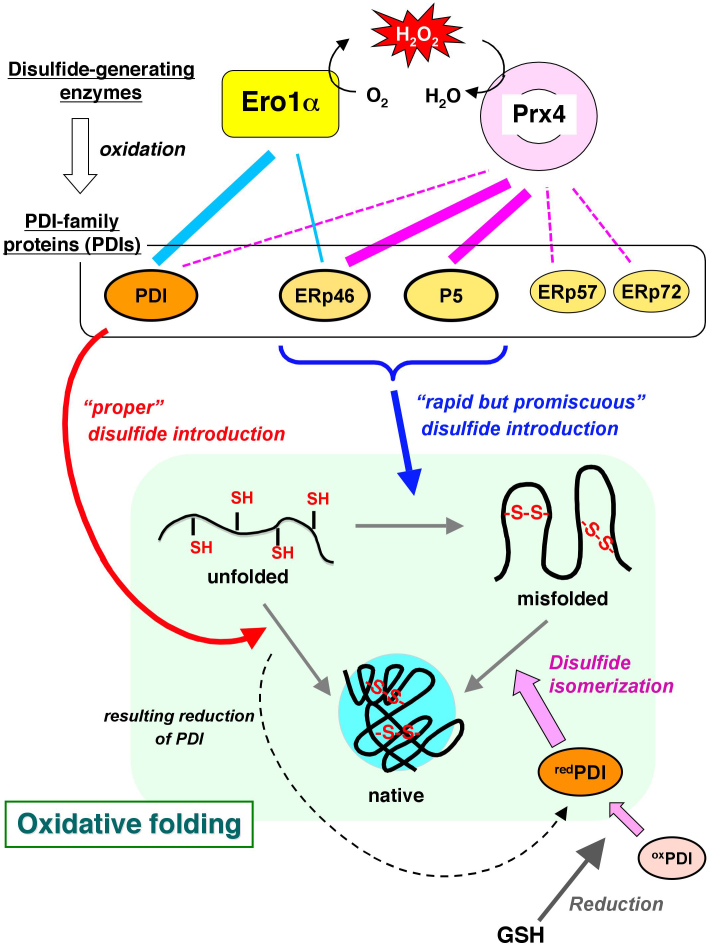
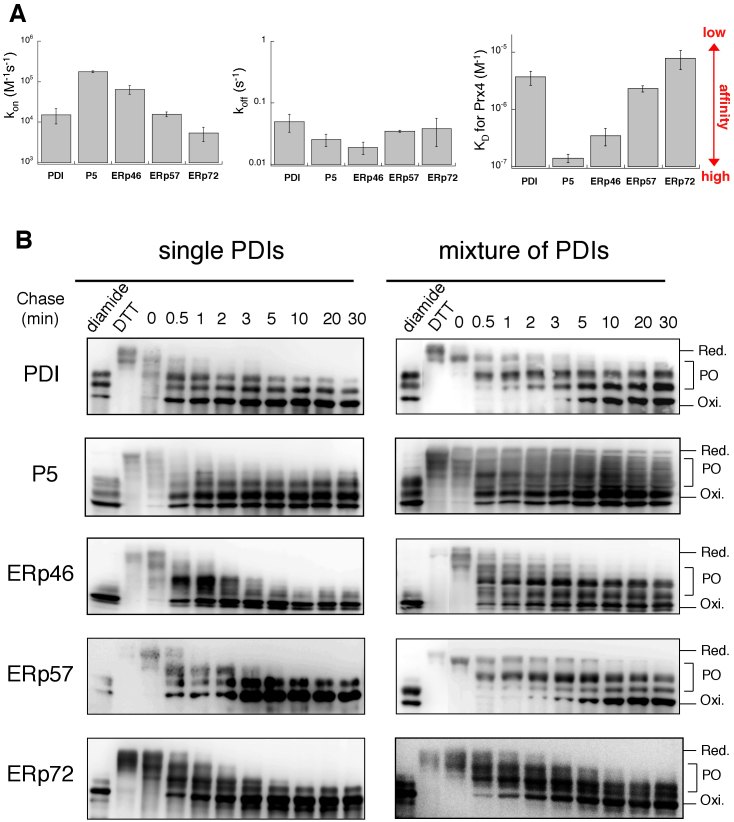
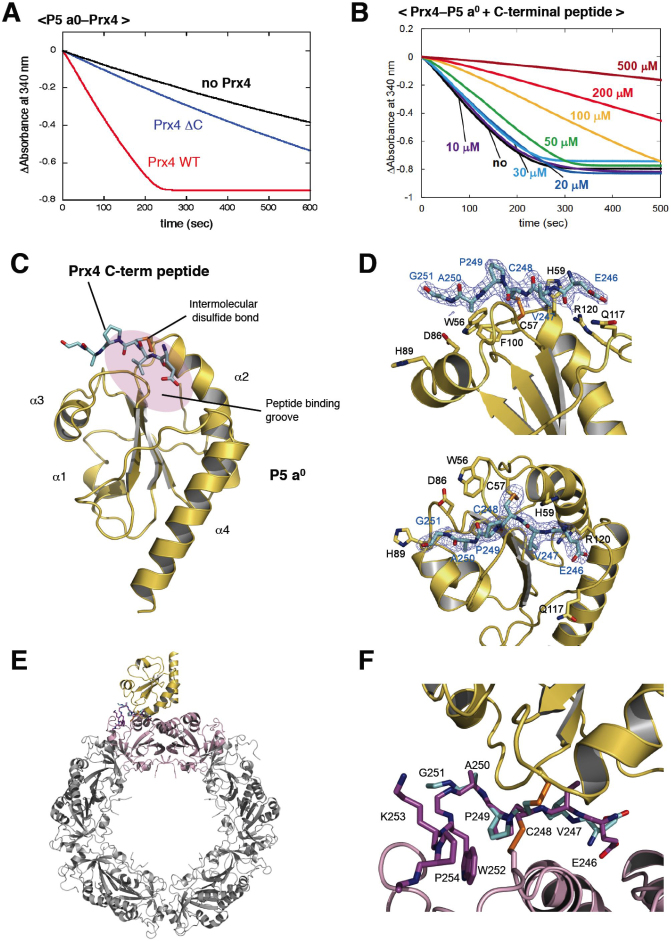
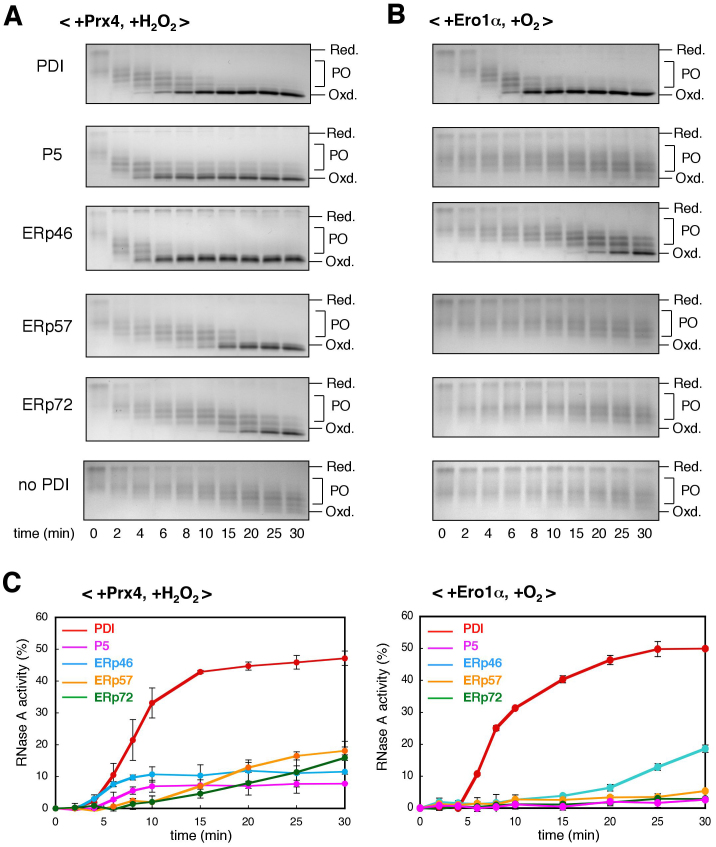
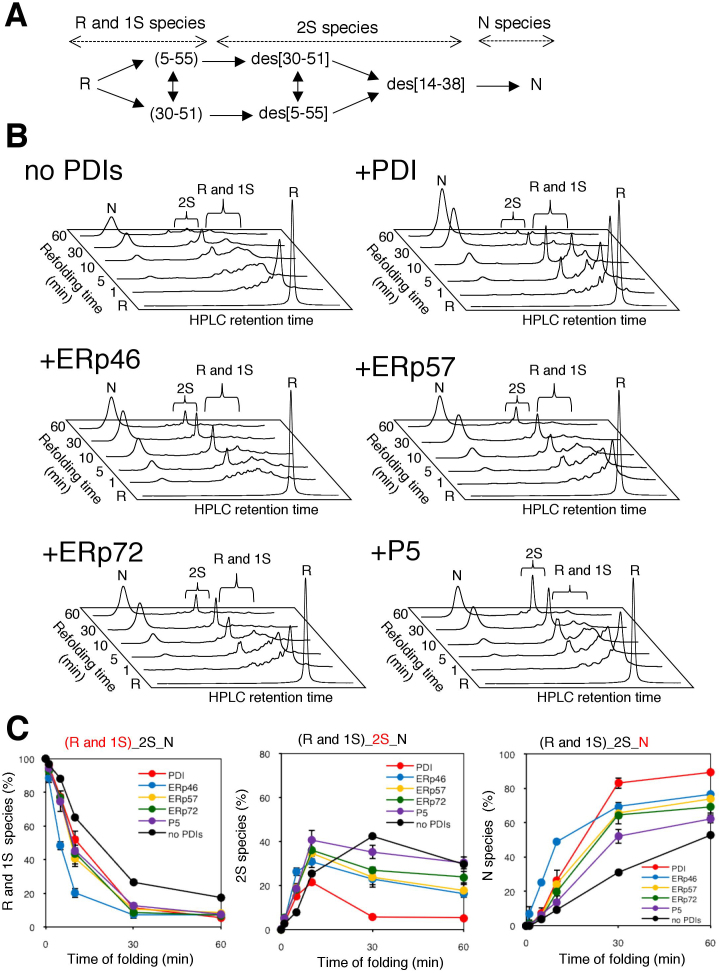
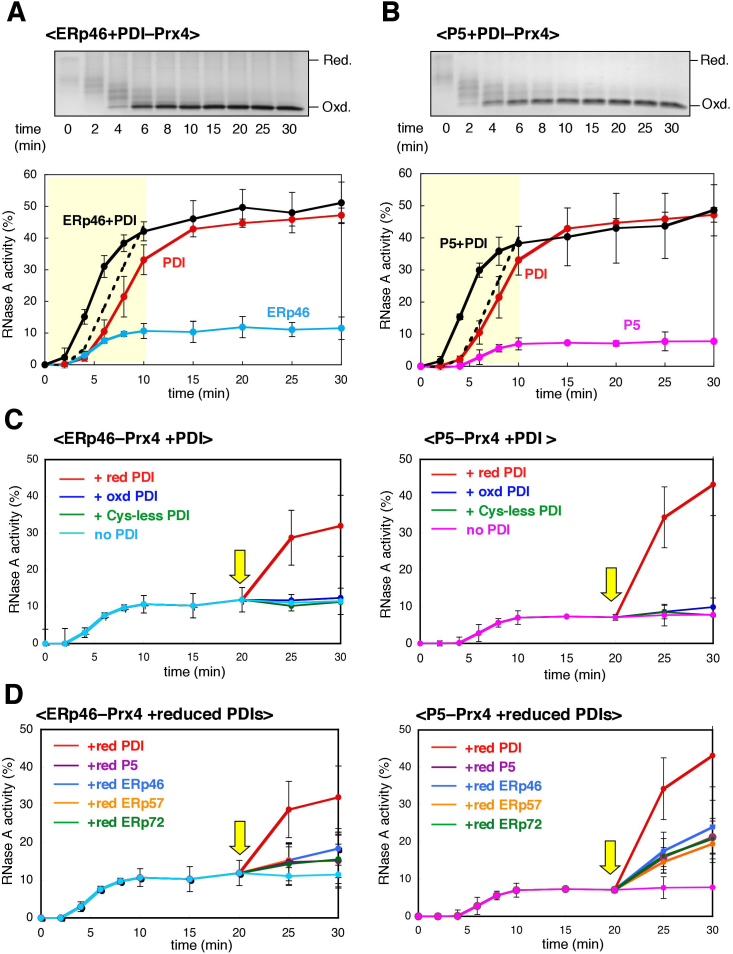
The mammalian endoplasmic reticulum (ER) harbors disulfide bond-generating enzymes, including Ero1α and peroxiredoxin 4 (Prx4), and nearly 20 members of the protein disulfide isomerase family (PDIs), which together constitute a suitable environment for oxidative protein folding. Here, we clarified the Prx4 preferential recognition of two PDI family proteins, P5 and ERp46, and the mode of interaction between Prx4 and P5 thioredoxin domain. Detailed analyses of oxidative folding catalyzed by the reconstituted Prx4-PDIs pathways demonstrated that, while P5 and ERp46 are dedicated to rapid, but promiscuous, disulfide introduction, PDI is an efficient proofreader of non-native disulfides. Remarkably, the Prx4-dependent formation of native disulfide bonds was accelerated when PDI was combined with ERp46 or P5, suggesting that PDIs work synergistically to increase the rate and fidelity of oxidative protein folding. Thus, the mammalian ER seems to contain highly systematized oxidative networks for the efficient production of large quantities of secretory proteins.
哺乳动物内质网(ER)拥有生成二硫键的酶,包括 Ero1α 和过氧化物酶 4(Prx4),以及近 20 种蛋白二硫键异构酶家族(PDI)成员,它们共同构成了适合氧化蛋白折叠的环境。在这里,我们阐明了 Prx4 对 PDI 家族的两种蛋白质 P5 和 ERp46 的优先识别,以及 Prx4 与 P5 硫氧还蛋白结构域之间的相互作用模式。对重组 Prx4-PDI 途径催化的氧化折叠的详细分析表明,虽然 P5 和 ERp46 专门用于快速但混杂的二硫键引入,但 PDI 是非天然二硫键的有效校对者。值得注意的是,当 PDI 与 ERp46 或 P5 结合时,Prx4 依赖性的天然二硫键形成会加速,这表明 PDIs 协同工作以提高氧化蛋白折叠的速率和保真度。因此,哺乳动物 ER 似乎包含高度系统化的氧化网络,用于有效生产大量分泌蛋白。