BMC Infect Dis. 2013 Aug 17;13:379. doi: 10.1186/1471-2334-13-379.
Chlamydia trachomatis is the most commonly diagnosed bacterial sexually transmitted infection in the developed world and diagnosis rates have increased dramatically over the last decade. Repeat infections of chlamydia are very common and may represent re-infection from an untreated partner or treatment failure. The aim of this cohort study is to estimate the proportion of women infected with chlamydia who experience treatment failure after treatment with 1 gram azithromycin.
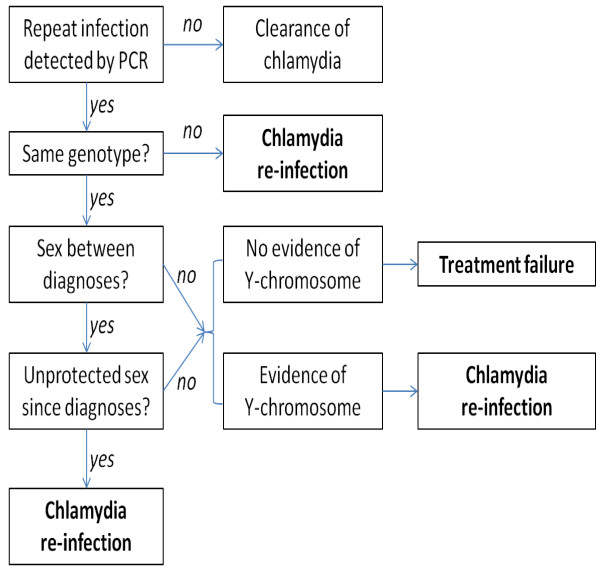
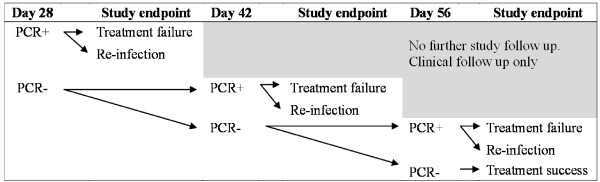
METHODS/DESIGN: This cohort study will follow women diagnosed with chlamydia for up to 56 days post treatment. Women will provide weekly genital specimens for further assay. The primary outcome is the proportion of women who are classified as having treatment failure 28, 42 or 56 days after recruitment. Comprehensive sexual behavior data collection and the detection of Y chromosome DNA and high discriminatory chlamydial genotyping will be used to differentiate between chlamydia re-infection and treatment failure. Azithromycin levels in high-vaginal specimens will be measured using a validated liquid chromatography-tandem mass spectrometry method to assess whether poor azithromycin absorption could be a cause of treatment failure. Chlamydia culture and minimal inhibitory concentrations will be performed to further characterize the chlamydia infections.
Distinguishing between treatment failure and re-infection is important in order to refine treatment recommendations and focus infection control mechanisms. If a large proportion of repeat chlamydia infections are due to antibiotic treatment failure, then international recommendations on chlamydia treatment may need to be re-evaluated. If most are re-infections, then strategies to expedite partner treatment are necessary.
沙眼衣原体是发达国家最常见的经性传播的细菌感染,在过去十年中,其诊断率显著上升。衣原体的重复感染非常常见,可能代表未治疗的性伴侣再次感染或治疗失败。本队列研究的目的是估计在接受 1 克阿奇霉素治疗后,感染衣原体的女性中治疗失败的比例。
方法/设计:本队列研究将在治疗后最多 56 天内对诊断为衣原体感染的女性进行随访。女性将每周提供生殖器标本进行进一步检测。主要结局是在招募后 28、42 或 56 天,将女性归类为治疗失败的比例。全面的性行为数据收集以及 Y 染色体 DNA 和高区分性衣原体基因分型的检测将用于区分衣原体再感染和治疗失败。将使用经过验证的液相色谱-串联质谱法测量高阴道标本中的阿奇霉素水平,以评估吸收不良是否是治疗失败的原因。将进行衣原体培养和最小抑菌浓度测定,以进一步描述衣原体感染。
区分治疗失败和再感染对于完善治疗建议和集中感染控制机制非常重要。如果大量重复的衣原体感染是由于抗生素治疗失败引起的,那么国际衣原体治疗建议可能需要重新评估。如果大多数是再感染,则需要加快性伴侣治疗的策略。