Agarwal S K, Sethi S, Dinda A K
Department of Nephrology, All India Institute of Medical Sciences, New Delhi, India.
Indian J Nephrol. 2013 Jul;23(4):243-52. doi: 10.4103/0971-4065.114462.
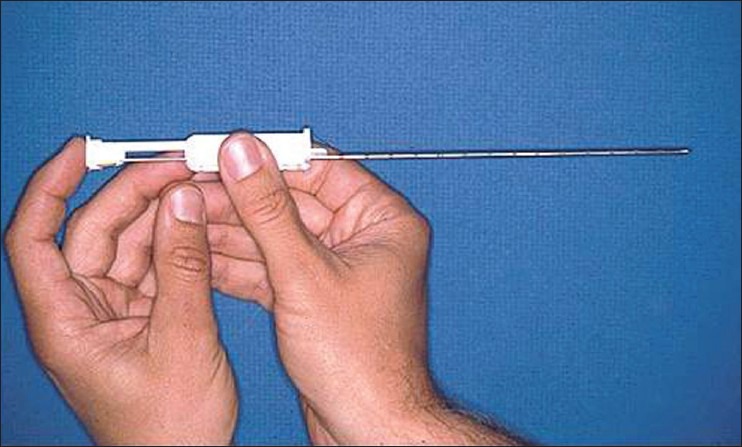
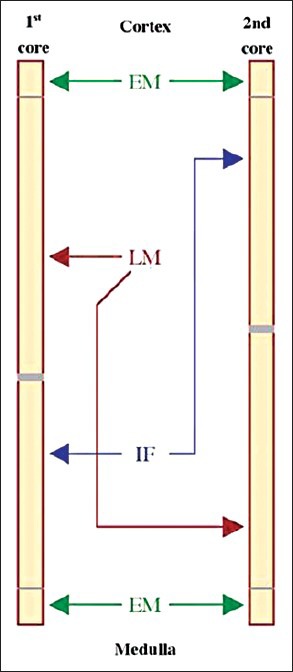
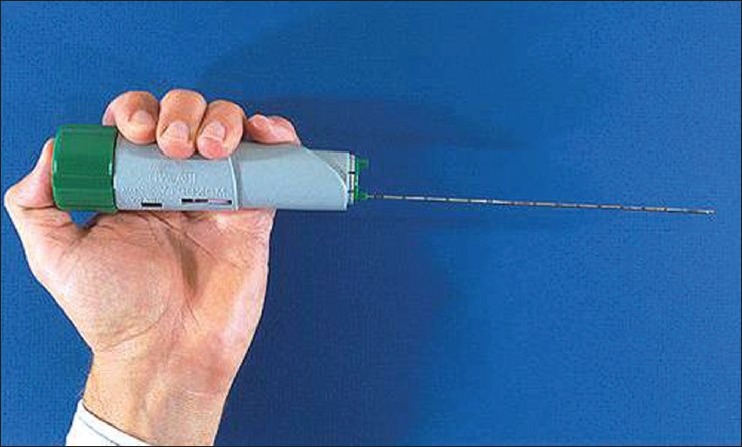
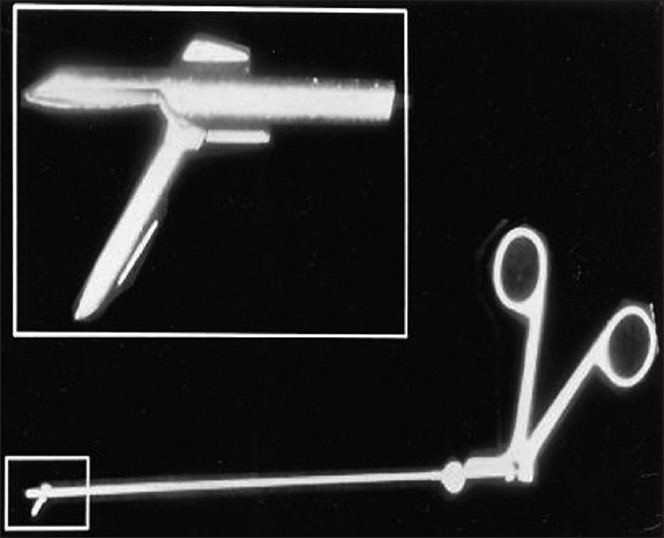
The introduction of the kidney biopsy is one of the major events in the history of nephrology. Primary indications of kidney biopsy are glomerular hematuria/proteinuria with or without renal dysfunction and unexplained renal failure. Kidney biopsy is usually performed in prone position but in certain situations, supine and lateral positions may be required. Biopsy needles have changed with times from Vim-Silverman needle to Tru-cut needle to spring-loaded automatic gun. The procedure has also changed from blind bedside kidney biopsy to ultrasound marking to real-time ultrasound guidance to rarely computerized tomography guidance and laparoscopic and open biopsy. In very specific situations, transjugular kidney biopsy may be required. Most of the centers do kidney biopsy on short 1-day admission, whereas some take it as an outdoor procedure. For critical interpretation of kidney biopsy, adequate sample and clinical information are mandatory. Tissue needs to be stained with multiple stains for delineation of various components of kidney tissue. Many consider that electron microscopy (EM) is a must for all kidney biopsies, but facilities for EM are limited even in big centers. Sophisticated tests such as immunohistochemistry and in-situ hybridization are useful adjuncts for definitive diagnosis in certain situations.
肾活检的引入是肾脏病学史上的重大事件之一。肾活检的主要适应证是伴有或不伴有肾功能不全的肾小球血尿/蛋白尿以及不明原因的肾衰竭。肾活检通常在俯卧位进行,但在某些情况下,可能需要仰卧位和侧卧位。活检针随着时间的推移从Vim-Silverman针发展到Tru-cut针,再到弹簧加载自动枪。该操作也从盲目的床边肾活检发展到超声标记、实时超声引导,很少采用计算机断层扫描引导以及腹腔镜和开放活检。在非常特殊的情况下,可能需要经颈静脉肾活检。大多数中心在患者短期住院1天时进行肾活检,而有些中心则将其作为门诊操作。为了对肾活检进行准确解读,充足的样本和临床信息是必不可少的。组织需要用多种染色剂染色,以描绘肾组织的各种成分。许多人认为电子显微镜检查(EM)对所有肾活检都是必需的,但即使在大型中心,EM设备也很有限。免疫组织化学和原位杂交等复杂检测在某些情况下是明确诊断的有用辅助手段。