Wellensiek Brian P, Ramakrishnan Rajesh, Bashyal Bharat P, Eason Yvette, Gunatilaka A A Leslie, Ahmad Nafees
Department of Immunobiology, College of Medicine, University of Arizona, Tucson, AZ 85724, USA.
Open Virol J. 2013 Jul 26;7:72-80. doi: 10.2174/1874357920130624002. eCollection 2013.
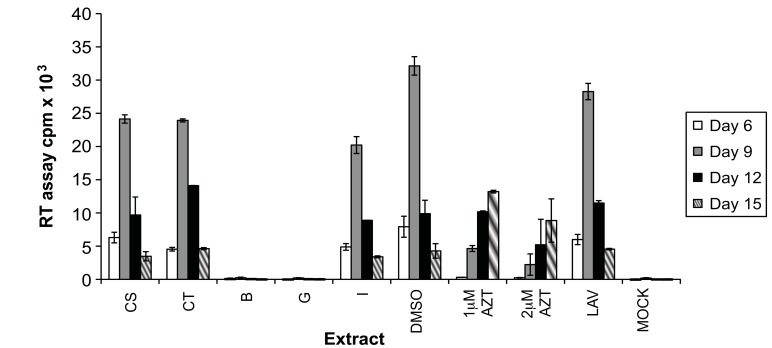
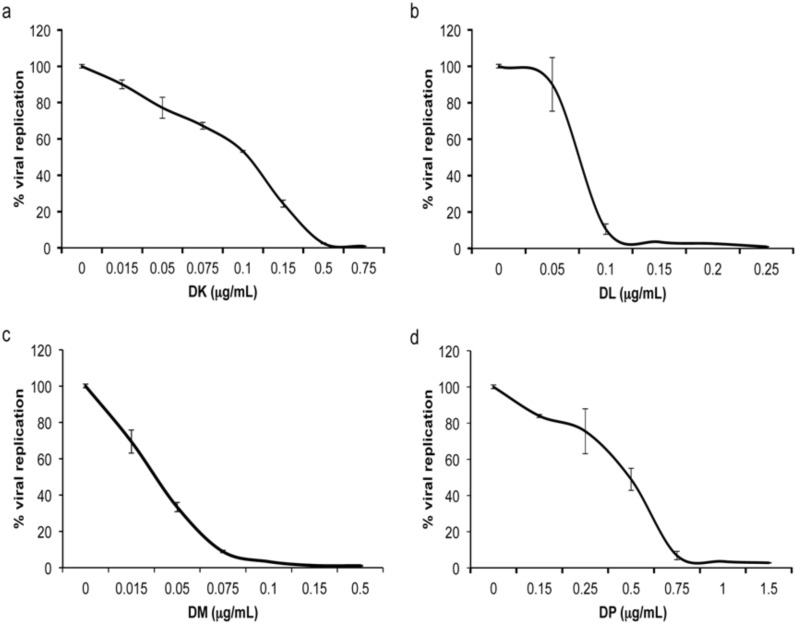
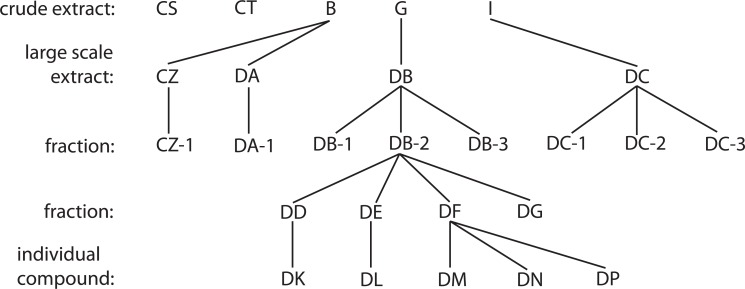
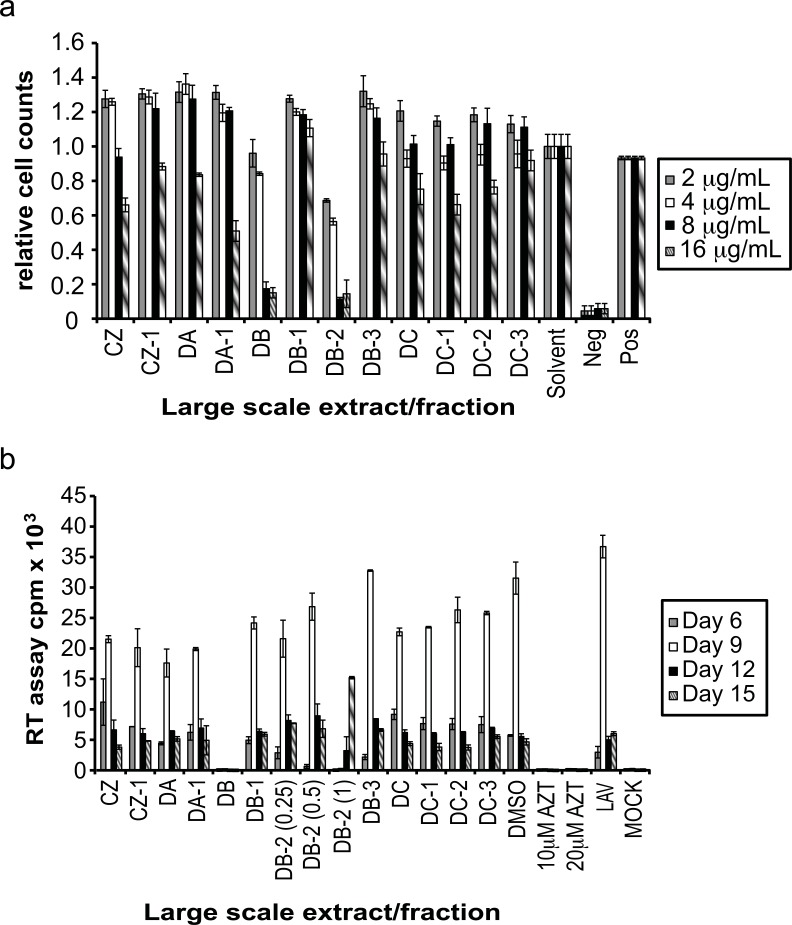
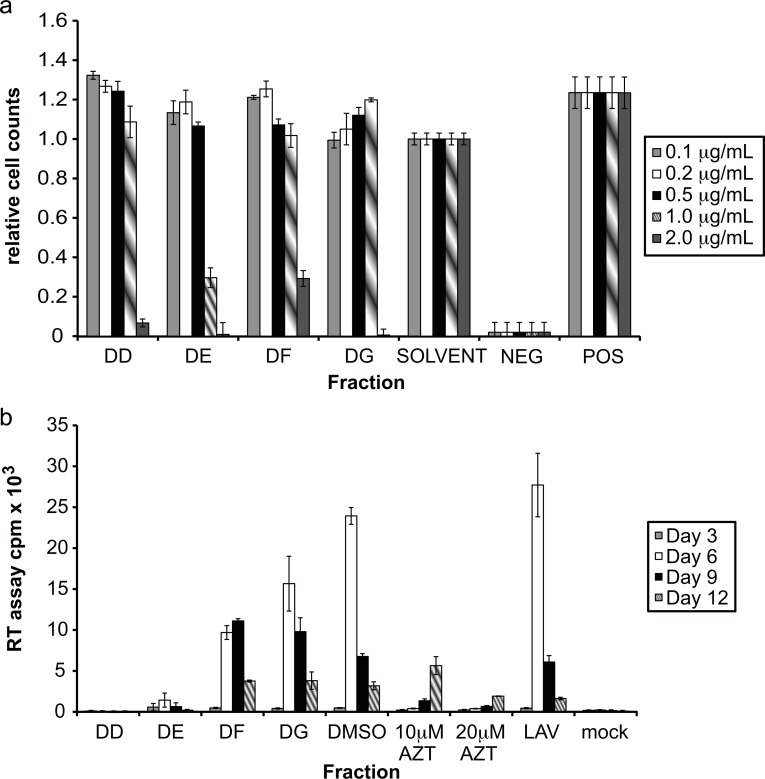
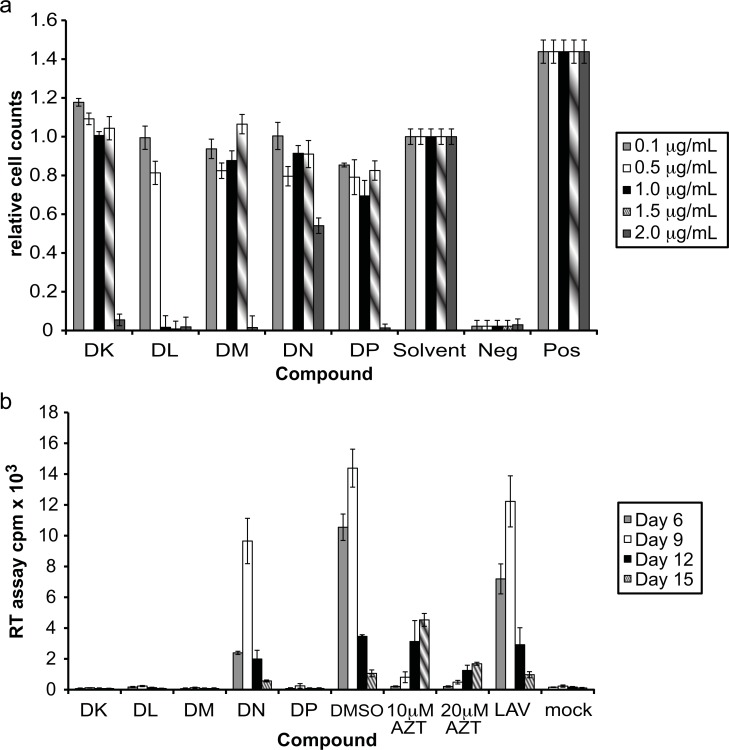
Most antiretroviral drugs currently in use to treat an HIV-1 infection are chemically synthesized and lead to the development of viral resistance, as well as cause severe toxicities. However, a largely unexplored source for HIV-1 drug discovery is endophytic fungi that live in a symbiotic relationship with plants. These fungi produce biologically active secondary metabolites, which are natural products that are beneficial to the host. We prepared several hundred extracts from endophytic fungi of desert plants and evaluated the inhibitory effects on HIV-1 replication of those extracts that showed less than 30% cytotoxicity in T-lymphocytes. Those extracts that inhibited viral replication were fractionated in order to isolate the compounds responsible for activity. Multiple rounds of fractionation and antiviral evaluation lead to the identification of four compounds, which almost completely impede HIV-1 replication. These studies demonstrate that metabolites from endophytic fungi of desert plants can serve as a viable source for identifying potent inhibitors of HIV-1 replication.
目前用于治疗HIV-1感染的大多数抗逆转录病毒药物都是化学合成的,会导致病毒产生耐药性,还会引起严重的毒性。然而,HIV-1药物发现的一个很大程度上未被探索的来源是与植物共生的内生真菌。这些真菌产生具有生物活性的次生代谢产物,这些天然产物对宿主有益。我们从沙漠植物的内生真菌中制备了数百种提取物,并评估了那些在T淋巴细胞中细胞毒性小于30%的提取物对HIV-1复制的抑制作用。对那些抑制病毒复制的提取物进行分级分离,以分离出具有活性的化合物。经过多轮分级分离和抗病毒评估,鉴定出了四种化合物,它们几乎完全阻碍了HIV-1的复制。这些研究表明,沙漠植物内生真菌的代谢产物可作为鉴定HIV-1复制强效抑制剂的可行来源。