Molazem Zahra, Tavakol Nahid, Sharif Farkhondeh, Keshavarzi Sareh, Ghadakpour Soraya
Assistant Professor, Department of Nursing, School of Nursing and Midwifery, Shiraz University of Medical Sciences, Shiraz, Iran;
J Med Ethics Hist Med. 2013 Apr 6;6:5. eCollection 2013.
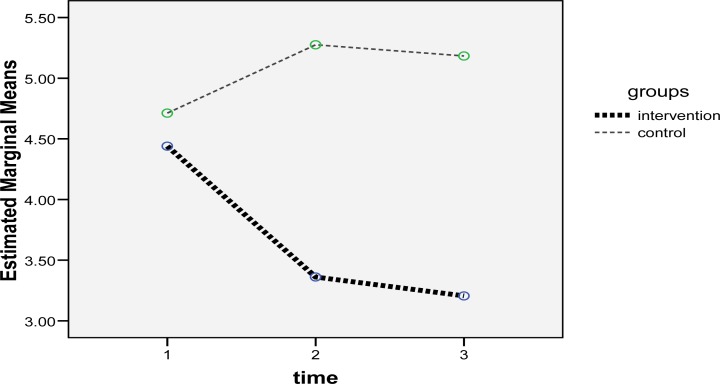
Complexity of health care has caused ethical dilemmas and moral distress to be quite unavoidable for nurses. Moral distress is a major, highly prevalent problem in the nursing profession. The study aims to investigate the effect of education based on the "4A model" on the rate of moral distress among the nurses working in Cardiac Care Units (CCU). The participants consisted of 60 nurses working in Cardiac Care Units (CCU), 30 in the control and 30 in the intervention group. Those in the intervention group took part in the educational workshop about "moral distress" and "4A model". The moral distress questionnaire was completed by both study groups 1 and 2 months after the intervention. After the intervention, the results of repeated measures analysis of variance revealed a significant difference in the moral distress mean scores between the intervention and the control groups (P<0.001) and within the two groups (P<0.001). Moreover, a significant difference was found between the two study groups regarding the mean score of moral distress 1 and 2 months after the intervention. The findings of the current study revealed a decreasing trend in the moral distress mean score in the intervention group, while there was an increasing trend in the control group after the intervention. It can be concluded that the "4A model" can be used for reducing moral distress and educational interventions can reduce the rate of moral distress among nurses. Authors of this study recommend that more studies with larger sample sizes be conducted in different hospital wards as well.
医疗保健的复杂性使得护士不可避免地面临伦理困境和道德困扰。道德困扰是护理行业中一个主要的、普遍存在的问题。本研究旨在调查基于“4A模式”的教育对心脏监护病房(CCU)护士道德困扰发生率的影响。研究对象包括60名在心脏监护病房工作的护士,其中30名为对照组,30名为干预组。干预组参加了关于“道德困扰”和“4A模式”的教育工作坊。干预后1个月和2个月,两个研究组均完成了道德困扰问卷。干预后,重复测量方差分析结果显示,干预组和对照组之间的道德困扰平均得分存在显著差异(P<0.001),两组内部也存在显著差异(P<0.001)。此外,干预后1个月和2个月,两个研究组在道德困扰平均得分方面也存在显著差异。本研究结果显示,干预组的道德困扰平均得分呈下降趋势,而对照组在干预后呈上升趋势。可以得出结论,“4A模式”可用于降低道德困扰,教育干预可降低护士的道德困扰发生率。本研究的作者建议,在不同医院病房也应开展更多样本量更大的研究。