Usui Saori, Senju Atsushi, Kikuchi Yukiko, Akechi Hironori, Tojo Yoshikuni, Osanai Hiroo, Hasegawa Toshikazu
Department of Cognitive and Behavioral Science, University of Tokyo, Tokyo, Japan.
Autism Res Treat. 2013;2013:971686. doi: 10.1155/2013/971686. Epub 2013 Jul 22.
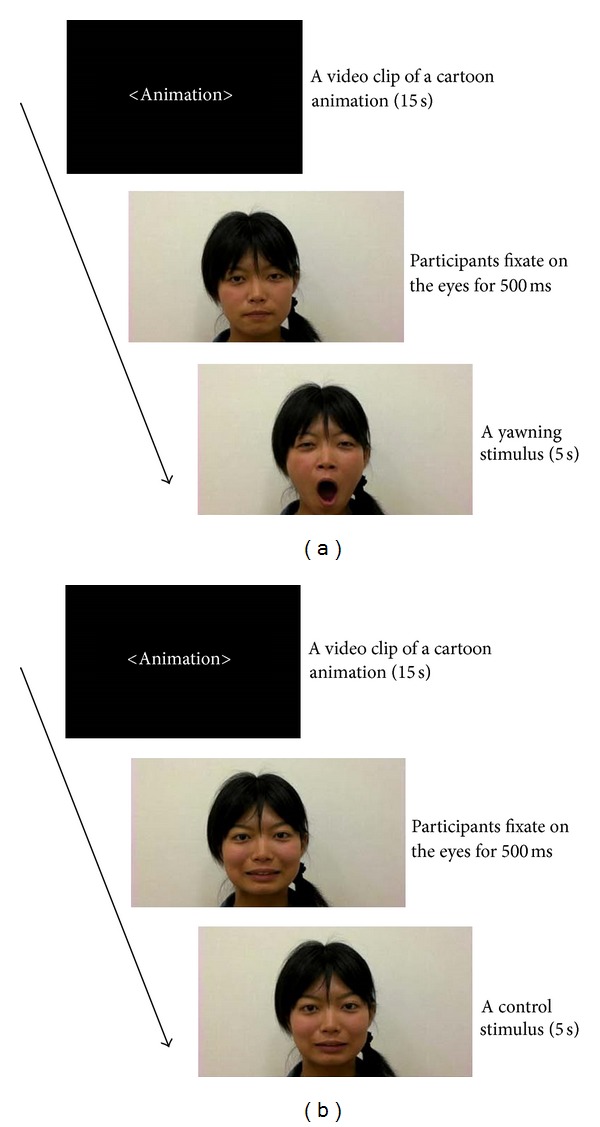
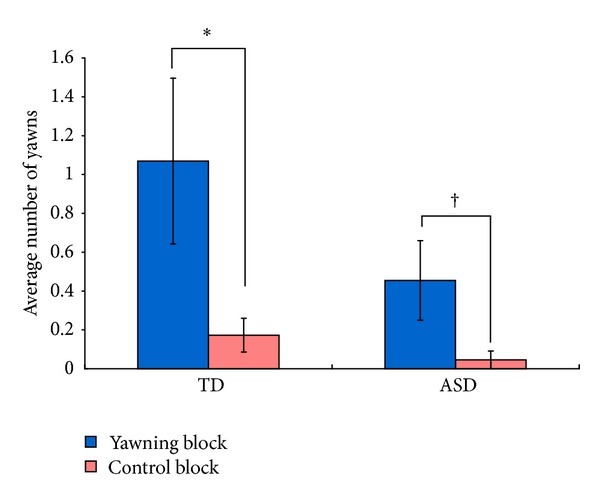
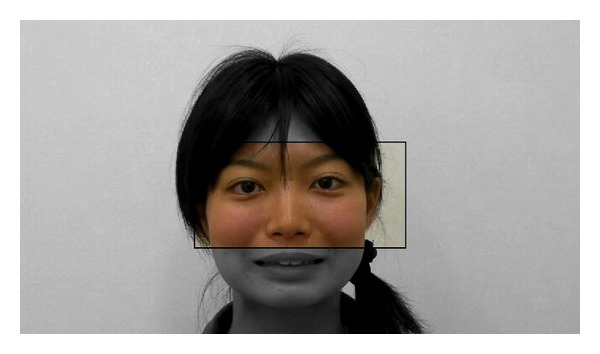
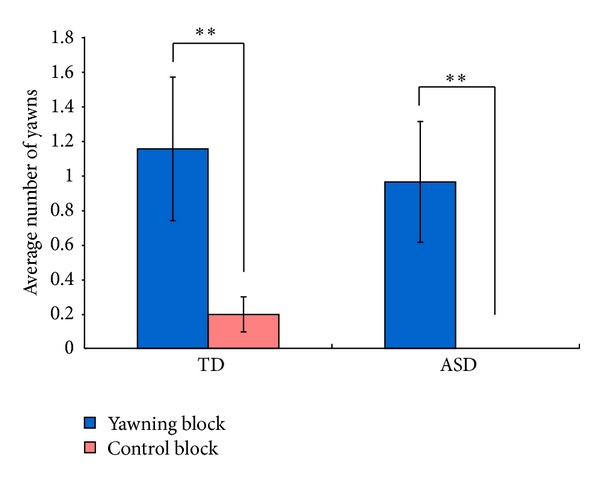
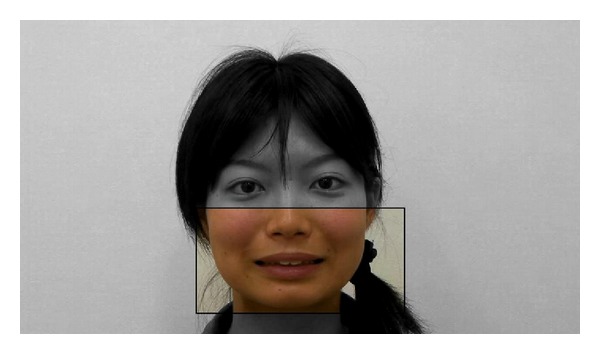
Most previous studies suggest diminished susceptibility to contagious yawning in children with autism spectrum disorder (ASD). However, it could be driven by their atypical attention to the face. To test this hypothesis, children with ASD and typically developing (TD) children were shown yawning and control movies. To ensure participants' attention to the face, an eye tracker controlled the onset of the yawning and control stimuli. Results demonstrated that both TD children and children with ASD yawned more frequently when they watched the yawning stimuli than the control stimuli. It is suggested therefore that the absence of contagious yawning in children with ASD, as reported in previous studies, might relate to their weaker tendency to spontaneously attend to others' faces.
先前的大多数研究表明,自闭症谱系障碍(ASD)儿童对传染性打哈欠的易感性降低。然而,这可能是由他们对脸部的非典型注意力所驱动的。为了验证这一假设,研究人员向患有ASD的儿童和发育正常(TD)的儿童展示了打哈欠的影片和对照影片。为了确保参与者关注脸部,使用了眼动仪来控制打哈欠刺激和对照刺激的呈现时机。结果表明,无论是TD儿童还是患有ASD的儿童,在观看打哈欠刺激影片时比观看对照刺激影片时打哈欠的频率更高。因此,有研究表明,先前研究中所报道的ASD儿童缺乏传染性打哈欠的现象,可能与他们自发关注他人脸部的倾向较弱有关。