Department of Neuroscience, Center for Neurovirology, Temple University School of Medicine, 3500 N Broad Street, Philadelphia, PA 19140, USA.
Virol J. 2013 Aug 23;10:264. doi: 10.1186/1743-422X-10-264.
Polyomavirus JC (JCV) causes the CNS demyelinating disease progressive multifocal leukoencephalopathy (PML), which occurs almost exclusively in people with immune deficiencies, such as HIV-1/AIDS patients. JCV infection is very common and usually occurs early in life. After primary infection, virus is controlled by the immune system but, rarely when immune function is impaired, it can re-emerge and multiply in the astrocytes and oligodendrocytes in the brain and cause PML. Thus a central question in PML pathogenesis is the nature of the molecular mechanisms maintaining JCV in a latent state and then allowing reactivation.
Since transcription can be regulated by epigenetic mechanisms including DNA methylation and histone acetylation, we investigated their role in JCV regulation by employing inhibitors of epigenetic events.
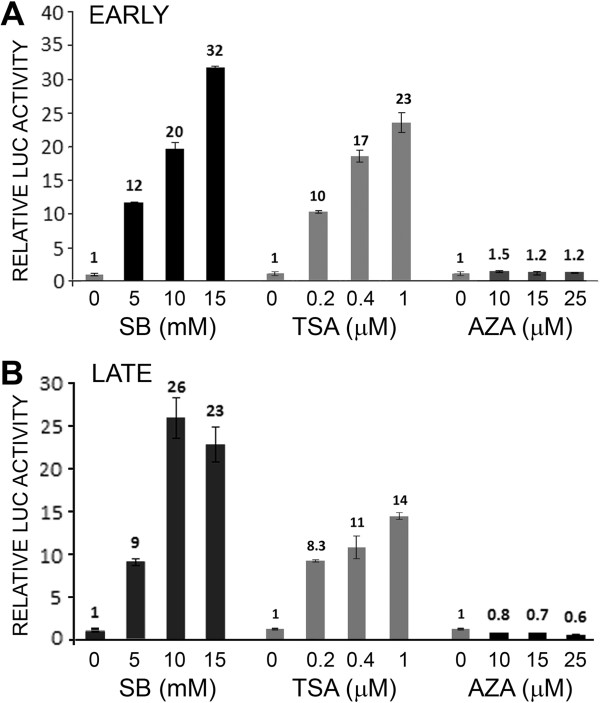
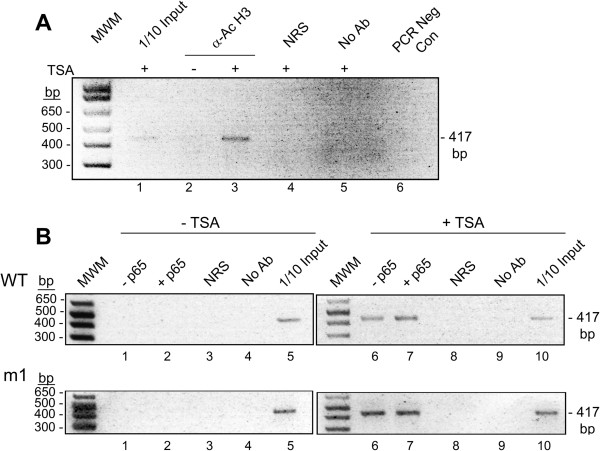
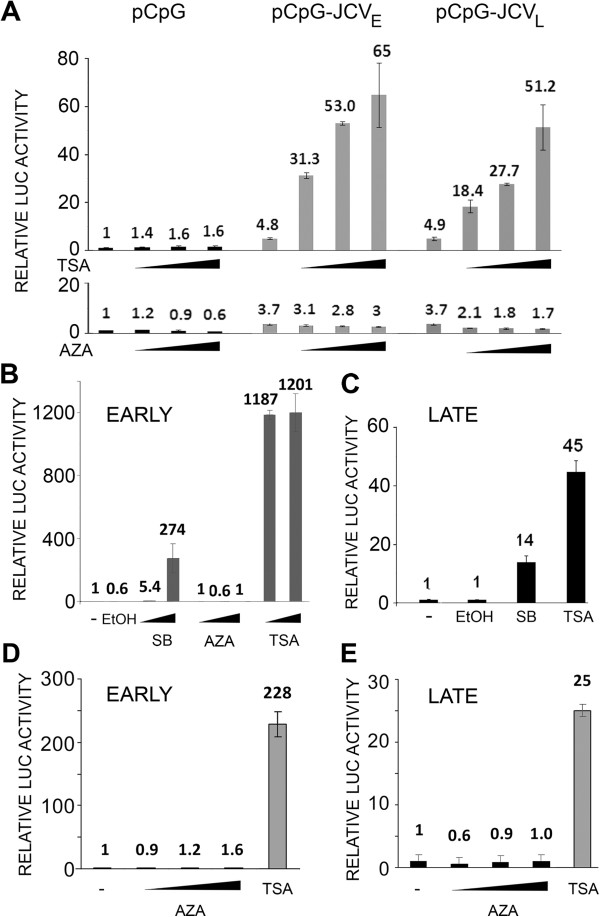
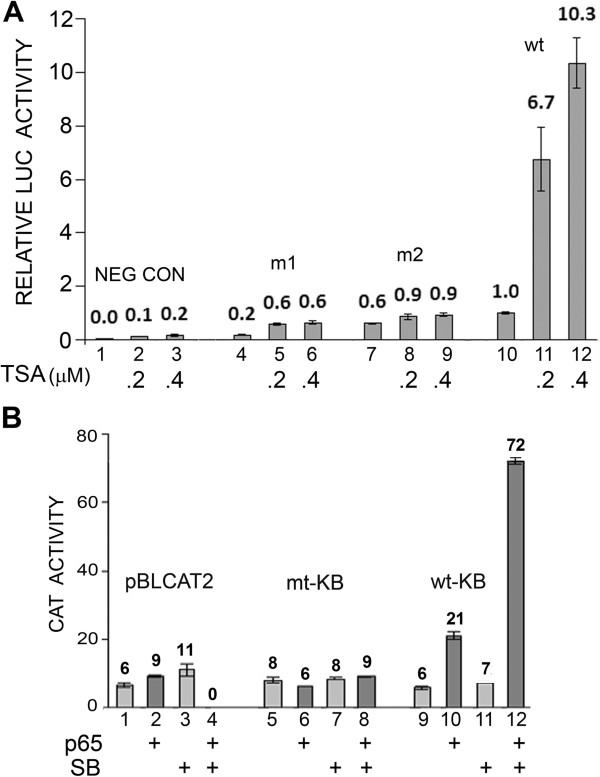
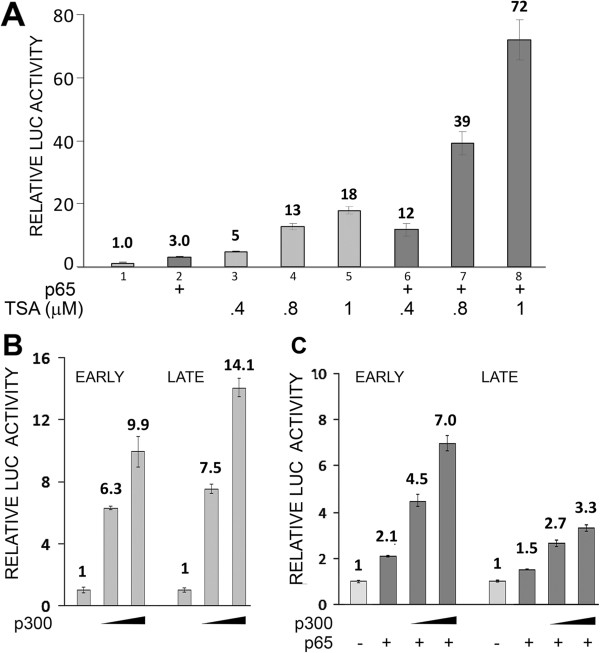
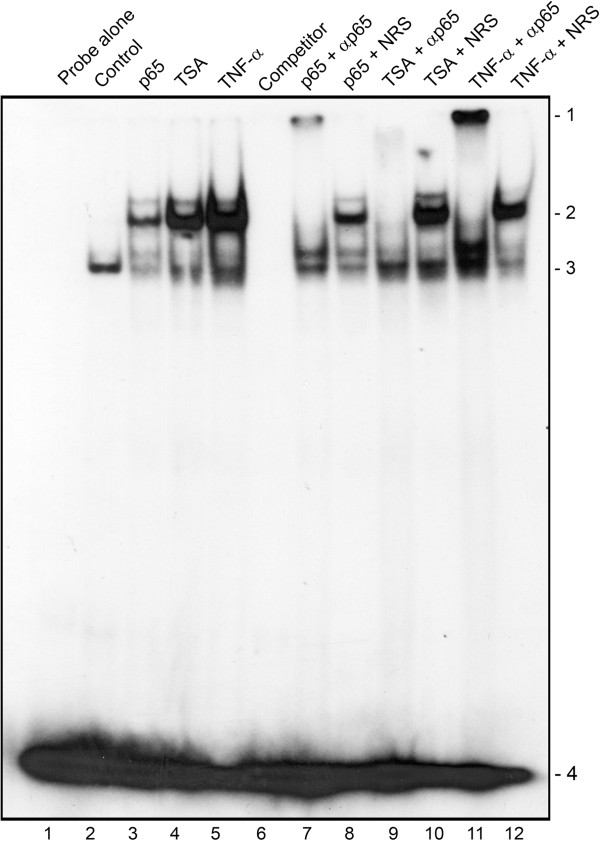
The histone deacetylase inhibitors trichostatin A (TSA) and sodium butyrate powerfully stimulated JCV early and late transcription while the DNA methylation inhibitor 5-azacytidine had no effect. Analysis of JCV mutants showed that this effect was mediated by the KB element of the JCV control region, which binds transcription factors NF-κB p65, NFAT4 and C/EBPβ and mediates stimulation by TNF-α. Stimulation of transcription by p65 was additive with TSA as was cotransfection with transcriptional coactivators/acetyltransferase p300 whereas depletion of endogenous p65 by RNA interference inhibited the effect of TSA. EMSA with a KB oligonucleotide showed p65 expression, TNF-α stimulation or TSA treatment each caused a gel shift that was further shifted by antibody to p65.
We conclude that JCV is regulated epigenetically by protein acetylation events and that these involve the NF-κB p65 binding site in the JCV control region.
多瘤病毒 JC(JCV)会导致中枢神经系统脱髓鞘疾病进行性多灶性白质脑病(PML),这种疾病几乎只发生在免疫功能低下的人群中,如 HIV-1/AIDS 患者。JCV 感染非常普遍,通常在生命早期发生。初次感染后,病毒会被免疫系统控制,但当免疫功能受损时,病毒很少会重新出现并在大脑中的星形胶质细胞和少突胶质细胞中繁殖,导致 PML。因此,PML 发病机制中的一个核心问题是维持 JCV 潜伏状态并允许其重新激活的分子机制的性质。
由于转录可以通过表观遗传机制进行调节,包括 DNA 甲基化和组蛋白乙酰化,我们通过使用表观遗传事件抑制剂来研究它们在 JCV 调节中的作用。
组蛋白去乙酰化酶抑制剂曲古抑菌素 A(TSA)和丁酸钠强力刺激 JCV 的早期和晚期转录,而 DNA 甲基化抑制剂 5-氮杂胞苷没有作用。对 JCV 突变体的分析表明,这种作用是由 JCV 调控区的 KB 元件介导的,该元件结合转录因子 NF-κB p65、NFAT4 和 C/EBPβ,并介导 TNF-α 的刺激。p65 的转录刺激与 TSA 相加,与转录共激活因子/乙酰转移酶 p300 共转染也是如此,而 RNA 干扰耗尽内源性 p65 则抑制 TSA 的作用。KB 寡核苷酸的 EMSA 显示 p65 表达、TNF-α 刺激或 TSA 处理均导致凝胶迁移,而 p65 的抗体进一步改变了迁移。
我们得出结论,JCV 通过蛋白乙酰化事件的表观遗传调节,而这些涉及 JCV 调控区的 NF-κB p65 结合位点。