Institute for Experimental Medical Research, Oslo University Hospital and University of Oslo, Oslo, Norway ; KG Jebsen Cardiac Research Centre and Centre for Heart Failure Research, University of Oslo, Oslo, Norway.
PLoS One. 2013 Aug 16;8(8):e71700. doi: 10.1371/journal.pone.0071700. eCollection 2013.
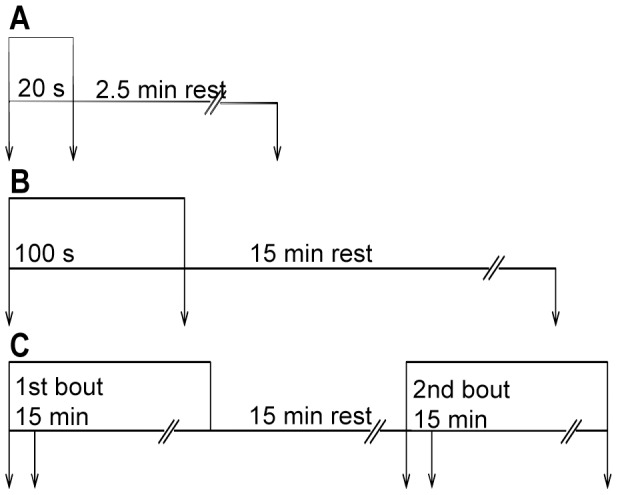
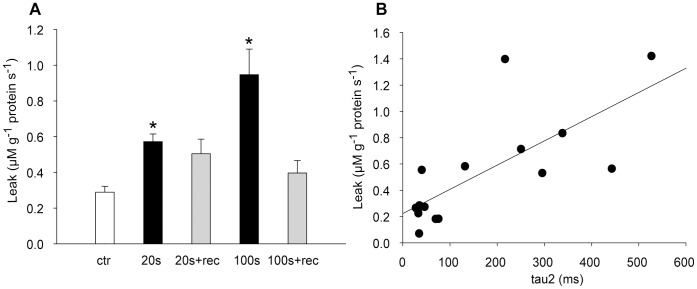
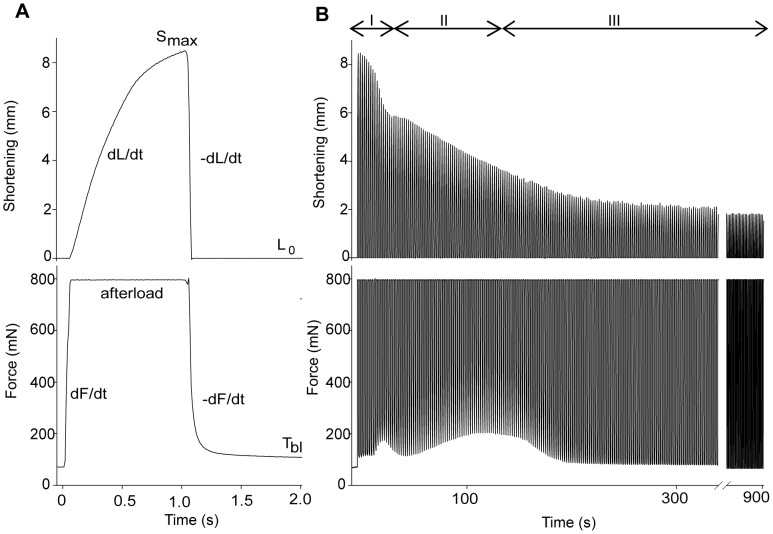
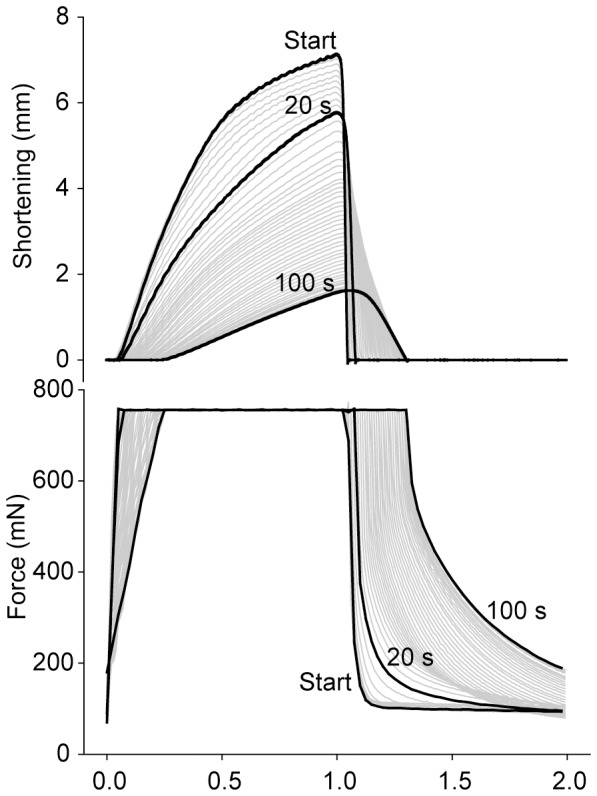
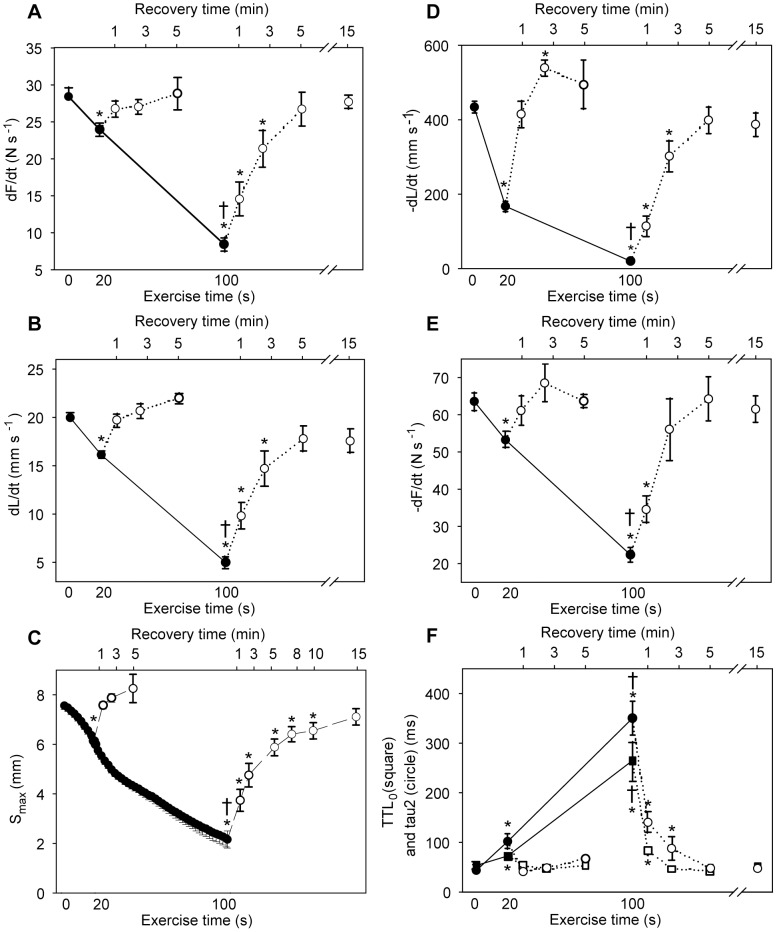
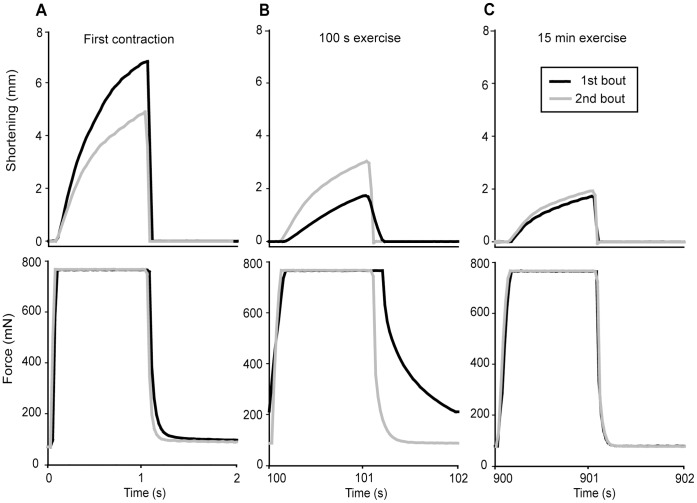
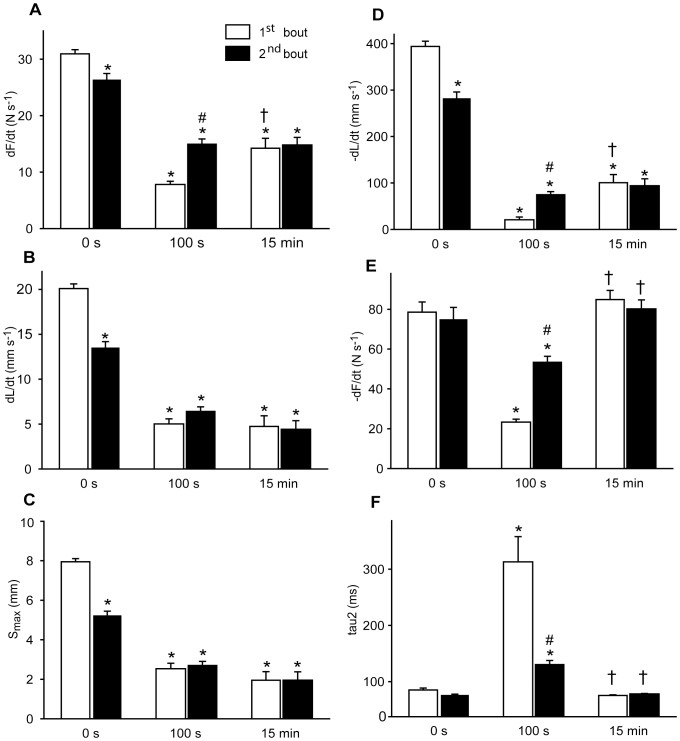
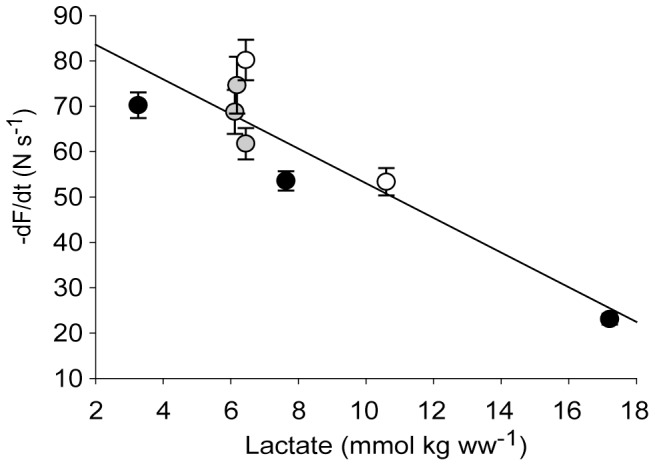
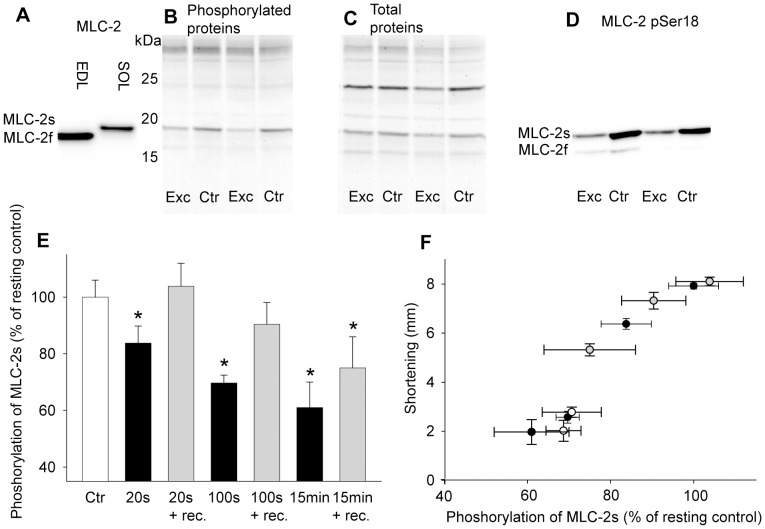
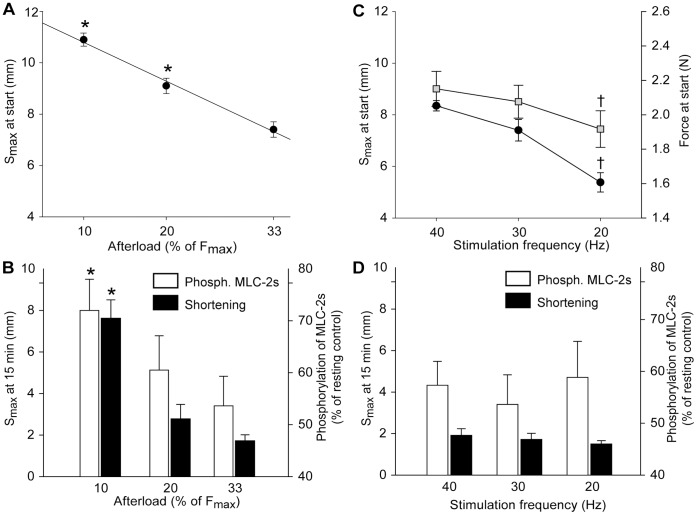
Fatigue in muscles that shorten might have other causes than fatigue during isometric contractions, since both cross-bridge cycling and energy demand are different in the two exercise modes. While isometric contractions are extensively studied, the causes of fatigue in shortening contractions are poorly mapped. Here, we investigate fatigue mechanisms during shortening contractions in slow twitch skeletal muscle in near physiological conditions. Fatigue was induced in rat soleus muscles with maintained blood supply by in situ shortening contractions at 37°C. Muscles were stimulated repeatedly (1 s on/off at 30 Hz) for 15 min against a constant load, allowing the muscle to shorten and perform work. Fatigue and subsequent recovery was examined at 20 s, 100 s and 15 min exercise. The effects of prior exercise were investigated in a second exercise bout. Fatigue developed in three distinct phases. During the first 20 s the regulatory protein Myosin Light Chain-2 (slow isoform, MLC-2s) was rapidly dephosphorylated in parallel with reduced rate of force development and reduced shortening. In the second phase there was degradation of high-energy phosphates and accumulation of lactate, and these changes were related to slowing of muscle relengthening and relaxation, culminating at 100 s exercise. Slowing of relaxation was also associated with increased leak of calcium from the SR. During the third phase of exercise there was restoration of high-energy phosphates and elimination of lactate, and the slowing of relaxation disappeared, whereas dephosphorylation of MLC-2s and reduced shortening prevailed. Prior exercise improved relaxation parameters in a subsequent exercise bout, and we propose that this effect is a result of less accumulation of lactate due to more rapid onset of oxidative metabolism. The correlation between dephosphorylation of MLC-2s and reduced shortening was confirmed in various experimental settings, and we suggest MLC-2s as an important regulator of muscle shortening.
在等长收缩中疲劳的肌肉可能有不同于等长收缩的其他原因,因为两种运动模式下的交联循环和能量需求都不同。虽然等长收缩已经得到了广泛的研究,但缩短收缩疲劳的原因还不清楚。在这里,我们在接近生理条件下研究了慢肌纤维在缩短收缩时的疲劳机制。通过在 37°C 下进行原位缩短收缩来保持血液供应,从而在大鼠比目鱼肌中诱导疲劳。肌肉被反复刺激(30 Hz 时 1 秒 ON/OFF),以恒定负荷进行 15 分钟的收缩,使肌肉缩短并做功。在 20 秒、100 秒和 15 分钟运动时检查疲劳和随后的恢复情况。在第二次运动中研究了之前运动的影响。疲劳分为三个不同的阶段发展。在最初的 20 秒内,调节蛋白肌球蛋白轻链-2(慢型同工酶,MLC-2s)迅速去磷酸化,同时力的发展速度和缩短速度降低。在第二阶段,高能磷酸化合物降解,乳酸积累,这些变化与肌肉再紧张和松弛速度减慢有关,在 100 秒运动时达到顶峰。松弛速度的减慢也与 SR 中钙的泄漏增加有关。在运动的第三阶段,高能磷酸化合物得到恢复,乳酸被消除,松弛速度减慢消失,而 MLC-2s 的去磷酸化和缩短减少仍然存在。之前的运动在随后的运动中改善了松弛参数,我们提出这是由于氧化代谢更快地开始,导致乳酸积累减少的结果。在各种实验条件下,MLC-2s 的去磷酸化与缩短减少之间的相关性得到了证实,我们认为 MLC-2s 是肌肉缩短的一个重要调节因子。