Assadollahi Vahideh, Parivar Kazem, Roudbari Nasim Hayati, Khalatbary Ali Reza, Motamedi Masoumeh, Ezatpour Behrouz, Dashti Gholam Reza
Razi Herbal Medicines Research Center, Lorestan University of Medical sciences, Khorramabad, Iran.
Adv Biomed Res. 2013 Mar 6;2:25. doi: 10.4103/2277-9175.108001. eCollection 2013.
Acute promyelocytic leukemia (APL) is an acute leukemia diagnosed by translocation of chromosomes 15 and 17 [T (15,17)] and aggregation of neoplastic promyelocytes which are incapable of being converted into mature cells. Today, many tend to use medicinal herbs in studies and clinical applications for treatment of cancers. Cinnamon with scientific name "cinnamomumzelanicum" is a shrub of Laurales order, lauraceae family with cinnamomum genus. It is a medicinal shrub with anti-proliferation effect on tumor cells. This study was conducted to determine the effects of aqueous cinnamon extract on HL-60 cells as a model for APL.
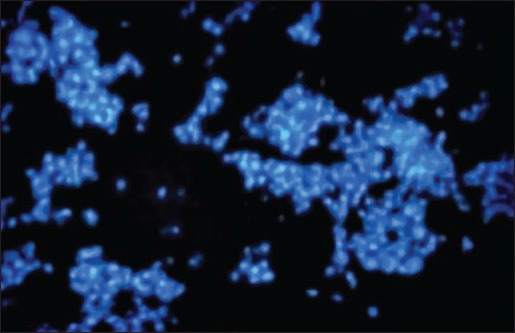
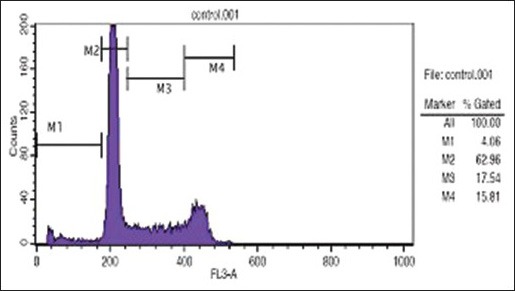
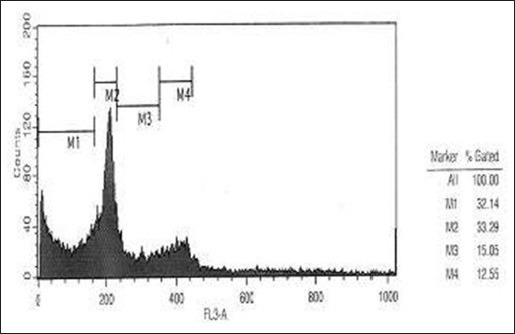
In this in vitro experimental study, HL-60 cell line was cultured under the influence of cinnamon extract's concentrations of 0.01, 0.1, 1, and 2 mg/ml in with intervals of 24, 48, and 72 h. Growth inhibition and toxic effects of cinnamon extract were evaluated through tetrazolium salt reduction. The effect of this herb on the cell cycle was studied by flow cytometry. The Hoechst stain was used to detect apoptotic cell nuclei.
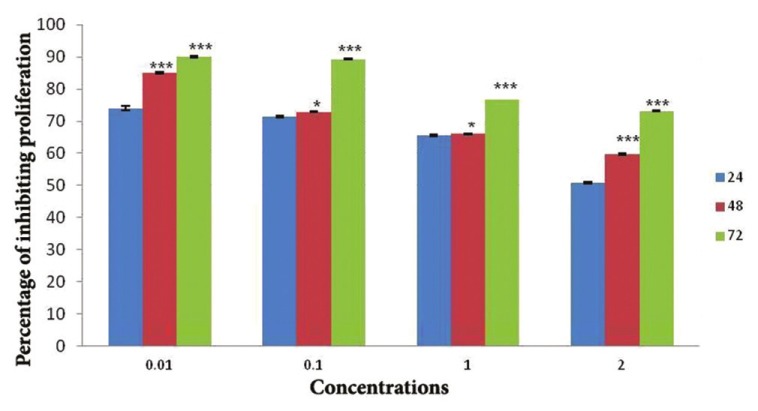
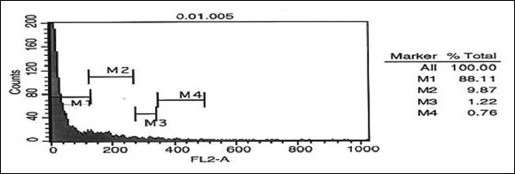
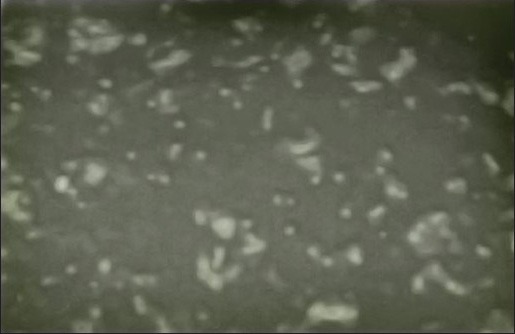
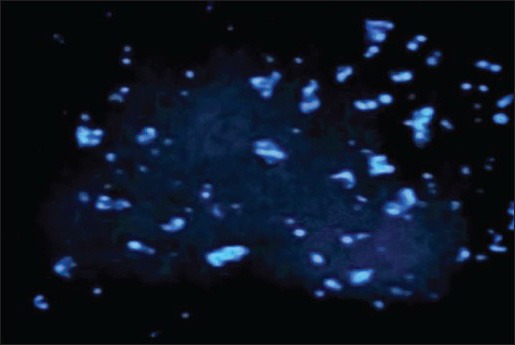
Cinnamon extract inhibited the growth of HL-60 cells as correlated with concentration and time. After 72 h of treating HL-60 cells with 0.01 mg/l cinnamon extract, the growth of cells was inhibited by 90.1%. Cinnamon extract stopped the cell cycle in G1 phase and the Hoechst staining verified the apoptotic process in those cells.
Considering the inhibitory property of cinnamon extract, we recommend it as a single drug or besides other medications for treating promyelocytic leukemia.
急性早幼粒细胞白血病(APL)是一种通过15号和17号染色体易位[T(15,17)]以及肿瘤性早幼粒细胞聚集而诊断的急性白血病,这些肿瘤性早幼粒细胞无法转化为成熟细胞。如今,许多人倾向于在癌症治疗的研究和临床应用中使用草药。学名为“cinnamomumzelanicum”的肉桂是樟目樟科樟属的一种灌木。它是一种对肿瘤细胞具有抗增殖作用的药用灌木。本研究旨在确定肉桂水提取物对作为APL模型的HL-60细胞的影响。
在这项体外实验研究中,HL-60细胞系在浓度为0.01、0.1、1和2mg/ml的肉桂提取物影响下培养,培养时间间隔为24、48和72小时。通过四唑盐还原法评估肉桂提取物的生长抑制和毒性作用。通过流式细胞术研究这种草药对细胞周期的影响。使用Hoechst染色检测凋亡细胞核。
肉桂提取物抑制HL-60细胞的生长,且与浓度和时间相关。用0.01mg/l肉桂提取物处理HL-60细胞72小时后,细胞生长受到90.1%的抑制。肉桂提取物使细胞周期停滞在G1期,Hoechst染色证实了这些细胞中的凋亡过程。
考虑到肉桂提取物的抑制特性,我们推荐将其作为单一药物或与其他药物联合用于治疗早幼粒细胞白血病。