Department of Epidemiology and Biostatistics, School of Public Health, University at Albany, NY 12144, USA.
Sci Rep. 2013;3:2407. doi: 10.1038/srep02407.
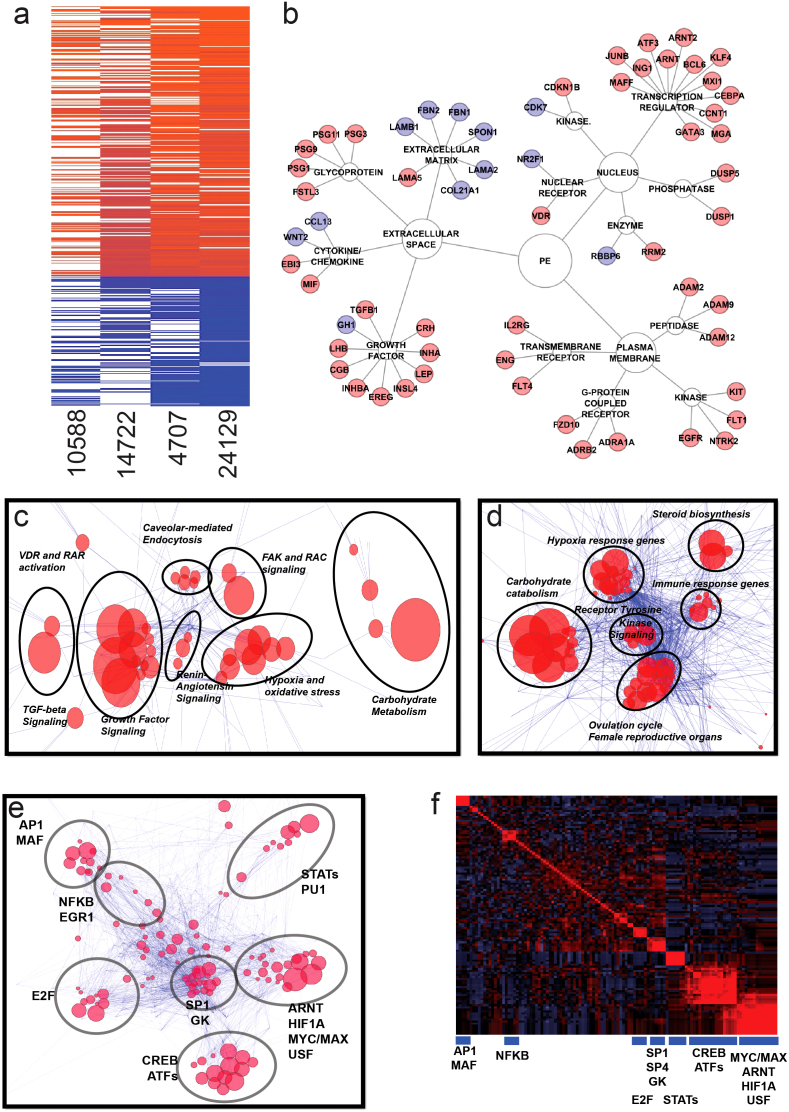
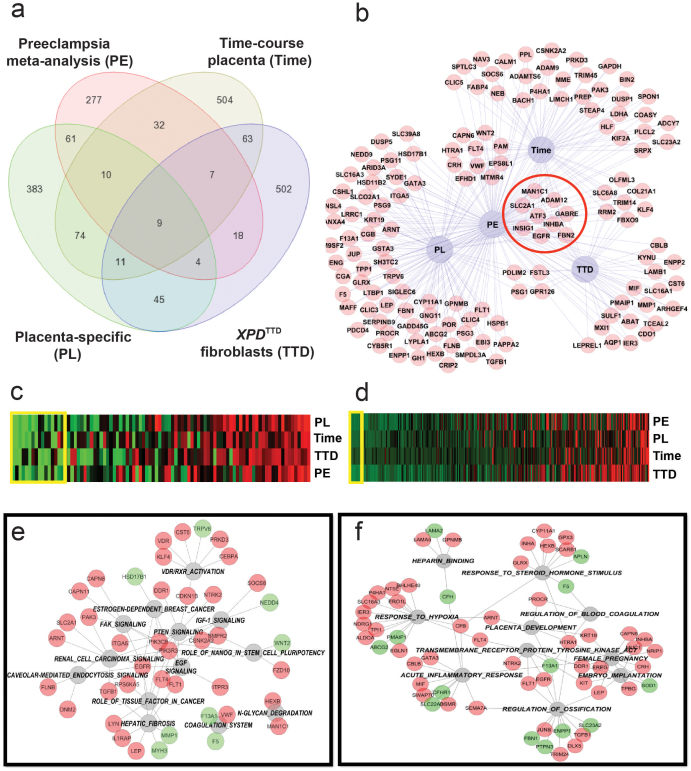
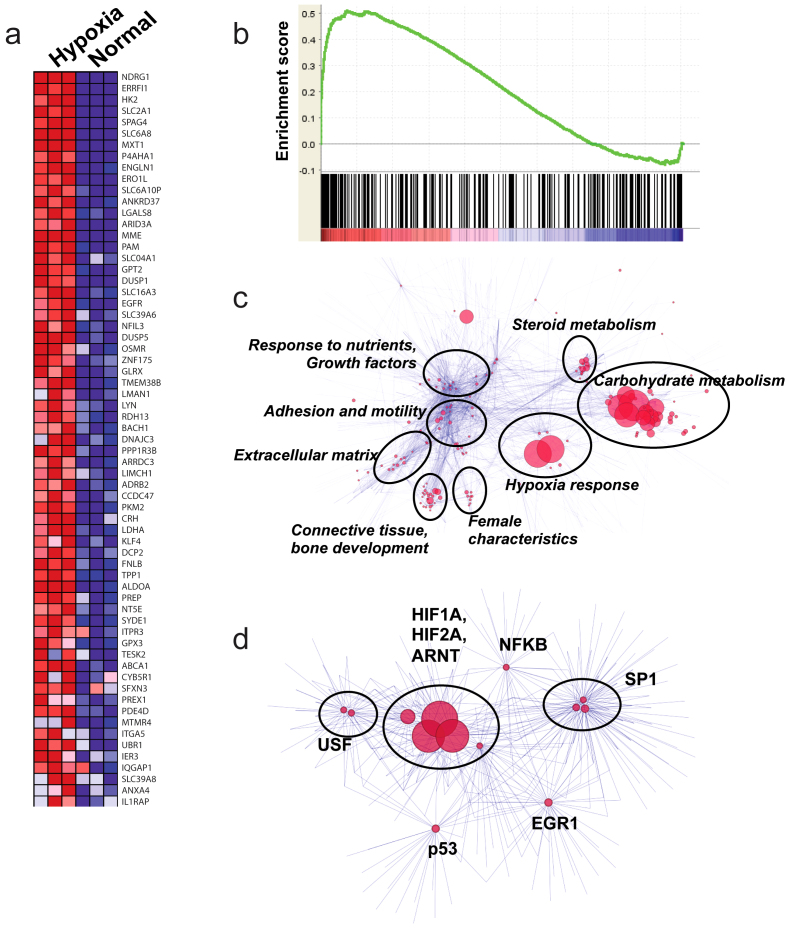
We previously suggested links between specific XPD mutations in the fetal genome and the risk of placental maldevelopment and preeclampsia, possibly due to impairment of Transcription Factor (TF)IIH-mediated functions in placenta. To identify the underlying mechanisms, we conducted the current integrative analysis of several relevant transcriptome data sources. Our meta-analysis revealed downregulation of TFIIH subunits in preeclamptic placentas. Our overall integrative analysis suggested that, in the presence of hypoxia and oxidative stress, EGFR signaling deficiency, which can be caused by TFIIH impairment as well as by other mechanisms, results in ATF3 upregulation, inducing mediators of clinical symptoms of preeclampsia such as FLT1 and ENG. EGFR- and ATF3-dependent pathways play prominent roles in cancer development. We propose that dysregulation of these canonical cancer molecular pathways occurs in preeclampsia and delineate the relevance of TFIIH, providing etiologic clues which could eventually translate into a therapeutic approach.
我们之前曾提出,胎儿基因组中特定 XPD 突变与胎盘发育不良和子痫前期的风险之间存在关联,这可能是由于胎盘转录因子 (TF) IIH 介导的功能受损所致。为了确定潜在的机制,我们对几个相关转录组数据源进行了综合分析。我们的荟萃分析显示,子痫前期胎盘中的 TFIIH 亚基下调。我们的整体综合分析表明,在缺氧和氧化应激的情况下,由于 TFIIH 受损以及其他机制引起的 EGFR 信号通路缺陷会导致 ATF3 上调,从而诱导子痫前期的临床症状的介质,如 FLT1 和 ENG。EGFR 和 ATF3 依赖性通路在癌症发展中发挥着重要作用。我们提出,这些经典的癌症分子通路在子痫前期中失调,并描述了 TFIIH 的相关性,提供了可能最终转化为治疗方法的病因线索。