Shandong Provincial Key Laboratory of Ruminant Nutritional Physiology, College of Animal Science and Veterinary Medicine, Shandong Agricultural University, Taian, China.
PLoS One. 2013 Aug 21;8(8):e70393. doi: 10.1371/journal.pone.0070393. eCollection 2013.
Lactogenesis includes two stages. Stage I begins a few weeks before parturition. Stage II is initiated around the time of parturition and extends for several days afterwards.
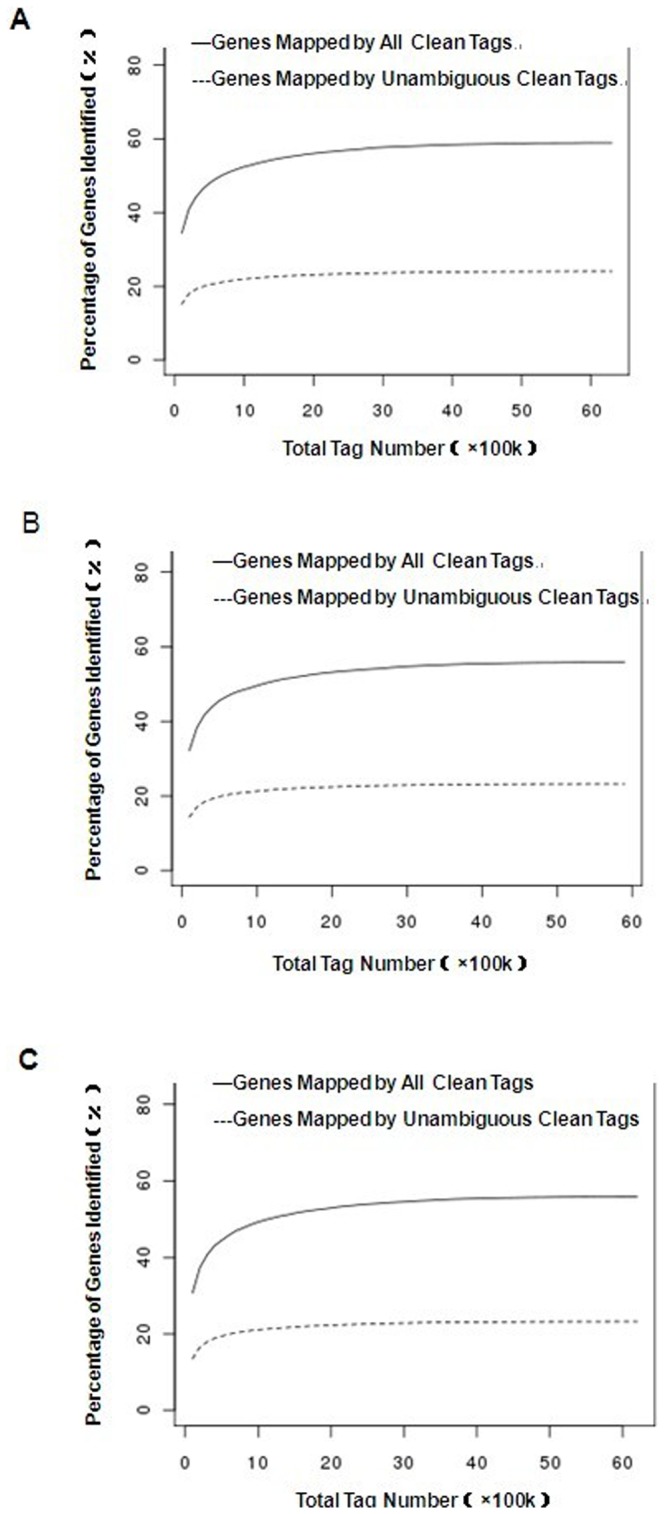
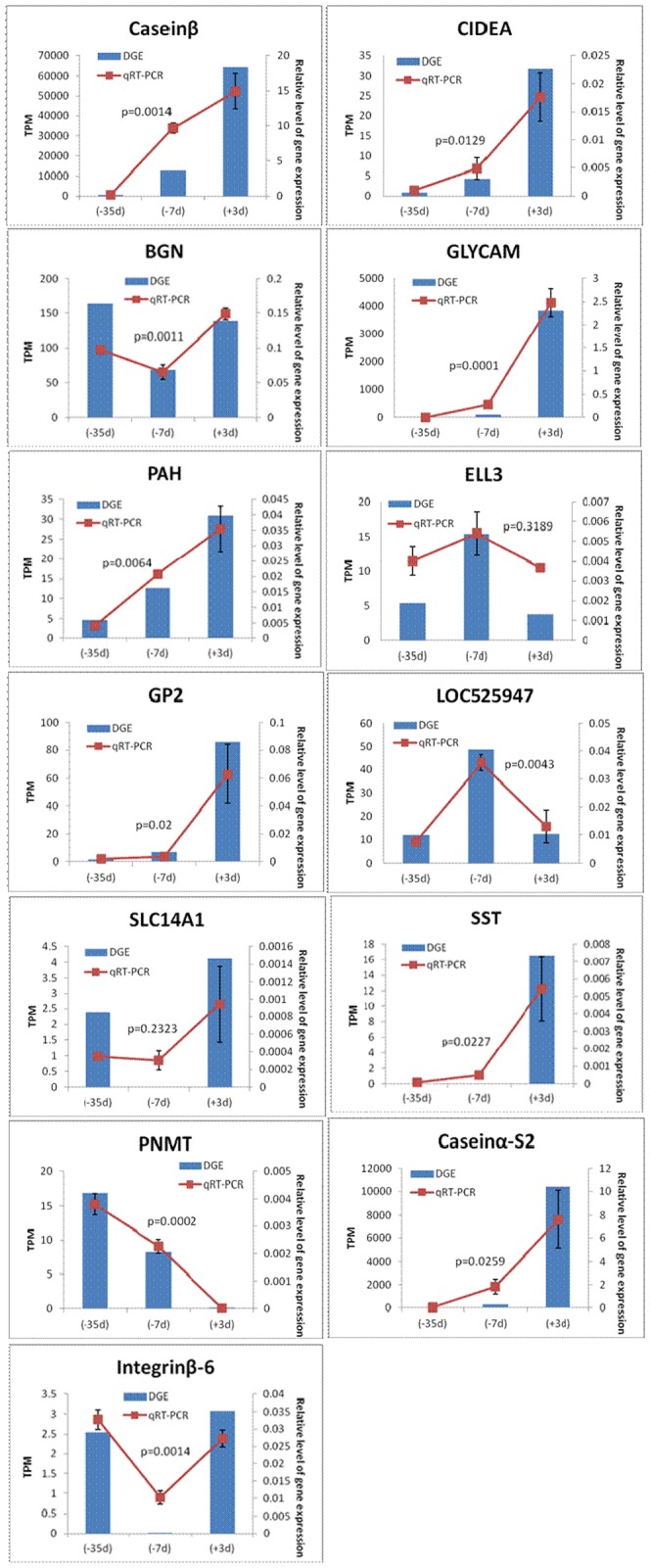
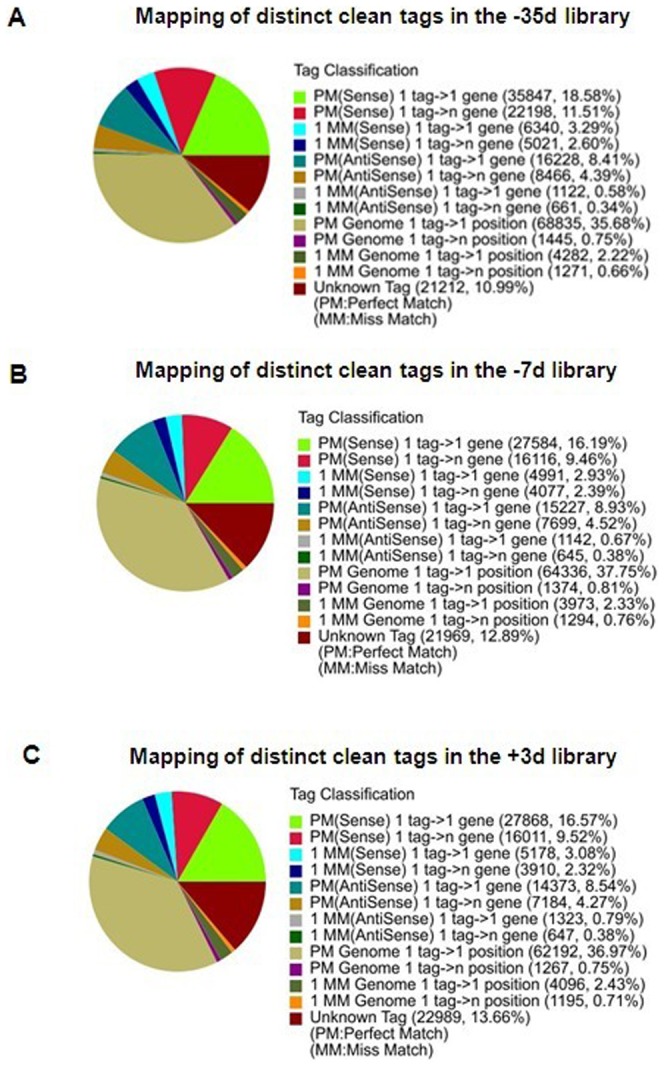
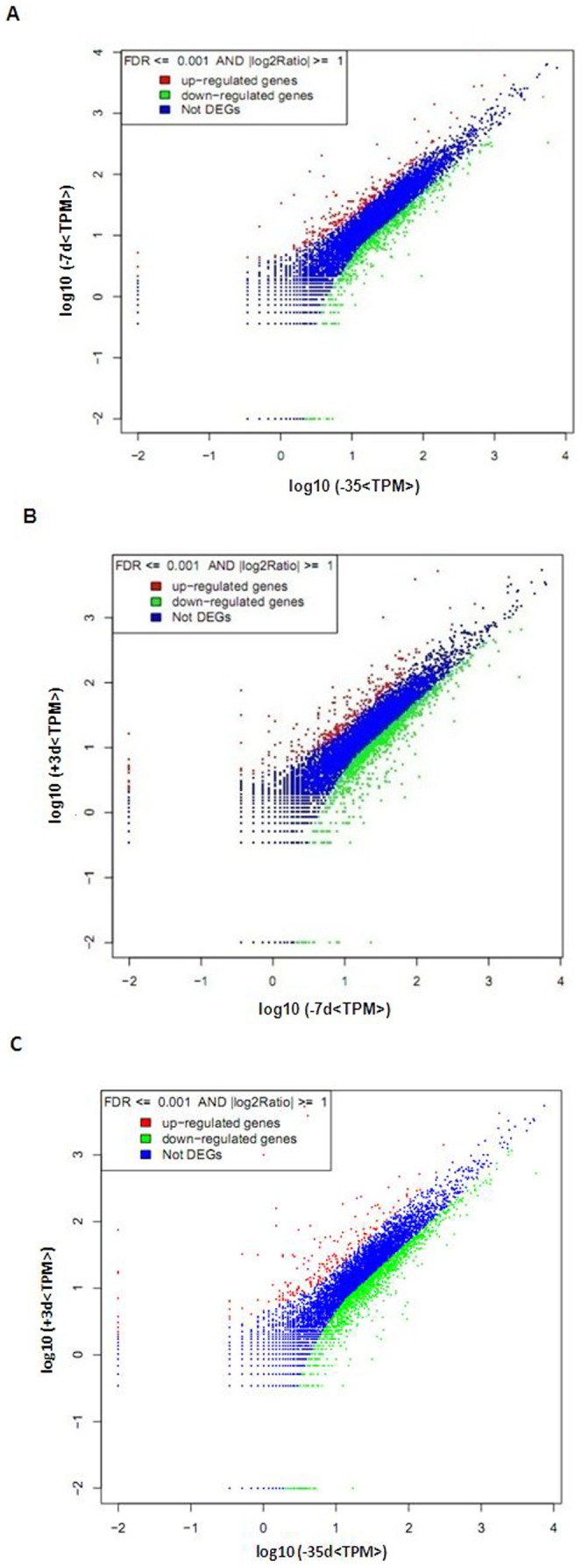
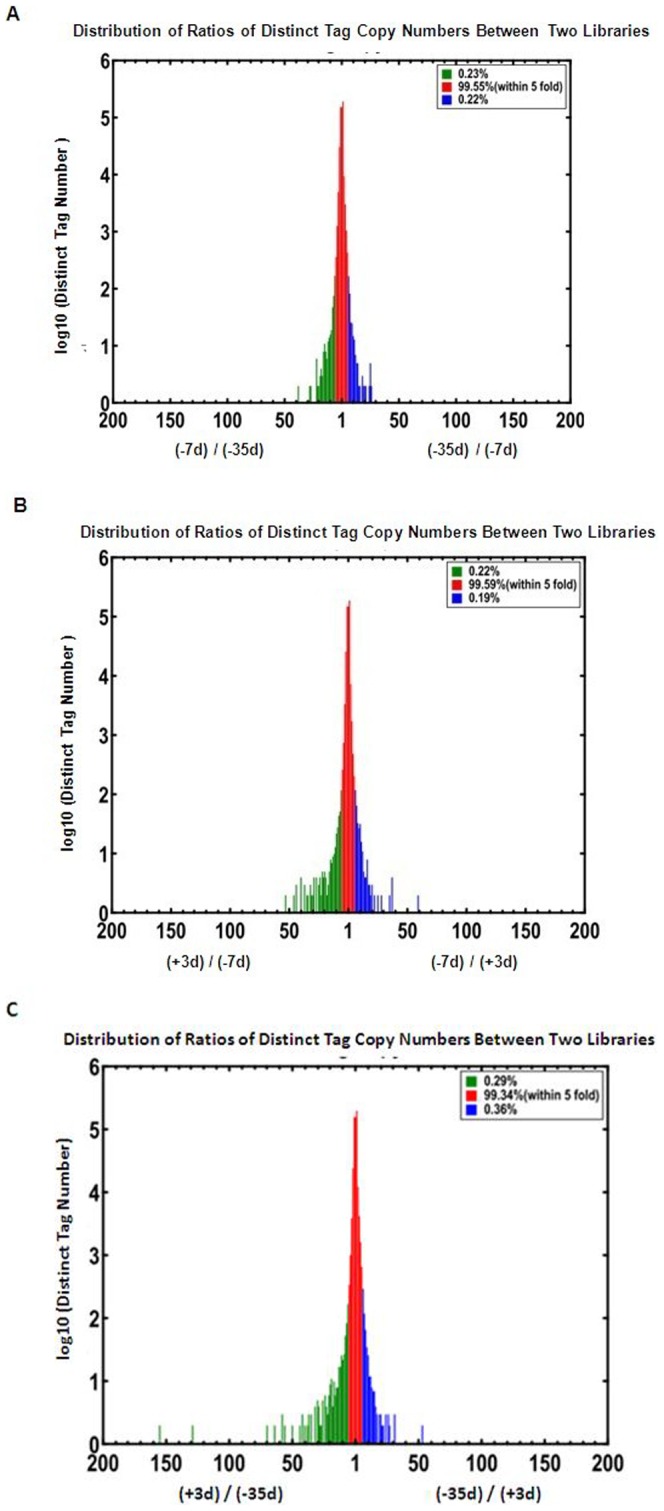
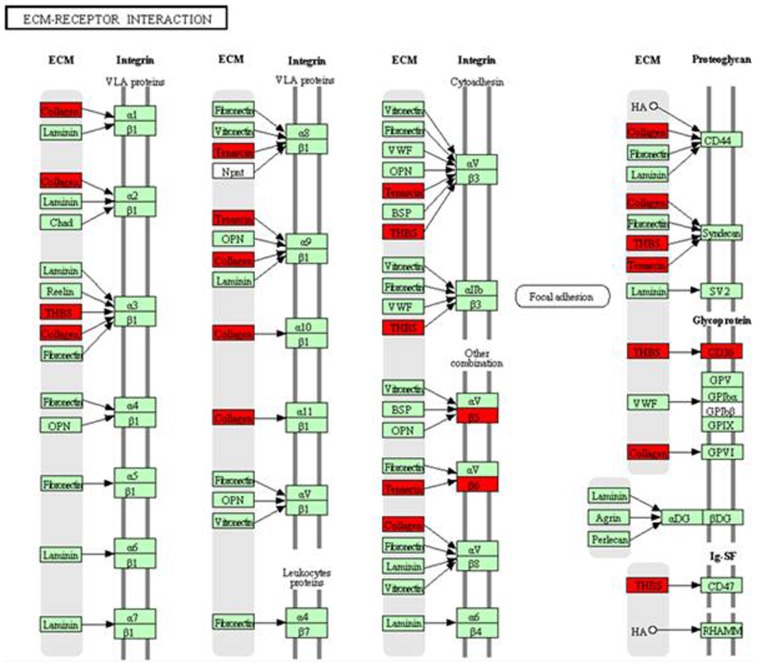
METHODOLOGY/PRINCIPAL FINDINGS: To better understand the molecular events underlying these changes, genome-wide gene expression profiling was conducted using digital gene expression (DGE) on bovine mammary tissue at three time points (on approximately day 35 before parturition (-35 d), day 7 before parturition (-7 d) and day 3 after parturition (+3 d)). Approximately 6.2 million (M), 5.8 million (M) and 6.1 million (M) 21-nt cDNA tags were sequenced in the three cDNA libraries (-35 d, -7 d and +3 d), respectively. After aligning to the reference sequences, the three cDNA libraries included 8,662, 8,363 and 8,359 genes, respectively. With a fold change cutoff criteria of ≥ 2 or ≤-2 and a false discovery rate (FDR) of ≤ 0.001, a total of 812 genes were significantly differentially expressed at -7 d compared with -35 d (stage I). Gene ontology analysis showed that those significantly differentially expressed genes were mainly associated with cell cycle, lipid metabolism, immune response and biological adhesion. A total of 1,189 genes were significantly differentially expressed at +3 d compared with -7 d (stage II), and these genes were mainly associated with the immune response and cell cycle. Moreover, there were 1,672 genes significantly differentially expressed at +3 d compared with -35 d. Gene ontology analysis showed that the main differentially expressed genes were those associated with metabolic processes.
The results suggest that the mammary gland begins to lactate not only by a gain of function but also by a broad suppression of function to effectively push most of the cell's resources towards lactation.
泌乳包括两个阶段。第一阶段在分娩前几周开始。第二阶段在分娩时开始,并持续数天。
方法/主要发现:为了更好地了解这些变化背后的分子事件,我们使用数字基因表达(DGE)在牛乳腺组织上进行了全基因组基因表达谱分析,在三个时间点(大约在分娩前 35 天(-35d)、分娩前 7 天(-7d)和分娩后 3 天(+3d))。在三个 cDNA 文库(-35d、-7d 和+3d)中分别对约 620 万(M)、580 万(M)和 610 万(M)的 21-nt cDNA 标签进行了测序。在将这些标签与参考序列对齐后,三个 cDNA 文库分别包含 8662、8363 和 8359 个基因。使用 fold change 截止标准为≥2 或≤-2,错误发现率(FDR)≤0.001,共有 812 个基因在-7d 时与-35d(第一阶段)相比差异显著表达。GO 分析表明,这些差异显著表达的基因主要与细胞周期、脂质代谢、免疫反应和生物粘附有关。在+3d 时,与-7d(第二阶段)相比,共有 1189 个基因差异显著表达,这些基因主要与免疫反应和细胞周期有关。此外,与-35d 相比,在+3d 时还有 1672 个基因差异显著表达。GO 分析表明,主要差异表达的基因是与代谢过程相关的基因。
研究结果表明,乳腺不仅通过功能获得,而且通过广泛抑制功能开始泌乳,有效地将细胞的大部分资源推向泌乳。