Oral Health Cooperative Research Centre, Melbourne Dental School, Bio21 Institute, The University of Melbourne, Victoria, Australia.
PLoS One. 2013 Aug 26;8(8):e71727. doi: 10.1371/journal.pone.0071727. eCollection 2013.
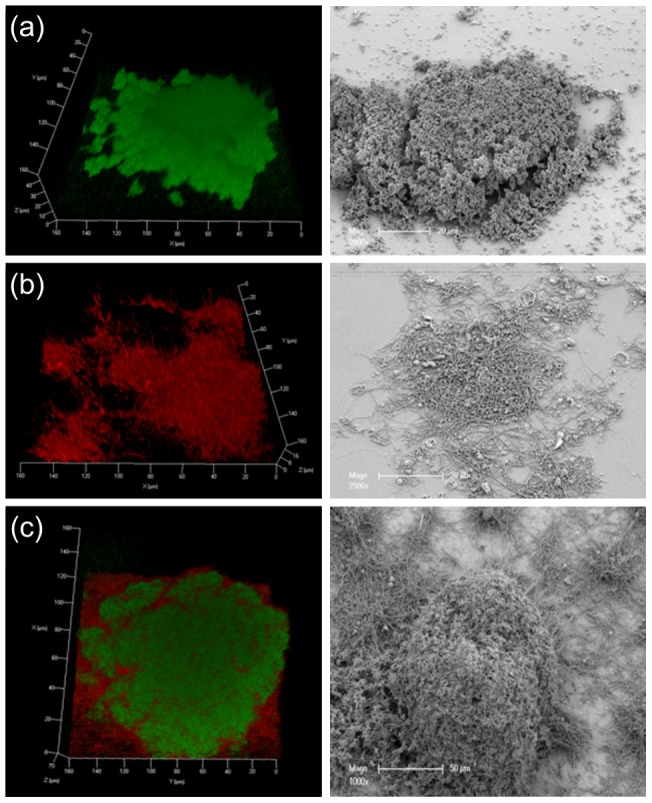
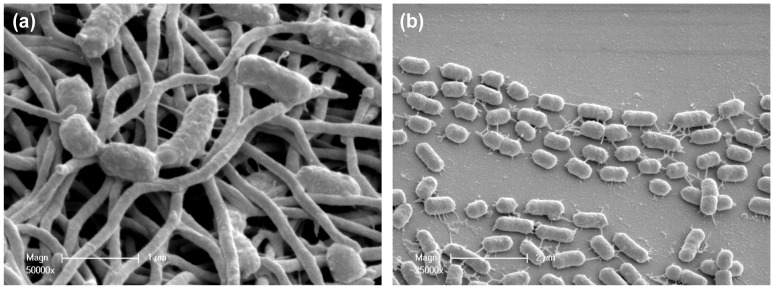
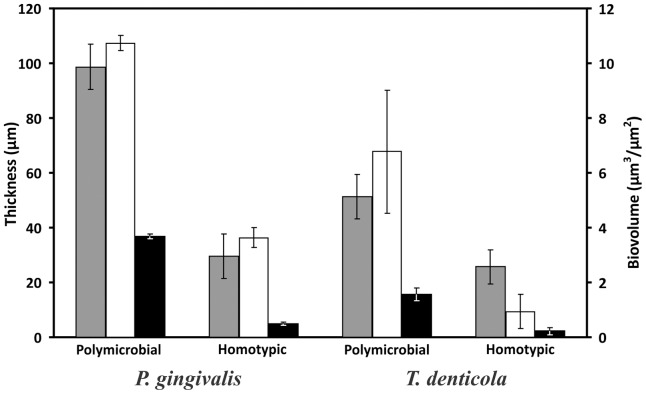
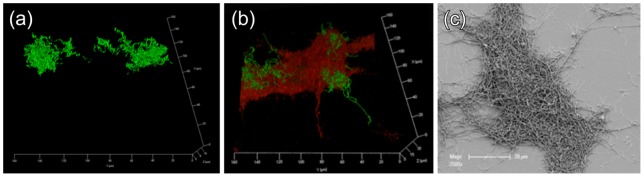
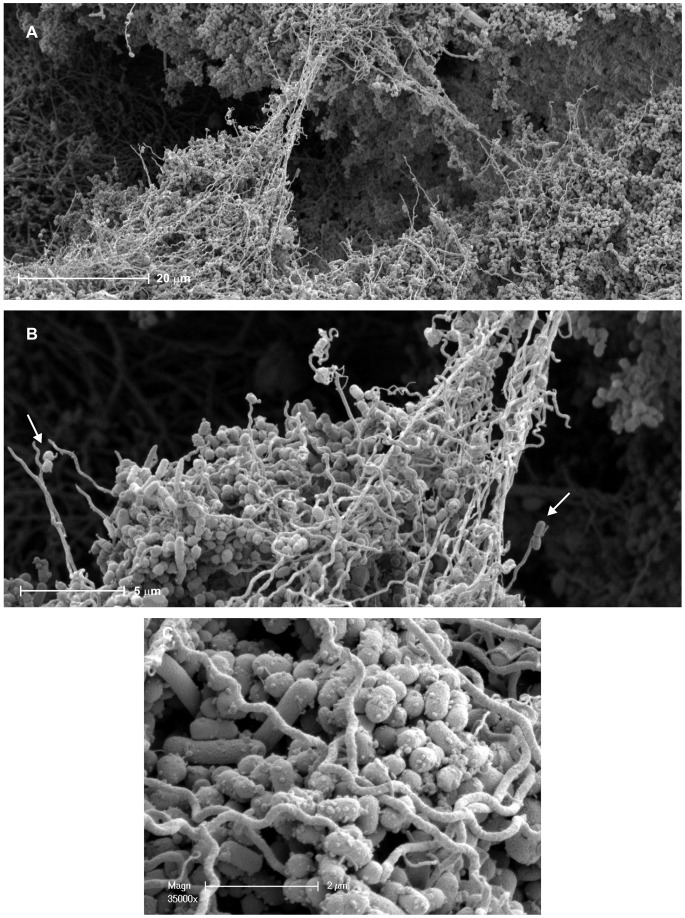
Chronic periodontitis has a polymicrobial biofilm aetiology and interactions between key bacterial species are strongly implicated as contributing to disease progression. Porphyromonas gingivalis, Treponema denticola and Tannerella forsythia have all been implicated as playing roles in disease progression. P. gingivalis cell-surface-located protease/adhesins, the gingipains, have been suggested to be involved in its interactions with several other bacterial species. The aims of this study were to determine polymicrobial biofilm formation by P. gingivalis, T. denticola and T. forsythia, as well as the role of P. gingivalis gingipains in biofilm formation by using a gingipain null triple mutant. To determine homotypic and polymicrobial biofilm formation a flow cell system was employed and the biofilms imaged and quantified by fluorescent in situ hybridization using DNA species-specific probes and confocal scanning laser microscopy imaging. Of the three species, only P. gingivalis and T. denticola formed mature, homotypic biofilms, and a strong synergy was observed between P. gingivalis and T. denticola in polymicrobial biofilm formation. This synergy was demonstrated by significant increases in biovolume, average biofilm thickness and maximum biofilm thickness of both species. In addition there was a morphological change of T. denticola in polymicrobial biofilms when compared with homotypic biofilms, suggesting reduced motility in homotypic biofilms. P. gingivalis gingipains were shown to play an essential role in synergistic polymicrobial biofilm formation with T. denticola.
慢性牙周炎具有多微生物生物膜的病因学,关键细菌物种之间的相互作用被强烈认为是导致疾病进展的原因。牙龈卟啉单胞菌、密螺旋体和福赛斯坦纳菌都被认为在疾病进展中发挥作用。牙龈卟啉单胞菌细胞表面定位的蛋白酶/黏附素——牙龈蛋白酶,被认为参与了其与其他几种细菌的相互作用。本研究的目的是确定牙龈卟啉单胞菌、密螺旋体和福赛斯坦纳菌的多微生物生物膜形成,以及牙龈蛋白酶在牙龈卟啉单胞菌生物膜形成中的作用,使用牙龈蛋白酶缺失三重突变体。为了确定同型和多微生物生物膜的形成,采用了流动池系统,并使用 DNA 种特异性探针的荧光原位杂交和共聚焦扫描激光显微镜成像对生物膜进行成像和定量。在这三种物种中,只有牙龈卟啉单胞菌和密螺旋体形成了成熟的同型生物膜,并且在多微生物生物膜形成中观察到牙龈卟啉单胞菌和密螺旋体之间存在强烈的协同作用。这种协同作用通过两种物种的生物体积、平均生物膜厚度和最大生物膜厚度的显著增加得到了证明。此外,与同型生物膜相比,多微生物生物膜中的密螺旋体形态发生了变化,表明同型生物膜中的运动性降低。牙龈卟啉单胞菌的牙龈蛋白酶被证明在与密螺旋体的协同多微生物生物膜形成中起着至关重要的作用。