*Pediatric Oncology Branch, National Cancer Institute, Bethesda, MD †Department of Pediatrics, Division of Pediatric Hematology/Oncology, MedStar Georgetown University Hospital, Washington, DC ‡Department of Biochemistry, Tufts University School of Medicine, Boston, MA.
J Immunother. 2013 Oct;36(8):400-11. doi: 10.1097/CJI.0b013e3182a80213.
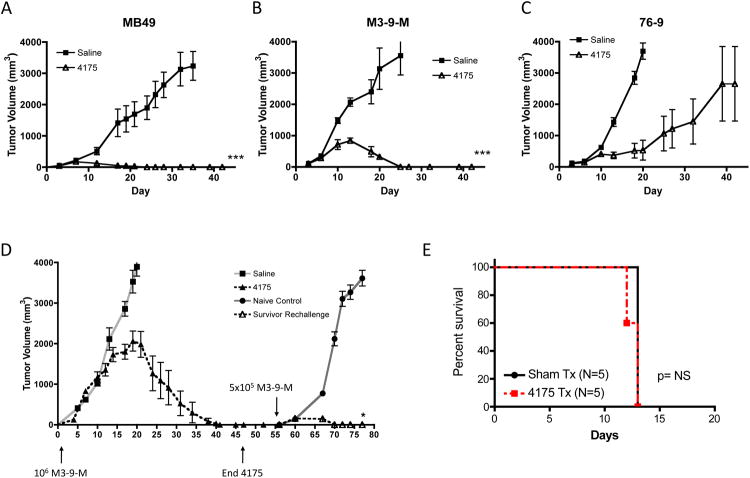
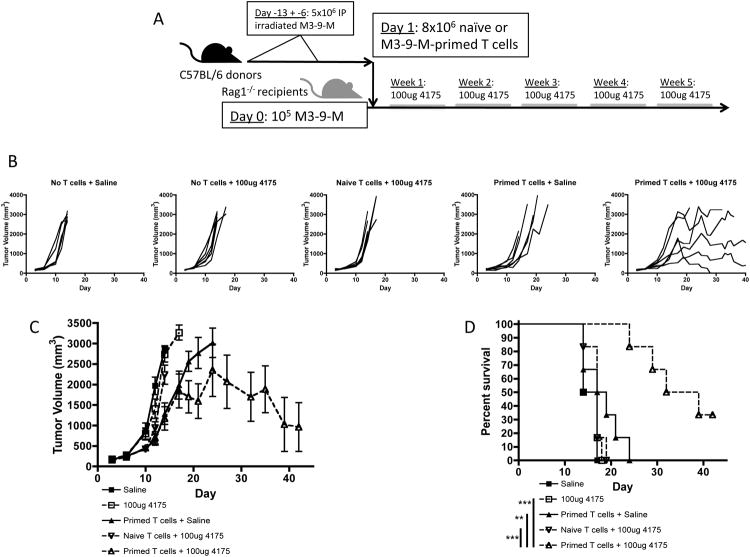
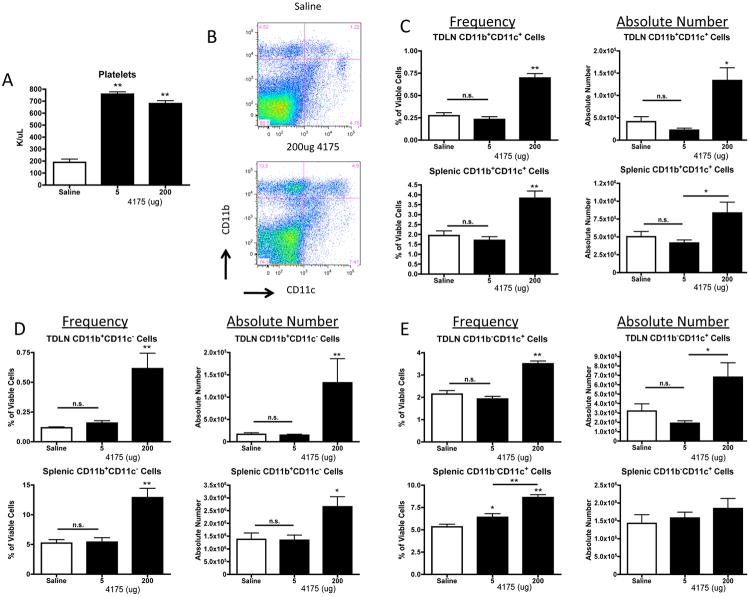
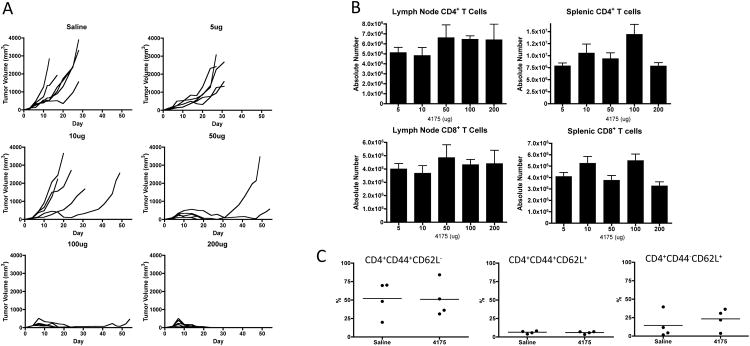
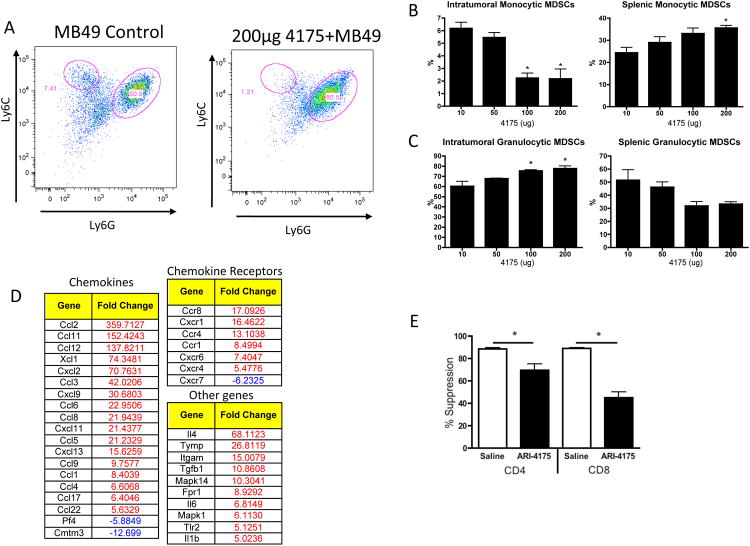
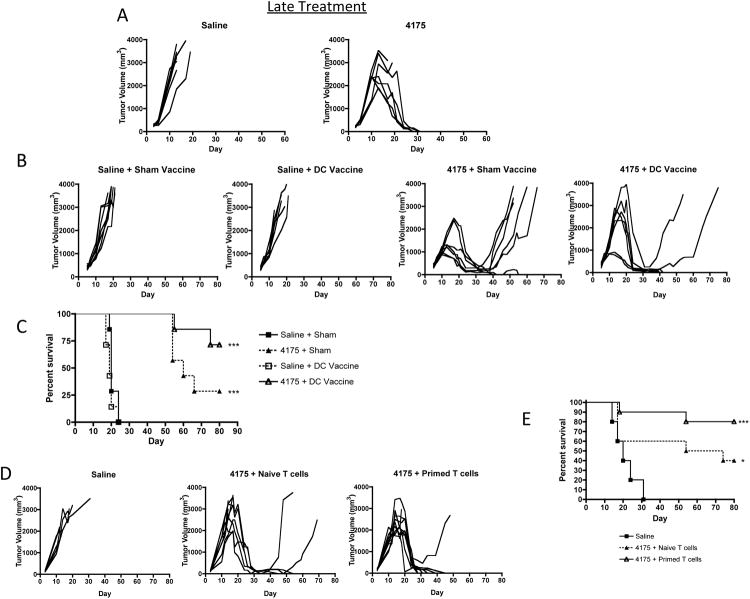
Multimodality therapy consisting of surgery, chemotherapy, and radiation will fail in approximately 40% of patients with pediatric sarcomas and result in substantial long-term morbidity in those who are cured. Immunotherapeutic regimens for the treatment of solid tumors typically generate antigen-specific responses too weak to overcome considerable tumor burden and tumor suppressive mechanisms and are in need of adjuvant assistance. Previous work suggests that inhibitors of DASH (dipeptidyl peptidase IV activity and/or structural homologs) enzymes can mediate tumor regression by immune-mediated mechanisms. Herein, we demonstrate that the DASH inhibitor, ARI-4175, can induce regression and eradication of well-established solid tumors, both as a single agent and as an adjuvant to a dendritic cell (DC) vaccine and adoptive cell therapy (ACT) in mice implanted with the M3-9-M rhabdomyosarcoma cell line. Treatment with effective doses of ARI-4175 correlated with recruitment of myeloid (CD11b) cells, particularly myeloid DCs, to secondary lymphoid tissues and with reduced frequency of intratumoral monocytic (CD11bLy6-CLy6-G) myeloid-derived suppressor cells. In immunocompetent mice, combining ARI-4175 with a DC vaccine or ACT with tumor-primed T cells produced significant improvements in tumor responses against well-established M3-9-M tumors. In M3-9-M-bearing immunodeficient (Rag1) mice, ACT combined with ARI-4175 produced greater tumor responses and significantly improved survival compared with either treatment alone. These studies warrant the clinical investigation of ARI-4175 for treatment of sarcomas and other malignancies, particularly as an adjuvant to tumor vaccines and ACT.
多模式疗法包括手术、化疗和放疗,约 40%的儿科肉瘤患者会失败,并导致治愈患者出现大量长期的发病率。用于治疗实体瘤的免疫治疗方案通常产生的抗原特异性反应太弱,无法克服相当大的肿瘤负担和肿瘤抑制机制,需要辅助帮助。以前的工作表明,DASH(二肽基肽酶 IV 活性和/或结构同源物)酶抑制剂可以通过免疫介导的机制介导肿瘤消退。本文中,我们证明 DASH 抑制剂 ARI-4175 可以单独作为一种药物,也可以作为树突状细胞 (DC) 疫苗和过继细胞疗法 (ACT) 的佐剂,诱导已建立的实体瘤消退和根除,在植入 M3-9-M 横纹肌肉瘤细胞系的小鼠中。用有效剂量的 ARI-4175 治疗与髓样 (CD11b) 细胞,特别是髓样树突状细胞向次级淋巴组织的募集以及肿瘤内单核细胞 (CD11bLy6-CLy6-G) 髓源抑制细胞频率的降低相关。在免疫功能正常的小鼠中,将 ARI-4175 与 DC 疫苗或带有肿瘤预致敏 T 细胞的 ACT 联合使用,可显著改善针对已建立的 M3-9-M 肿瘤的肿瘤反应。在携带 M3-9-M 的免疫缺陷 (Rag1) 小鼠中,与单独使用任何一种治疗方法相比,ACT 联合 ARI-4175 可产生更大的肿瘤反应并显著提高存活率。这些研究证明了 ARI-4175 治疗肉瘤和其他恶性肿瘤的临床研究价值,特别是作为肿瘤疫苗和 ACT 的佐剂。