A08 Heydon-Lawrence Bdg, University of Sydney, Sydney NSW 2006, Australia.
BMC Genomics. 2013 Sep 4;14:599. doi: 10.1186/1471-2164-14-599.
"Stoichioproteomics" relates the elemental composition of proteins and proteomes to variation in the physiological and ecological environment. To help harness and explore the wealth of hypotheses made possible under this framework, we introduce GRASP (http://www.graspdb.net), a public bioinformatic knowledgebase containing information on the frequencies of 20 amino acids and atomic composition of their side chains. GRASP integrates comparative protein composition data with annotation data from multiple public databases. Currently, GRASP includes information on proteins of 12 sequenced Drosophila (fruit fly) proteomes, which will be expanded to include increasingly diverse organisms over time. In this paper we illustrate the potential of GRASP for testing stoichioproteomic hypotheses by conducting an exploratory investigation into the composition of 12 Drosophila proteomes, testing the prediction that protein atomic content is associated with species ecology and with protein expression levels.
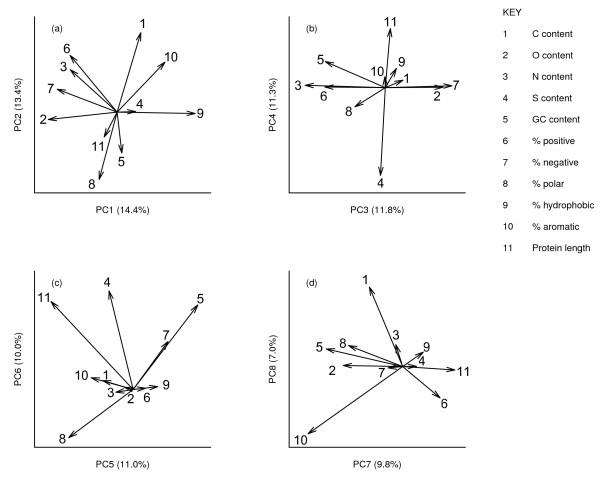
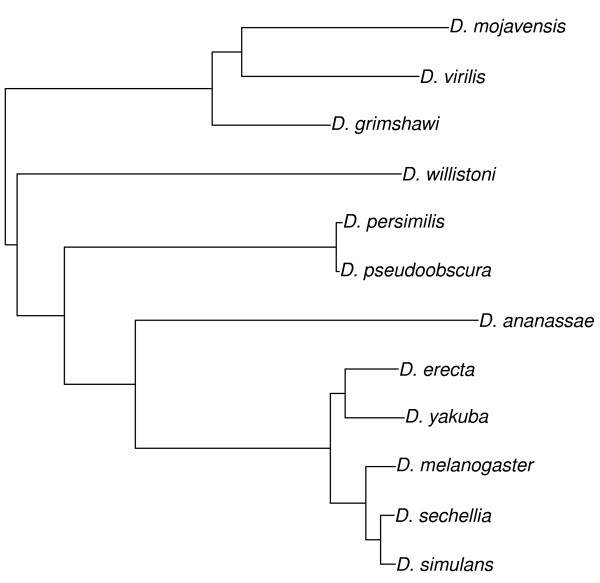
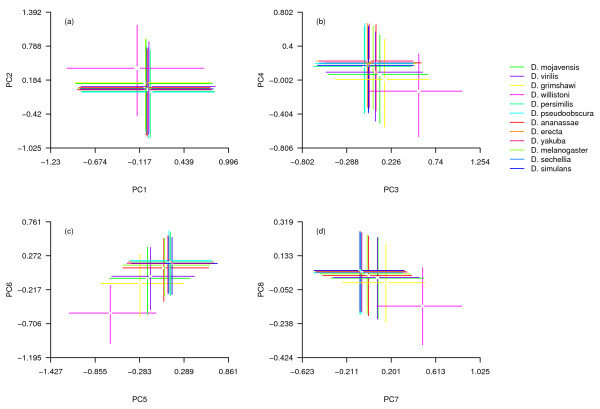
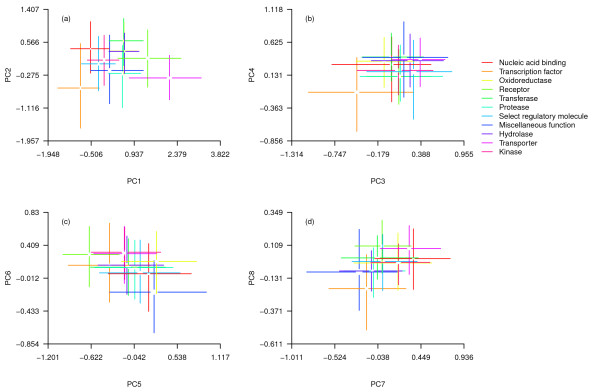
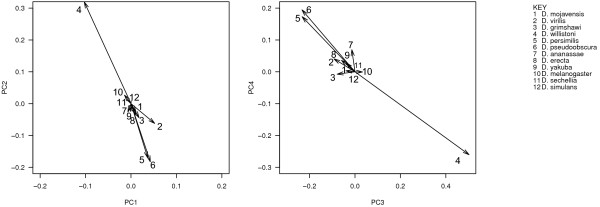
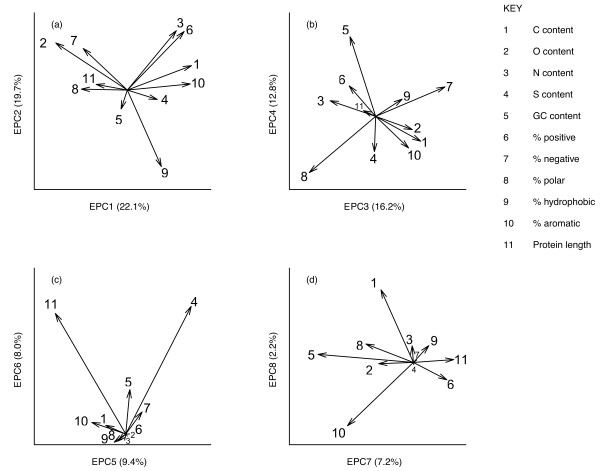
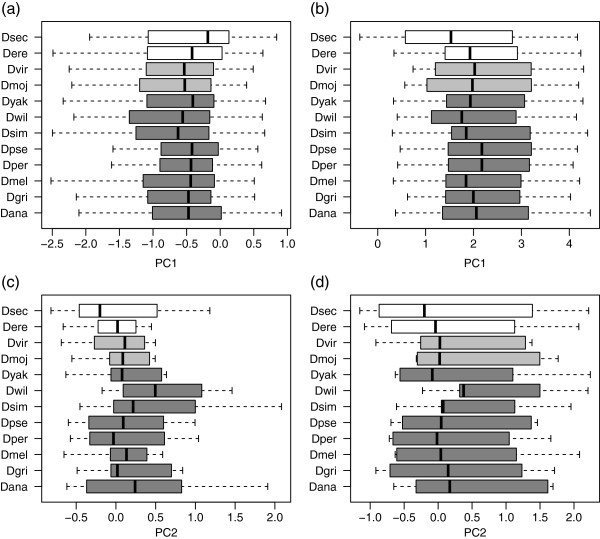
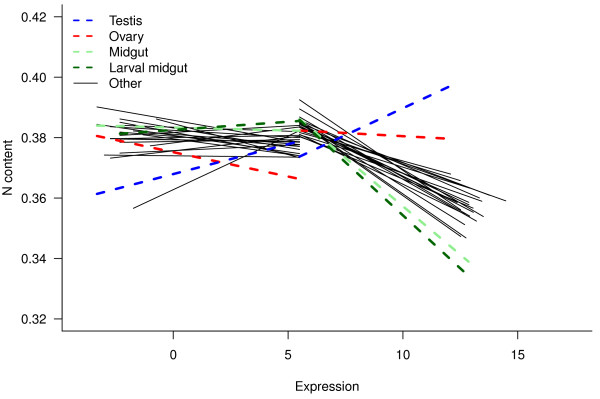
Elements varied predictably along multivariate axes. Species were broadly similar, with the D. willistoni proteome a clear outlier. As expected, individual protein atomic content within proteomes was influenced by protein function and amino acid biochemistry. Evolution in elemental composition across the phylogeny followed less predictable patterns, but was associated with broad ecological variation in diet. Using expression data available for D. melanogaster, we found evidence consistent with selection for efficient usage of elements within the proteome: as expected, nitrogen content was reduced in highly expressed proteins in most tissues, most strongly in the gut, where nutrients are assimilated, and least strongly in the germline.
The patterns identified here using GRASP provide a foundation on which to base future research into the evolution of atomic composition in Drosophila and other taxa.
“稳定同位素蛋白质组学”将蛋白质和蛋白质组的元素组成与生理和生态环境的变化联系起来。为了帮助利用和探索这个框架下提出的大量假设,我们引入了 GRASP(http://www.graspdb.net),这是一个公共的生物信息知识库,包含了 20 种氨基酸的频率和它们侧链的原子组成的信息。GRASP 将比较蛋白质组成数据与来自多个公共数据库的注释数据集成在一起。目前,GRASP 包括 12 个已测序的果蝇(果蝇)蛋白质组的信息,随着时间的推移,这些信息将扩展到包括越来越多样化的生物体。在本文中,我们通过对 12 个果蝇蛋白质组的组成进行探索性研究,展示了 GRASP 测试稳定同位素蛋白质组学假设的潜力,检验了蛋白质原子含量与物种生态学和蛋白质表达水平相关的预测。
元素沿着多元坐标轴变化具有可预测性。物种之间非常相似,D. willistoni 蛋白质组是一个明显的例外。正如预期的那样,蛋白质组内单个蛋白质的原子含量受到蛋白质功能和氨基酸生物化学的影响。沿进化谱系的元素组成进化遵循的模式不太可预测,但与饮食的广泛生态变化有关。使用可获得的 D. melanogaster 表达数据,我们发现了与蛋白质组内元素有效利用选择一致的证据:正如预期的那样,在大多数组织中,高度表达的蛋白质中的氮含量减少,在肠道中减少最多,在那里营养物质被同化,在生殖系中减少最少。
使用 GRASP 确定的这些模式为未来在果蝇和其他分类群中研究原子组成的进化提供了基础。