Section of Infectious Diseases, Boston University School of Medicine and Boston Medical Center, Boston, Massachusetts, United States of America.
PLoS Pathog. 2013;9(8):e1003569. doi: 10.1371/journal.ppat.1003569. Epub 2013 Aug 29.
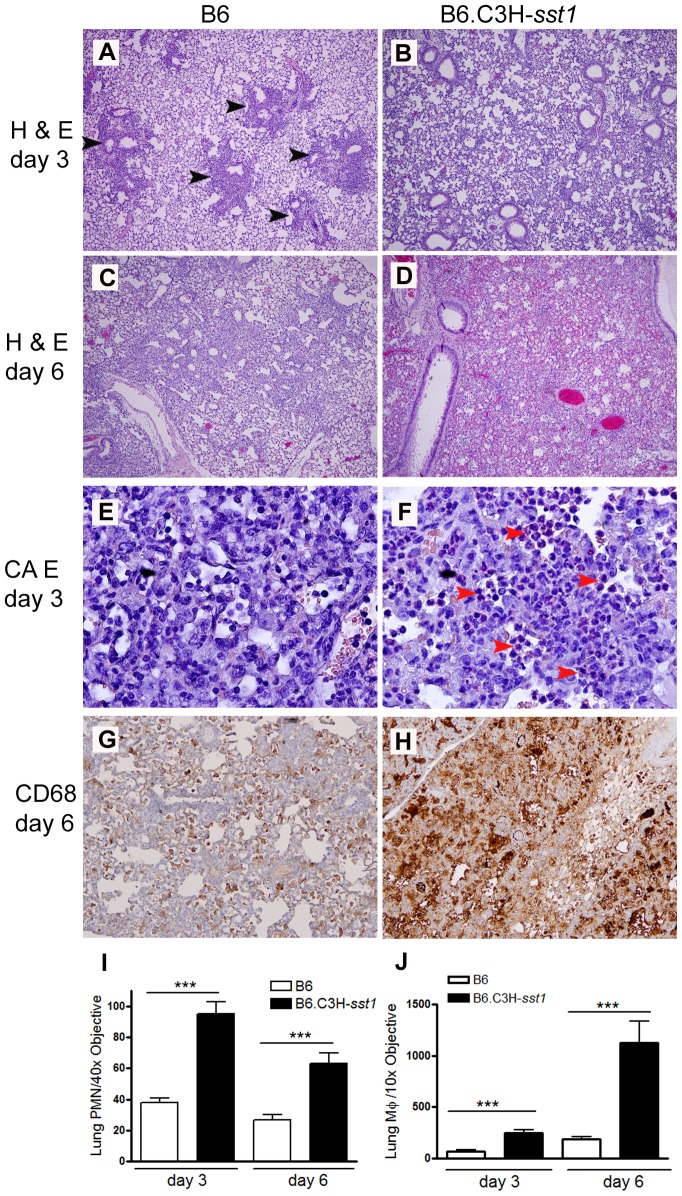
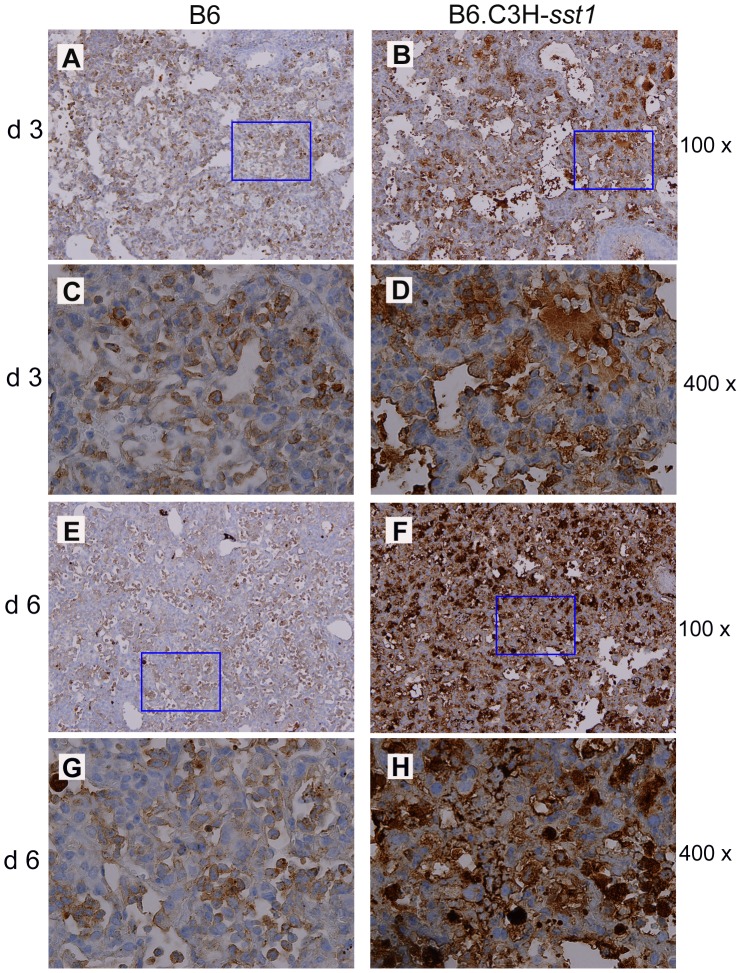
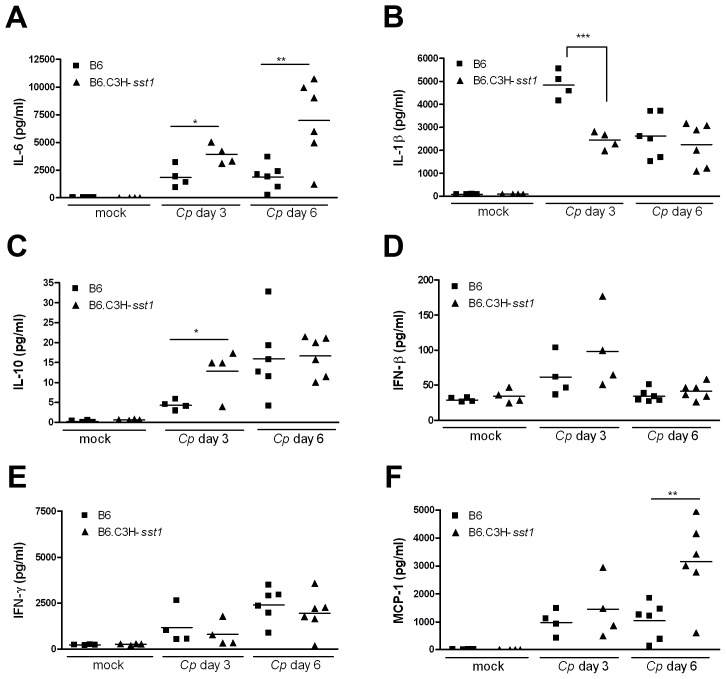
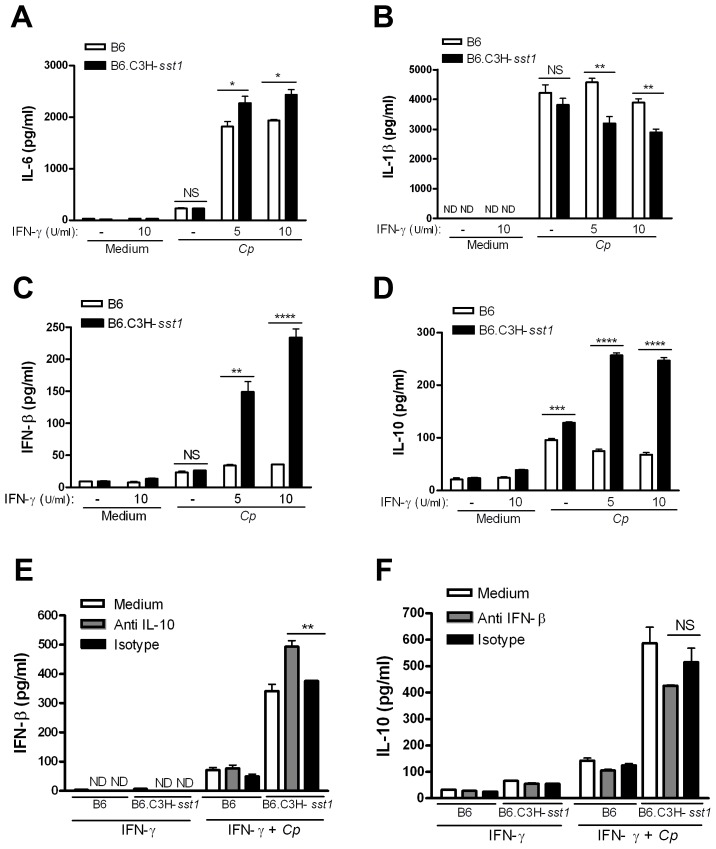
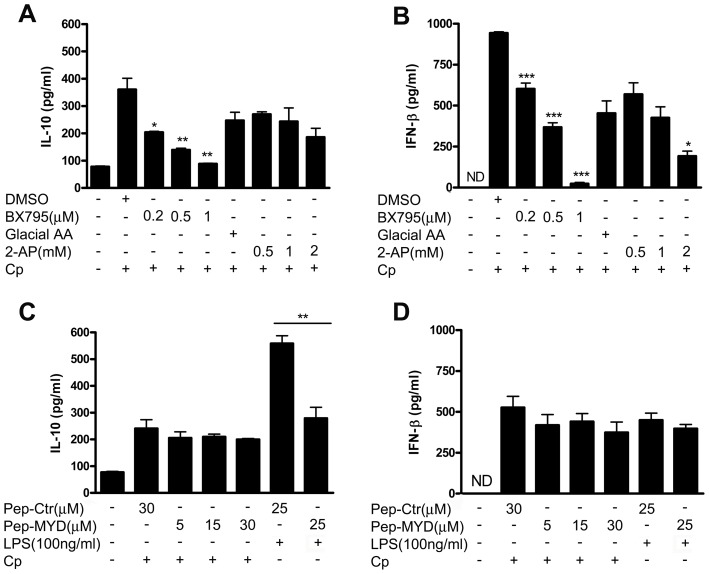
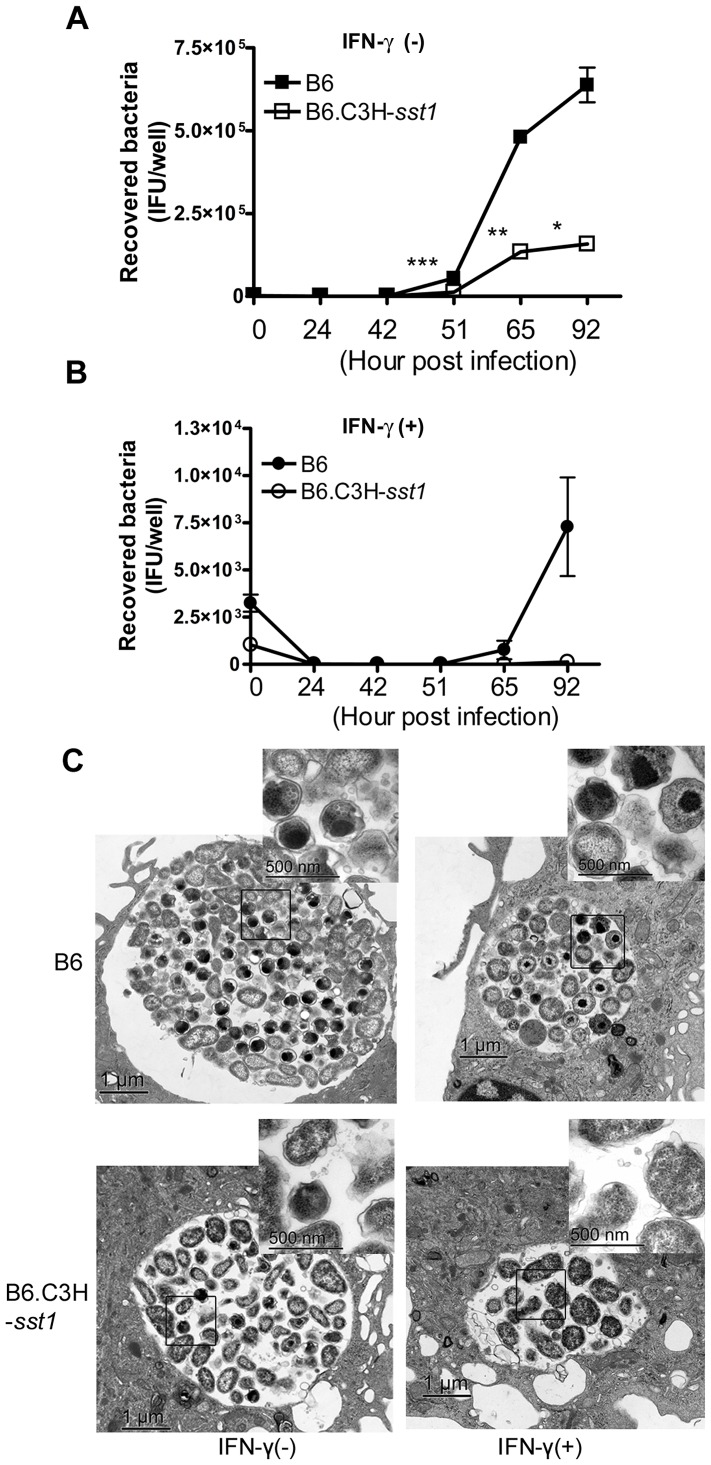
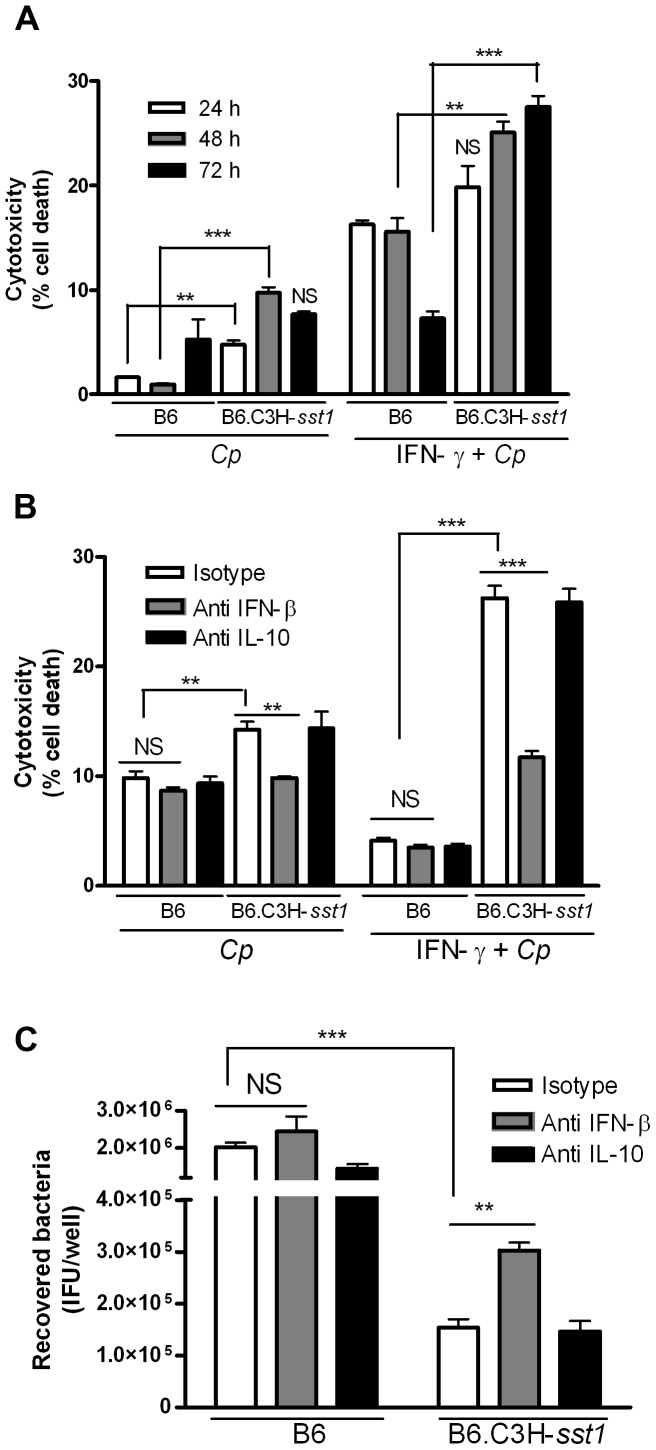
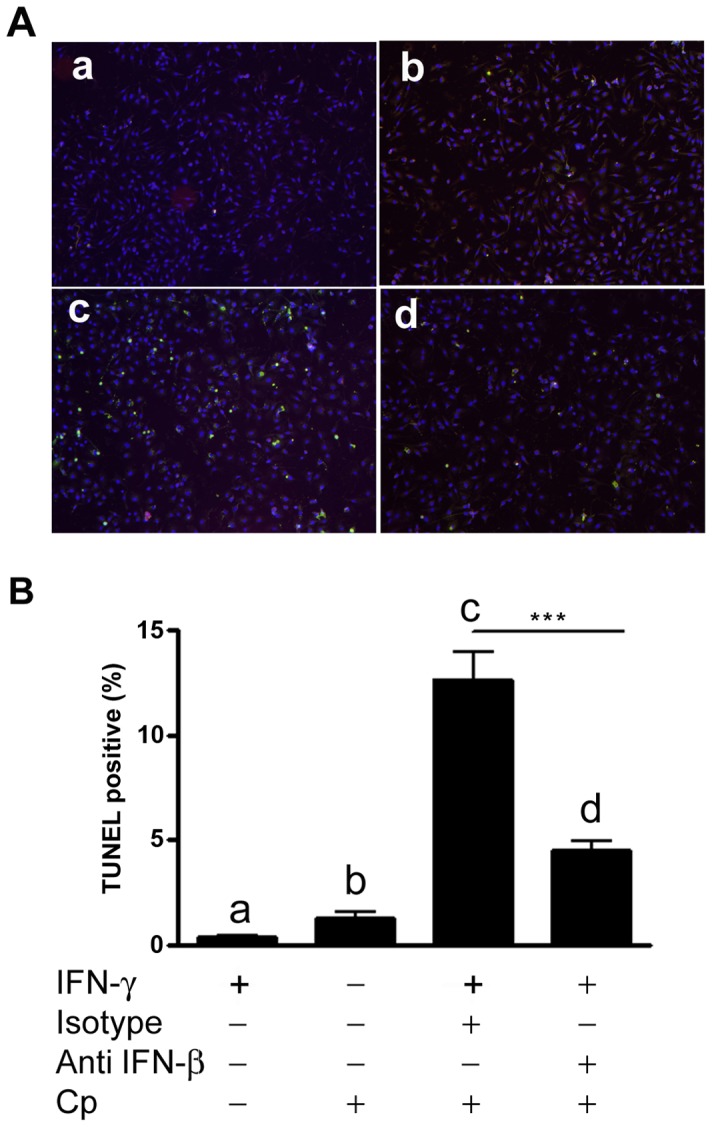
The sst1, "supersusceptibility to tuberculosis," locus has previously been shown to be a genetic determinant of host resistance to infection with the intracellular pathogen, Mycobacterium tuberculosis. Chlamydia pneumoniae is an obligate intracellular bacterium associated with community acquired pneumonia, and chronic infection with C. pneumoniae has been linked to asthma and atherosclerosis. C. pneumoniae is a highly adapted pathogen that can productively infect macrophages and inhibit host cell apoptosis. Here we examined the role of sst1 in regulating the host response to infection with C. pneumoniae. Although mice carrying the sst1 susceptible (sst1(S) ) locus were not impaired in their ability to clear the acute infection, they were dramatically less tolerant of the induced immune response, displaying higher clinical scores, more severe lung inflammation, exaggerated macrophage and neutrophil influx, and the development of fibrosis compared to wild type mice. This correlated with increased activated caspase-3 in the lungs of infected sst1(S) mice. Infection of sst1(S) macrophages with C. pneumoniae resulted in a shift in the secreted cytokine profile towards enhanced production of interferon-β and interleukin-10, and induced apoptotic cell death, which was dependent on secretion of interferon-β. Intriguingly macrophages from the sst1(S) mice failed to support normal chlamydial growth, resulting in arrested development and failure of the organism to complete its infectious cycle. We conclude that the sst1 locus regulates a shared macrophage-mediated innate defense mechanism against diverse intracellular bacterial pathogens. Its susceptibility allele leads to upregulation of type I interferon pathway, which, in the context of C. pneumoniae, results in decreased tolerance, but not resistance, to the infection. Further dissection of the relationship between type I interferons and host tolerance during infection with intracellular pathogens may provide identification of biomarkers and novel therapeutic targets.
sst1“对结核病的超敏性”基因座先前已被证明是宿主对细胞内病原体结核分枝杆菌感染的抗性的遗传决定因素。肺炎衣原体是一种与社区获得性肺炎相关的专性细胞内细菌,慢性感染肺炎衣原体与哮喘和动脉粥样硬化有关。肺炎衣原体是一种高度适应的病原体,能够有效地感染巨噬细胞并抑制宿主细胞凋亡。在这里,我们研究了 sst1 在调节宿主对肺炎衣原体感染的反应中的作用。尽管携带 sst1 易感(sst1(S))基因座的小鼠在清除急性感染的能力上没有受损,但它们对诱导的免疫反应的耐受性明显降低,表现出更高的临床评分、更严重的肺部炎症、更严重的巨噬细胞和中性粒细胞浸润以及纤维化的发展,与野生型小鼠相比。这与感染 sst1(S)小鼠肺部中激活的 caspase-3 增加有关。肺炎衣原体感染 sst1(S)巨噬细胞导致分泌细胞因子谱向增强的干扰素-β和白细胞介素-10 产生转移,并诱导细胞凋亡死亡,这依赖于干扰素-β的分泌。有趣的是,来自 sst1(S)小鼠的巨噬细胞未能支持正常的衣原体生长,导致发育停滞和生物体无法完成其感染周期。我们得出结论,sst1 基因座调节针对多种细胞内细菌病原体的共享巨噬细胞介导的先天防御机制。其易感等位基因导致 I 型干扰素途径的上调,在肺炎衣原体的情况下,导致对感染的耐受性降低,但不是抗性降低。进一步剖析 I 型干扰素与宿主对细胞内病原体感染的耐受性之间的关系,可能为鉴定生物标志物和新的治疗靶点提供依据。