Department of Neurology and Neurosurgery and Montreal Neurological Institute, McGill University, Montreal, Quebec, Canada.
PLoS One. 2013 Aug 28;8(8):e73296. doi: 10.1371/journal.pone.0073296. eCollection 2013.
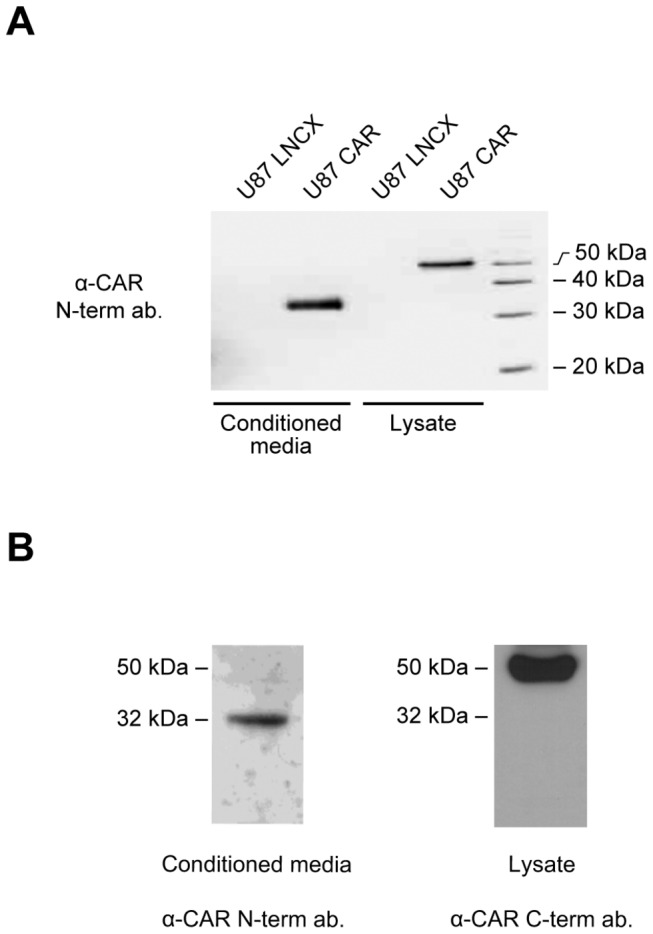
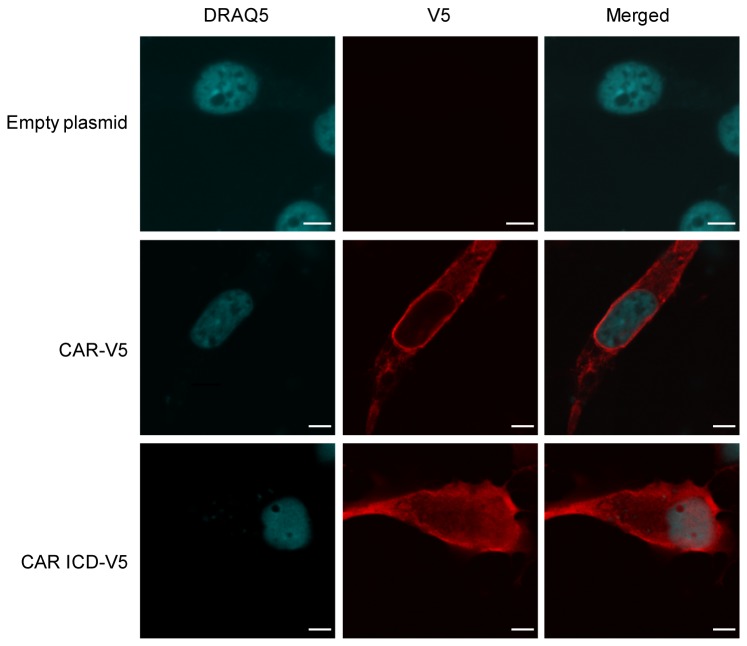
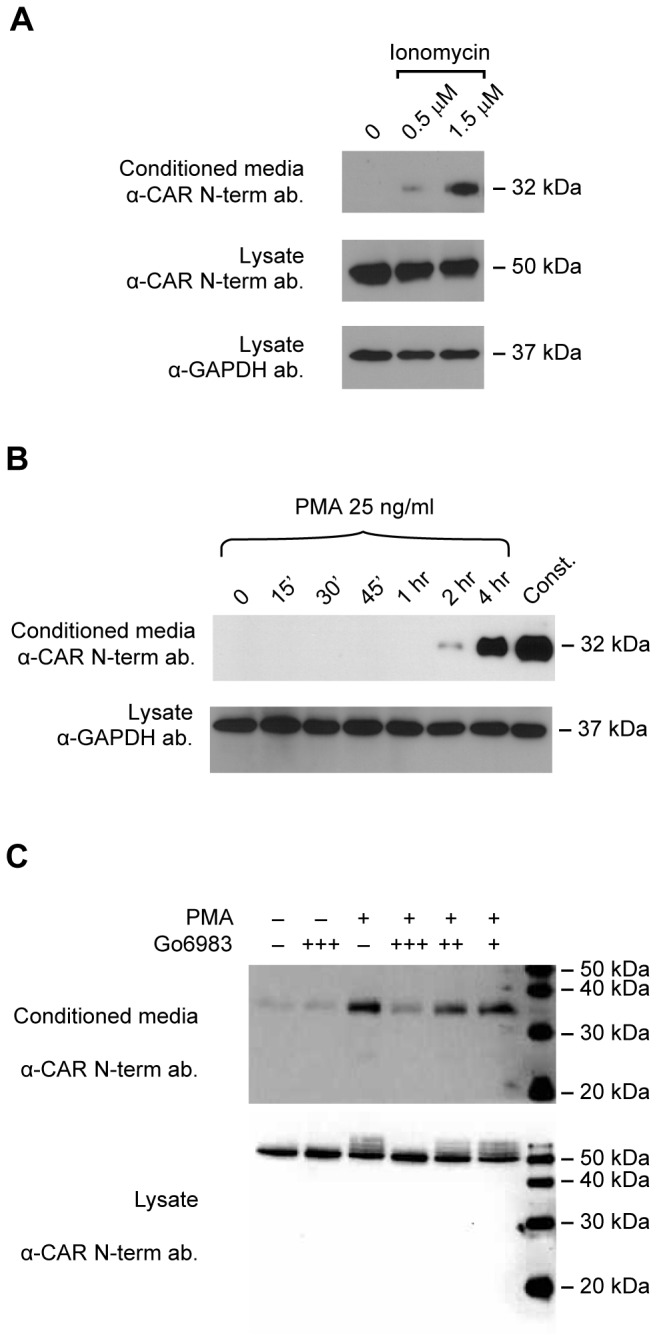
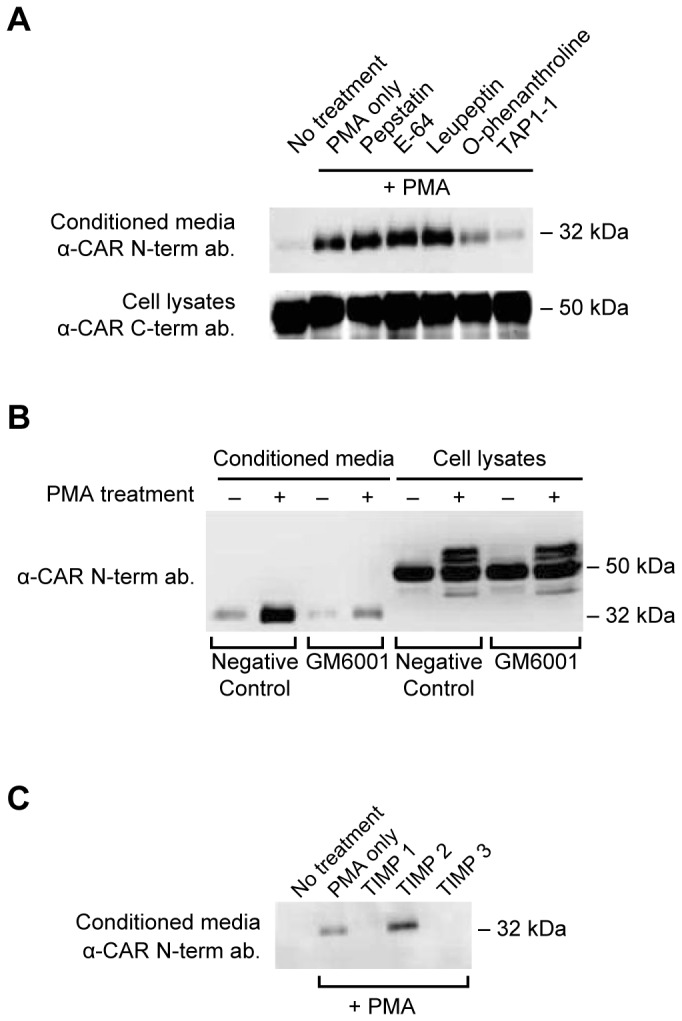
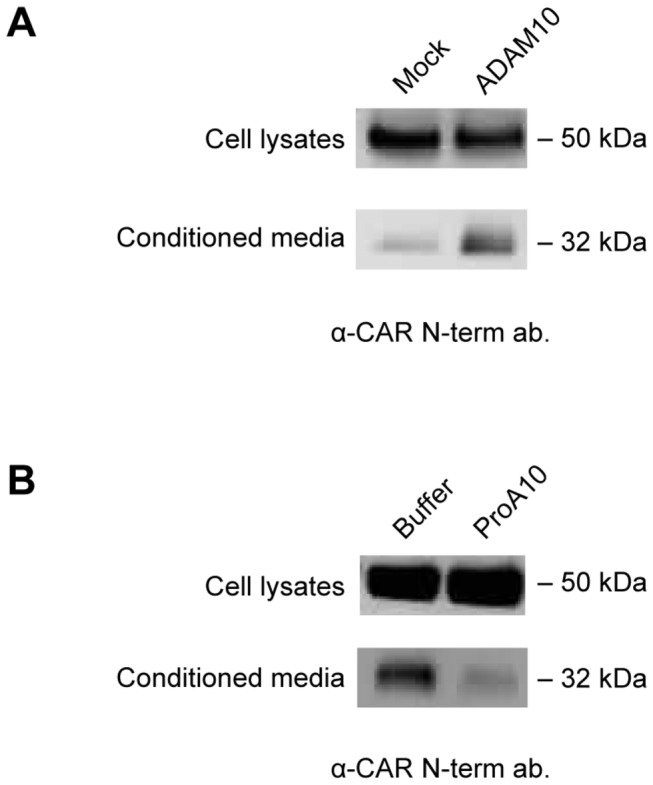
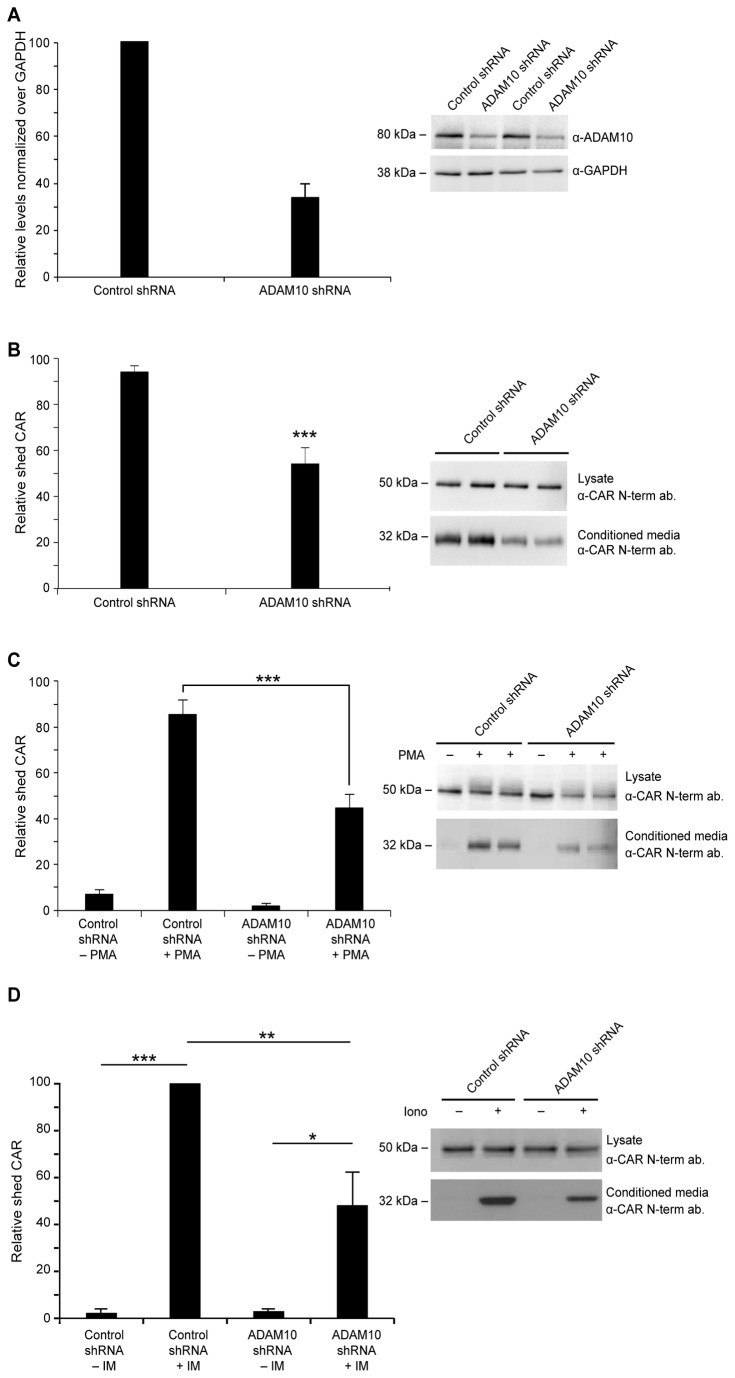
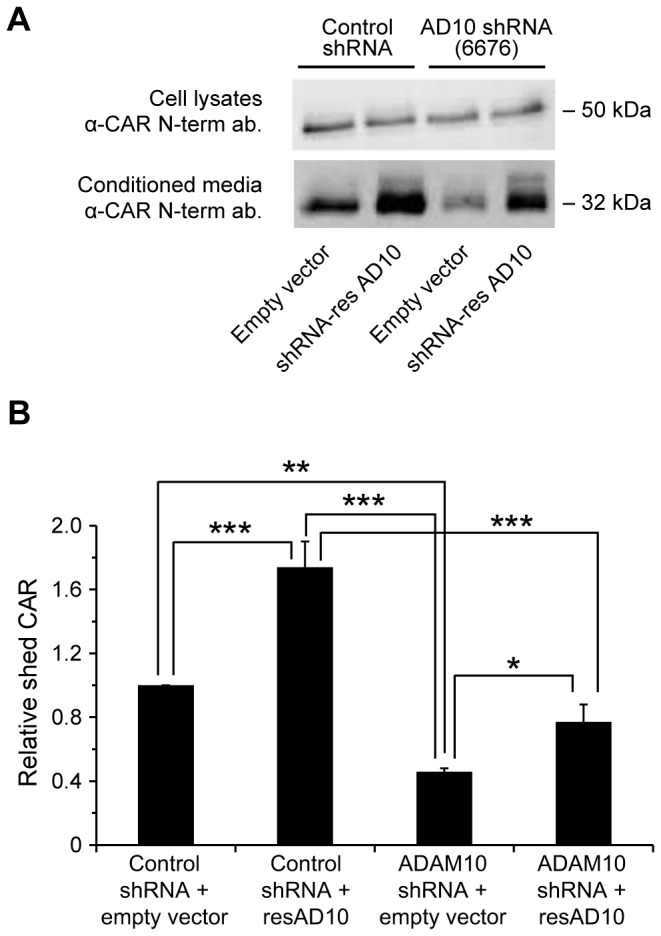
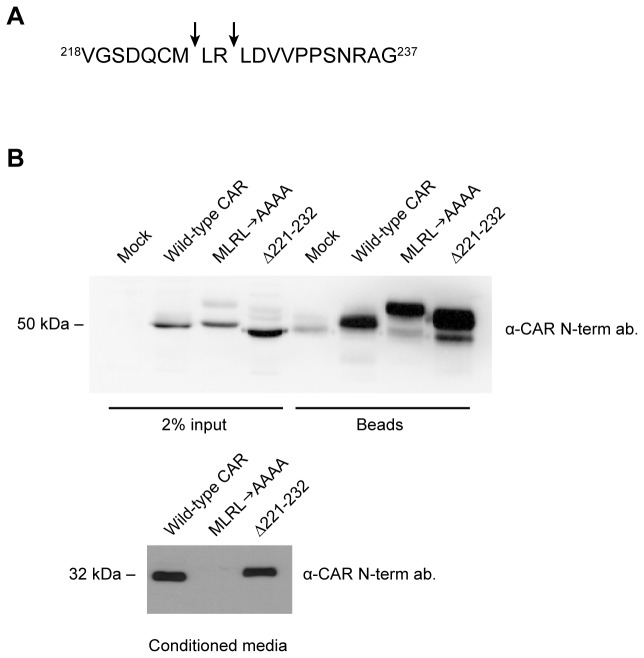
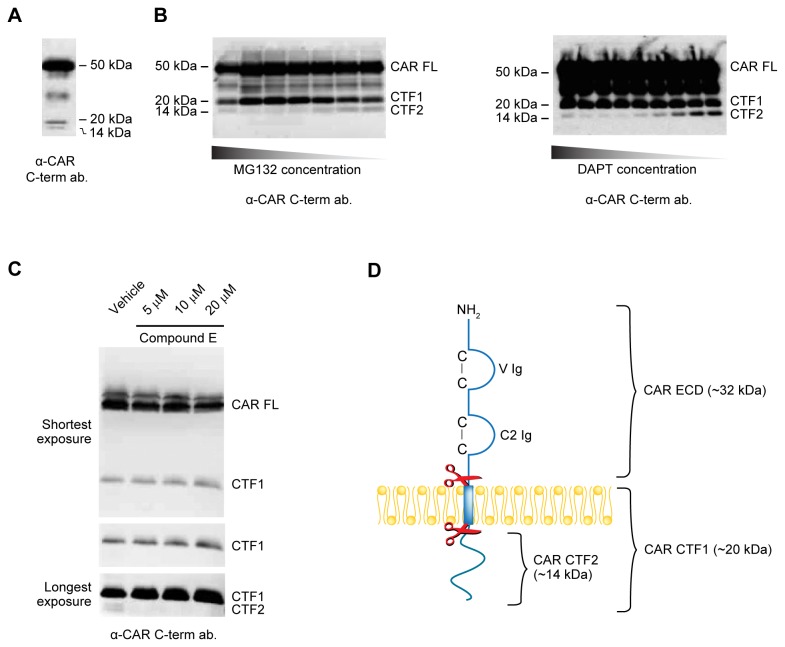
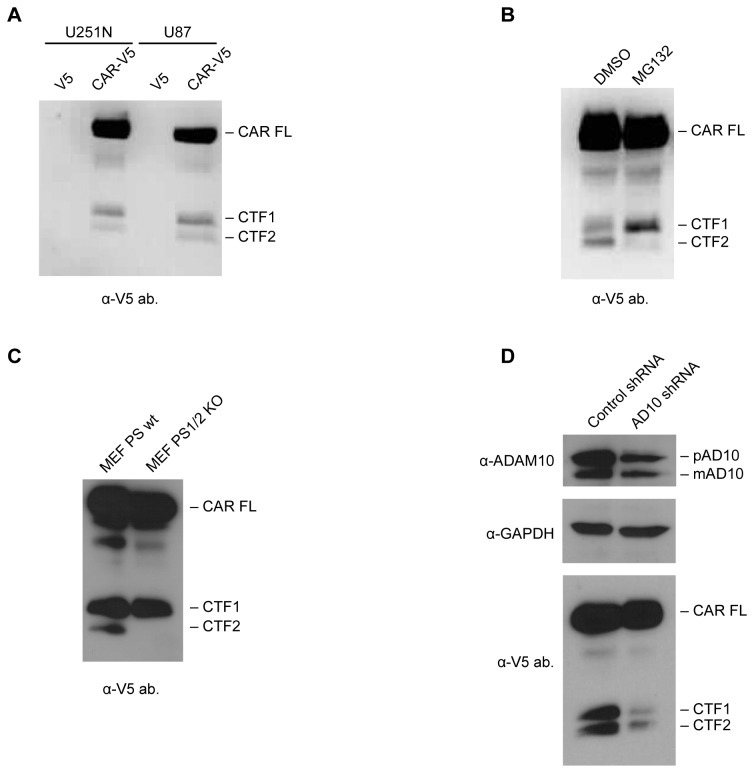
The Coxsackievirus and Adenovirus Receptor (CAR) is a cell adhesion molecule originally characterized as a virus receptor but subsequently shown to be involved in physiological processes such as neuronal and heart development, epithelial tight junction integrity, and tumour suppression. Proteolysis of cell adhesion molecules and a wide variety of other cell surface proteins serves as a mechanism for protein turnover and, in some cases, cell signaling. Metalloproteases such as A Disintegrin and Metalloprotease (ADAM) family members cleave cell surface receptors to release their substrates' ectodomains, while the presenilin/ɣ-secretase complex mediates regulated intramembrane proteolysis (RIP), releasing intracellular domain fragments from the plasma membrane. In the case of some substrates such as Notch and amyloid precursor protein (APP), the released intracellular domains enter the nucleus to modulate gene expression. We report that CAR ectodomain is constitutively shed from glioma cells and developing neurons, and is also shed when cells are treated with the phorbol ester phorbol 12-myristate 13-acetate (PMA) and the calcium ionophore ionomycin. We identified ADAM10 as a sheddase of CAR using assays involving shRNA knockdown and rescue, overexpression of wild-type ADAM10 and inhibition of ADAM10 activity by addition of its prodomain. In vitro peptide cleavage, mass spectrometry and mutagenesis revealed the amino acids M224 to L227 of CAR as the site of ADAM10-mediated ectodomain cleavage. CAR also undergoes RIP by the presenilin/γ-secretase complex, and the intracellular domain of CAR enters the nucleus. Ectodomain shedding is a prerequisite for RIP of CAR. Thus, CAR belongs to the increasing list of cell surface molecules that undergo ectodomain shedding and that are substrates for ɣ-secretase-mediated RIP.
柯萨奇病毒和腺病毒受体 (CAR) 是一种细胞黏附分子,最初被特征化为病毒受体,但随后被证明参与生理过程,如神经元和心脏发育、上皮紧密连接完整性和肿瘤抑制。细胞黏附分子和各种其他细胞表面蛋白的蛋白水解作为一种蛋白质周转的机制,在某些情况下,还作为细胞信号转导的机制。金属蛋白酶,如解整合素和金属蛋白酶 (ADAM) 家族成员,切割细胞表面受体以释放其底物的细胞外结构域,而早老素/γ-分泌酶复合物介导调节性跨膜蛋白水解 (RIP),从质膜释放细胞内结构域片段。在一些底物(如 Notch 和淀粉样前体蛋白 (APP))的情况下,释放的细胞内结构域进入细胞核以调节基因表达。我们报告 CAR 细胞外结构域从神经胶质瘤细胞和发育中的神经元中持续脱落,并且在用佛波醇 12-肉豆蔻酸 13-乙酸酯 (PMA) 和钙离子载体离子霉素处理细胞时也会脱落。我们通过涉及 shRNA 敲低和挽救、野生型 ADAM10 的过表达以及通过添加其前导肽抑制 ADAM10 活性的测定,鉴定 ADAM10 是 CAR 的脱落酶。体外肽切割、质谱和突变分析揭示了 CAR 的氨基酸 M224 到 L227 是 ADAM10 介导的细胞外结构域切割的位点。CAR 还通过早老素/γ-分泌酶复合物进行 RIP,并且 CAR 的细胞内结构域进入细胞核。细胞外结构域脱落是 CAR 的 RIP 的先决条件。因此,CAR 属于越来越多的经历细胞外结构域脱落并且是 γ-分泌酶介导的 RIP 底物的细胞表面分子。