Department of Cell Biology, Harvard Medical School, Boston, Massachusetts; Department of Oncology, IRCCS, Mario Negri Institute for Pharmacological Research, Milano, Italy.
Dev Dyn. 2014 Feb;243(2):201-15. doi: 10.1002/dvdy.24036. Epub 2013 Oct 24.
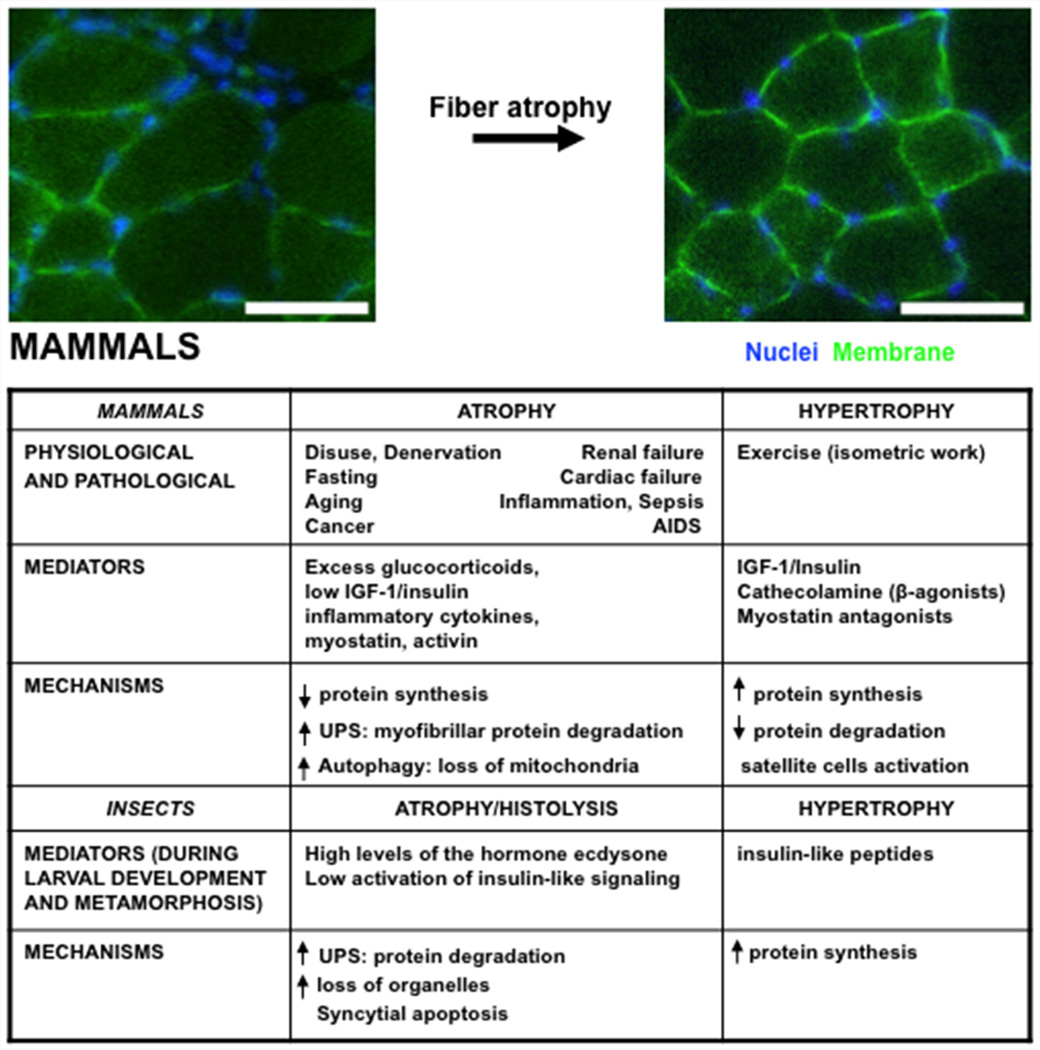
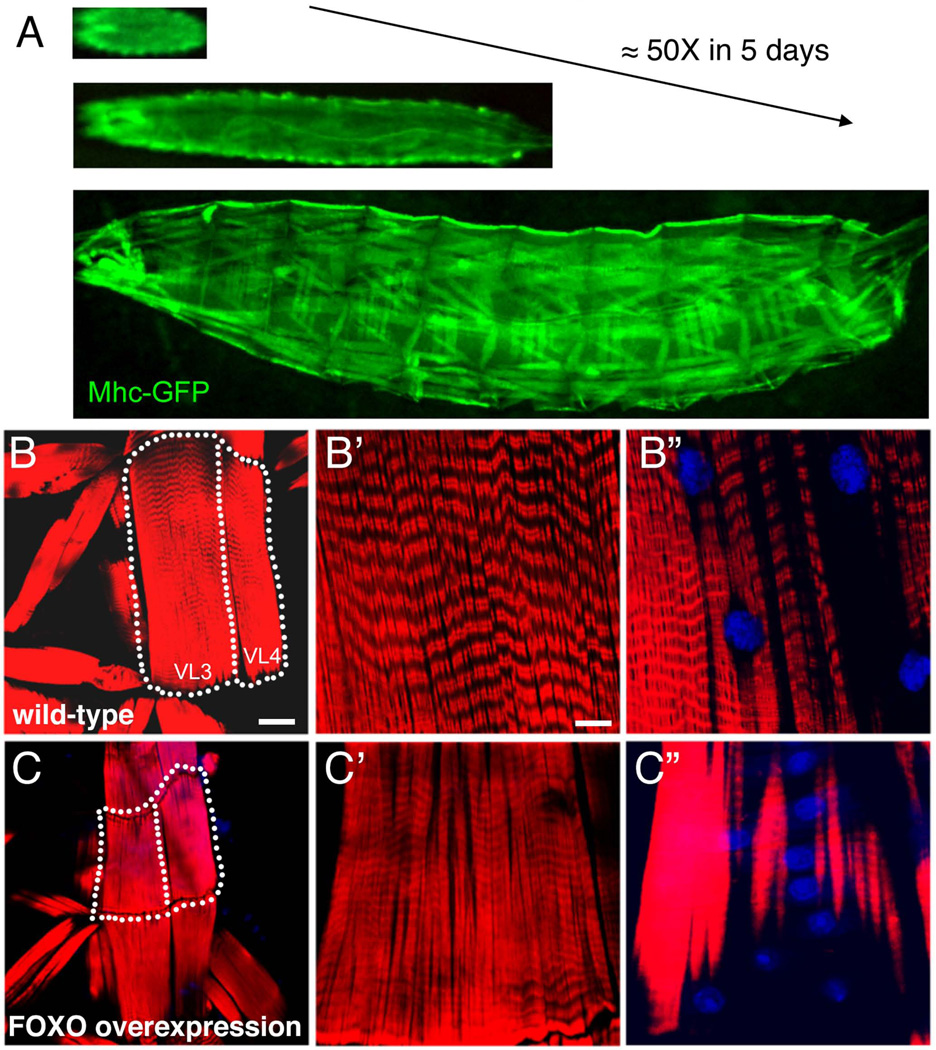
The loss of skeletal muscle mass (atrophy) that accompanies disuse and systemic diseases is highly debilitating. Although the pathogenesis of this condition has been primarily studied in mammals, Drosophila is emerging as an attractive system to investigate some of the mechanisms involved in muscle growth and atrophy.
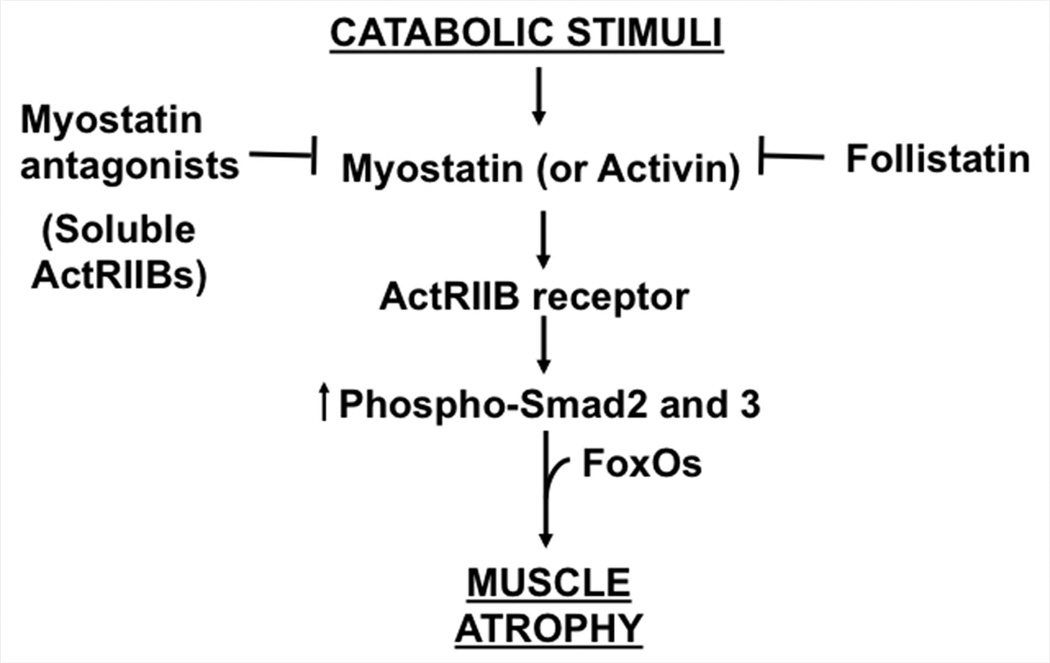
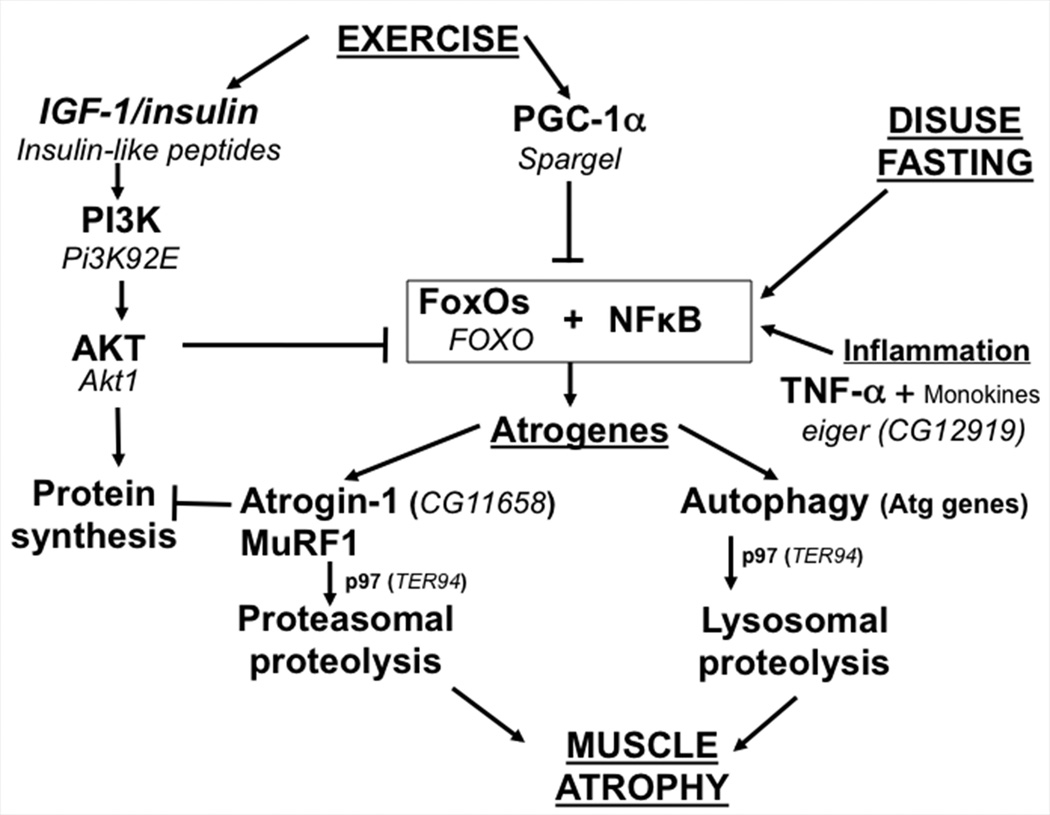
In this review, we highlight the outstanding unsolved questions that may benefit from a combination of studies in both flies and mammals. In particular, we discuss how different environmental stimuli and signaling pathways influence muscle mass and strength and how a variety of disease states can cause muscle wasting.
Studies in Drosophila and mammals should help identify molecular targets for the treatment of muscle wasting in humans.
与废用和全身性疾病相关的骨骼肌质量(萎缩)的丧失是高度衰弱的。尽管这种情况的发病机制主要在哺乳动物中进行了研究,但果蝇正在成为研究涉及肌肉生长和萎缩的一些机制的有吸引力的系统。
在这篇综述中,我们强调了一些突出的未解决的问题,这些问题可能受益于蝇类和哺乳动物的综合研究。特别是,我们讨论了不同的环境刺激和信号通路如何影响肌肉质量和力量,以及各种疾病状态如何导致肌肉消耗。
果蝇和哺乳动物的研究应该有助于确定人类肌肉消耗治疗的分子靶点。