State Key Laboratory of Silkworm Genome Biology, Southwest University, Chongqing 400715, China.
Nat Commun. 2013;4:2445. doi: 10.1038/ncomms3445.
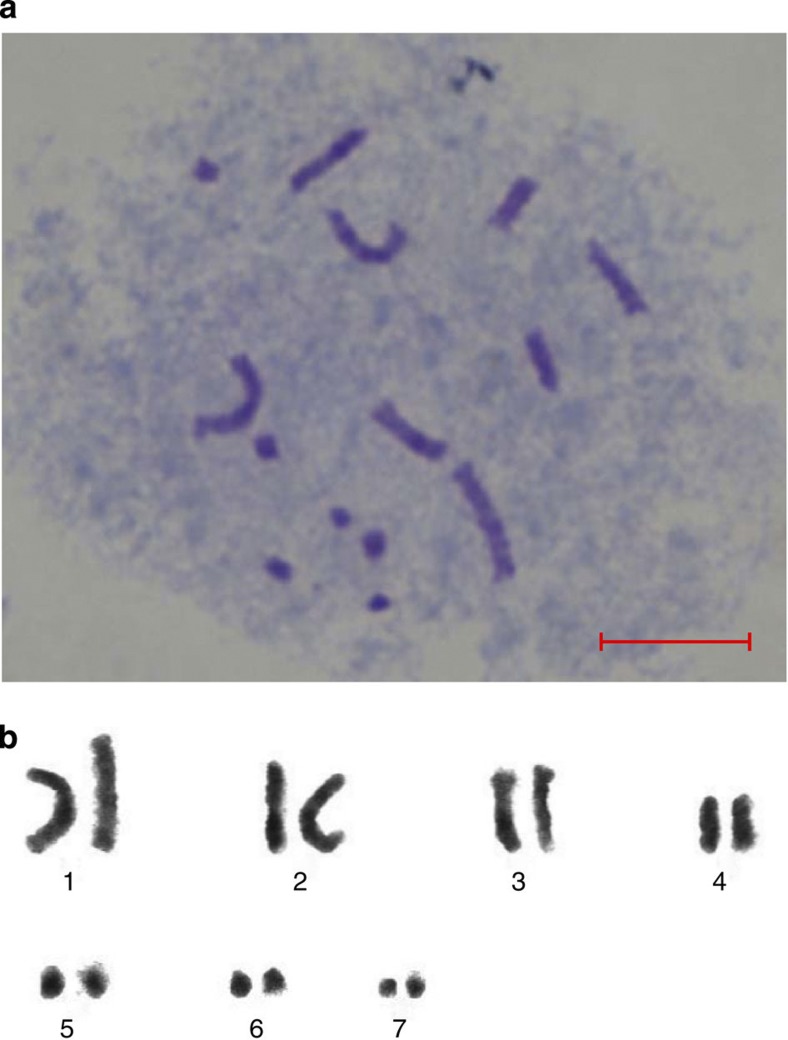
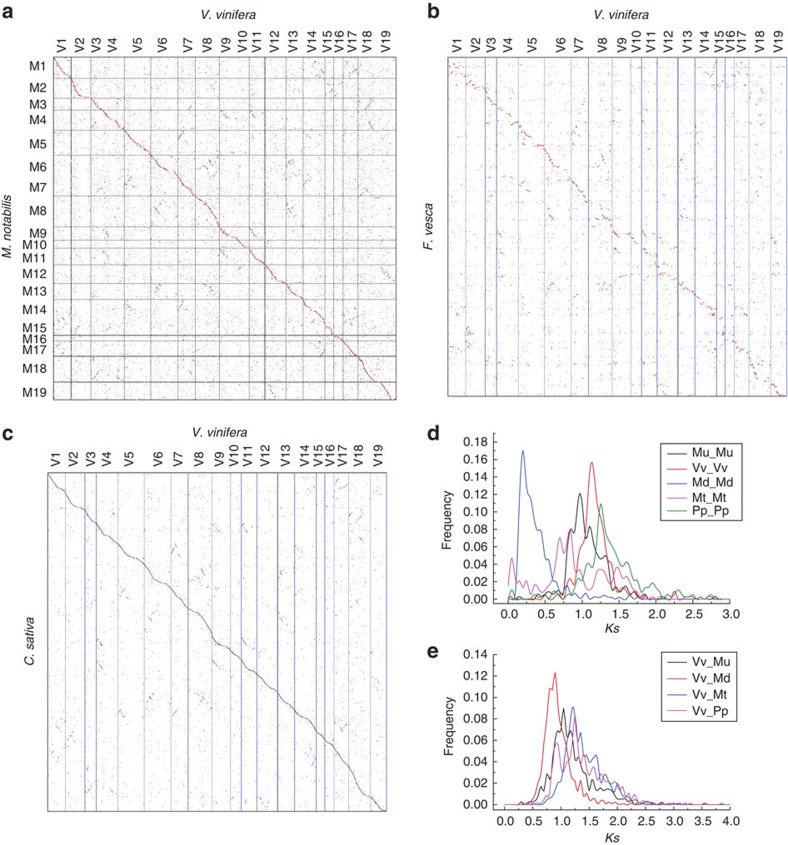
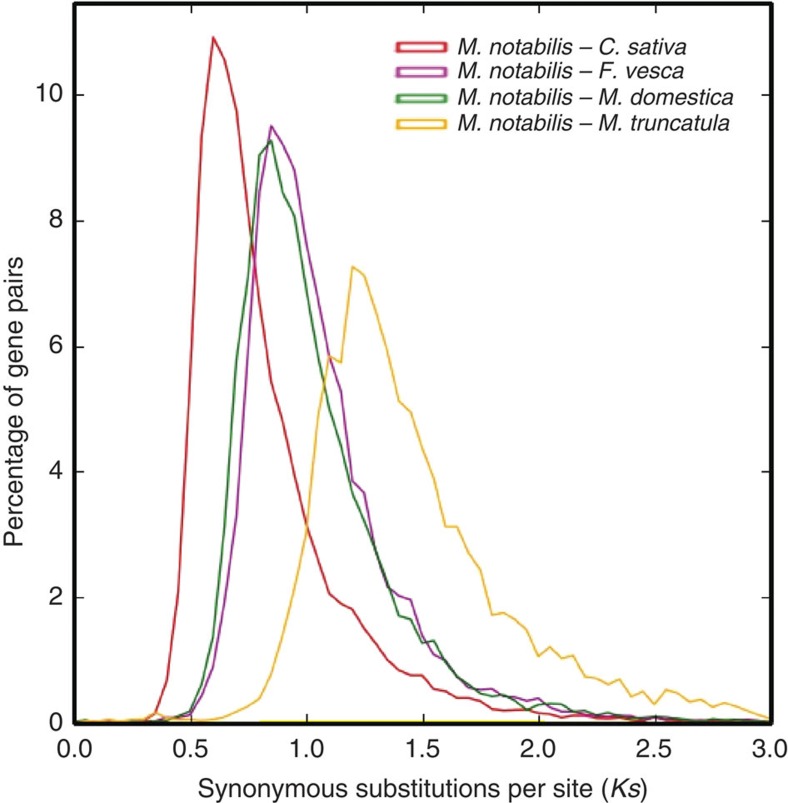
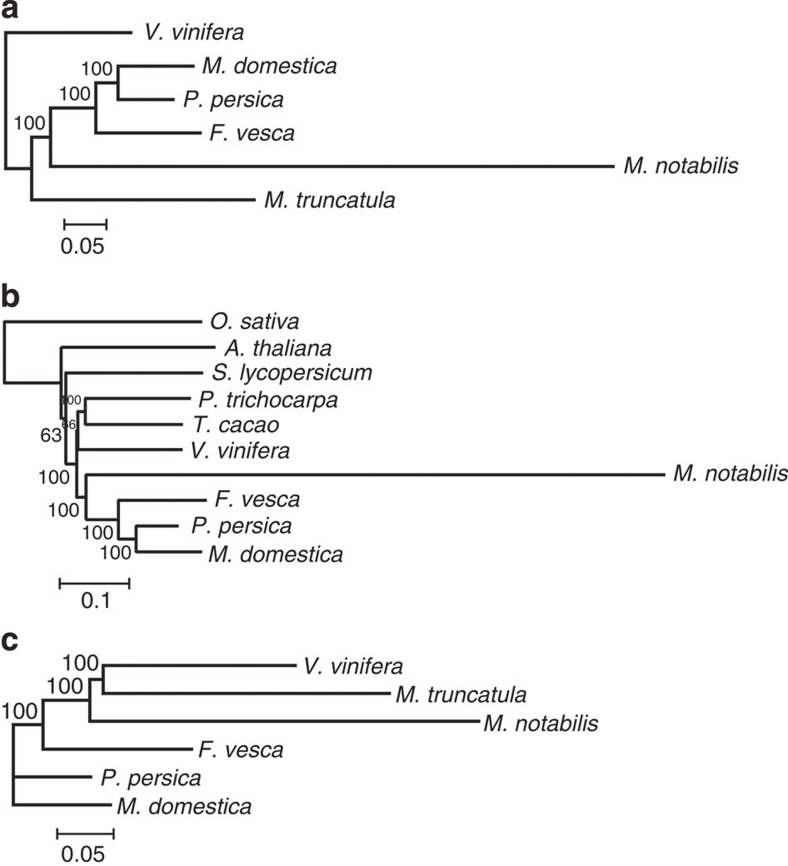
Human utilization of the mulberry-silkworm interaction started at least 5,000 years ago and greatly influenced world history through the Silk Road. Complementing the silkworm genome sequence, here we describe the genome of a mulberry species Morus notabilis. In the 330-Mb genome assembly, we identify 128 Mb of repetitive sequences and 29,338 genes, 60.8% of which are supported by transcriptome sequencing. Mulberry gene sequences appear to evolve ~3 times faster than other Rosales, perhaps facilitating the species' spread worldwide. The mulberry tree is among a few eudicots but several Rosales that have not preserved genome duplications in more than 100 million years; however, a neopolyploid series found in the mulberry tree and several others suggest that new duplications may confer benefits. Five predicted mulberry miRNAs are found in the haemolymph and silk glands of the silkworm, suggesting interactions at molecular levels in the plant-herbivore relationship. The identification and analyses of mulberry genes involved in diversifying selection, resistance and protease inhibitor expressed in the laticifers will accelerate the improvement of mulberry plants.
人类利用桑蚕共生关系的历史至少可以追溯到 5000 年前,通过丝绸之路对世界历史产生了巨大影响。除了家蚕基因组序列,我们在这里还描述了另一种桑树品种——构树 Morus notabilis 的基因组。在 330Mb 的基因组组装中,我们鉴定出了 128Mb 的重复序列和 29338 个基因,其中 60.8%的基因得到了转录组测序的支持。与其他蔷薇目植物相比,桑树基因的进化速度似乎要快 3 倍左右,这可能有助于该物种在全球范围内的传播。构树是少数几个在 1 亿多年来没有经历全基因组加倍的真双子叶植物之一,但在构树和其他几种植物中发现的新多倍体系列表明,新的加倍可能会带来好处。在家蚕的血液和丝腺中发现了 5 种预测的构树 microRNA,这表明在植物-食草动物关系中存在分子水平的相互作用。鉴定和分析构树中与多样化选择、抗性和乳管中表达的蛋白酶抑制剂相关的基因,将加速桑树的改良。