University College London, Medical Research Council Centre for Medical Molecular Virology, Division of Infection and Immunity, University College London, London, United Kingdom.
J Virol. 2013 Dec;87(24):13124-33. doi: 10.1128/JVI.02250-13. Epub 2013 Sep 25.
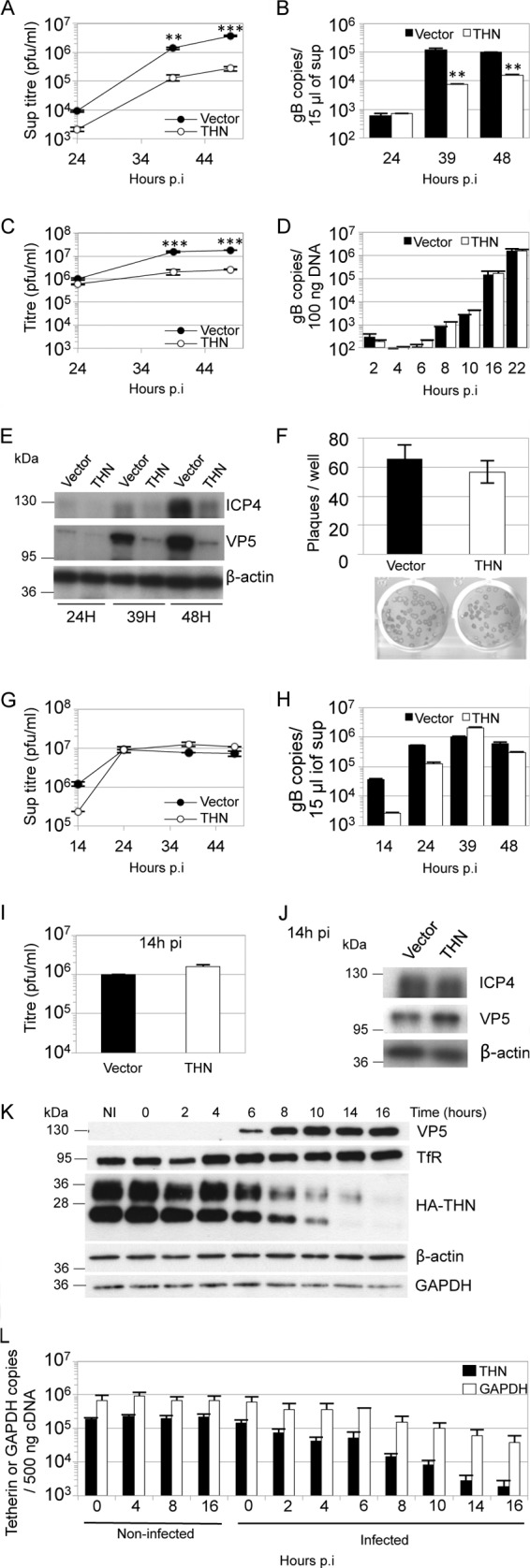
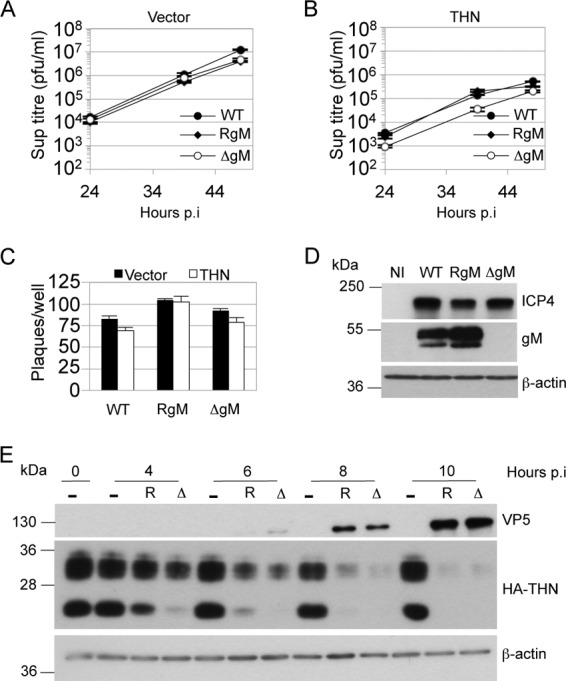
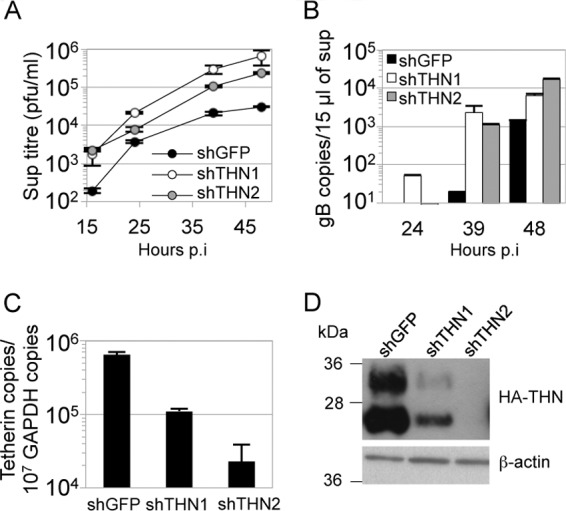
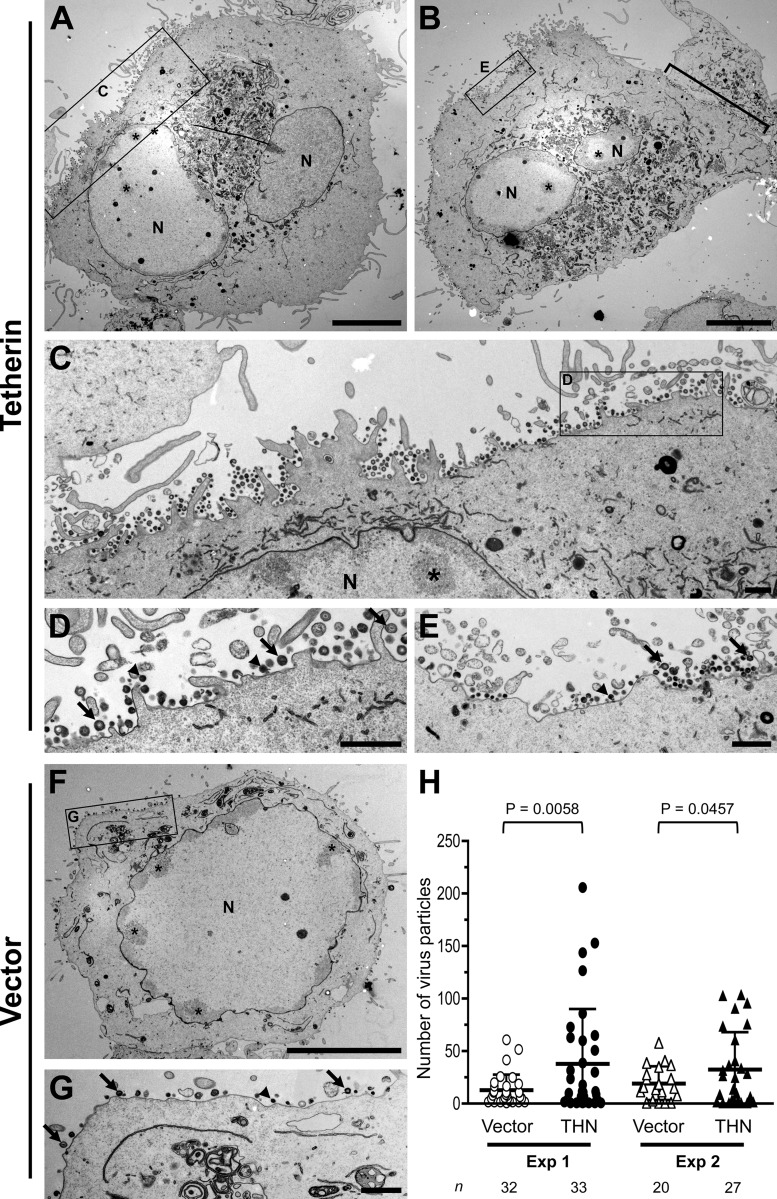
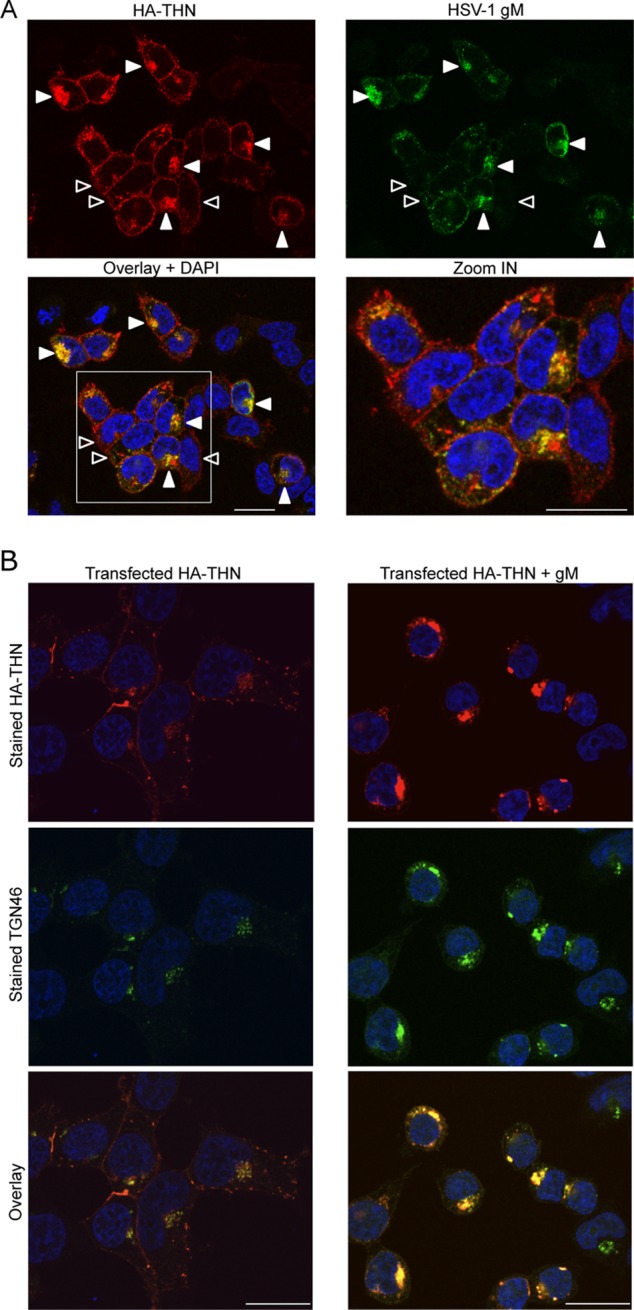
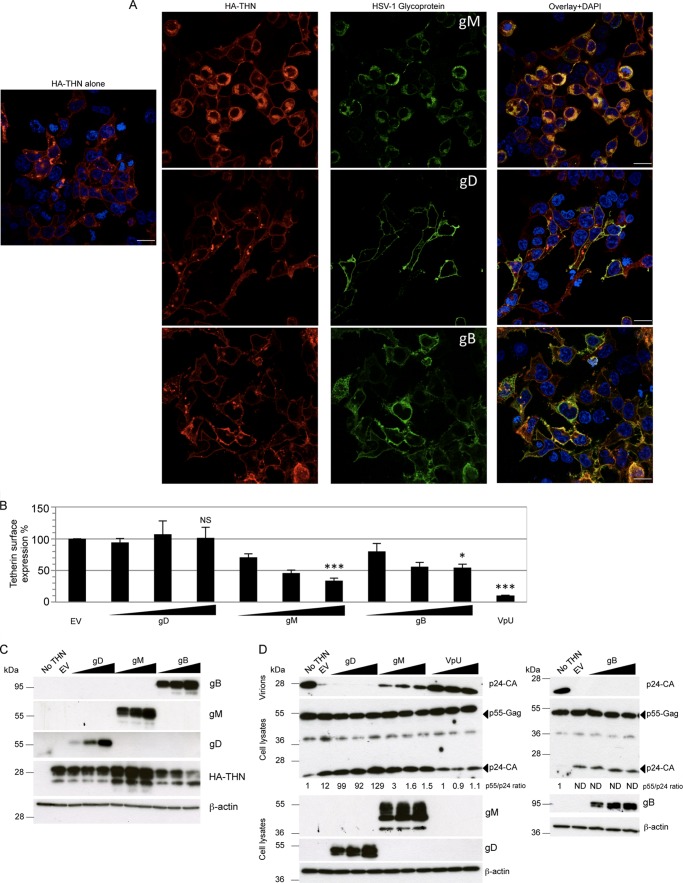
Tetherin is a broadly active antiviral effector that works by tethering nascent enveloped virions to a host cell membrane, thus preventing their release. In this study, we demonstrate that herpes simplex virus 1 (HSV-1) is targeted by tetherin. We identify the viral envelope glycoprotein M (gM) as having moderate anti-tetherin activity. We show that gM but not gB or gD efficiently removes tetherin from the plasma membrane and can functionally substitute for the human immunodeficiency virus type 1 (HIV-1) Vpu protein, the prototypic viral tetherin antagonist, in rescuing HIV-1 release from tetherin-expressing cells. Our data emphasize that tetherin is a broadly active antiviral effector and contribute to the emerging hypothesis that viruses must suppress or evade an array of host cell countermeasures in order to establish a productive infection.
tetherin 是一种广泛有效的抗病毒效应因子,通过将新生包膜病毒 tetherin 束缚在宿主细胞膜上,从而阻止它们释放。在这项研究中,我们证明单纯疱疹病毒 1(HSV-1)是 tetherin 的靶标。我们确定病毒包膜糖蛋白 M(gM)具有中等抗 tetherin 活性。我们表明 gM 而非 gB 或 gD 能有效地将 tetherin 从质膜上移除,并且可以在拯救 tetherin 表达细胞中的 HIV-1 释放方面有效地替代人类免疫缺陷病毒 1(HIV-1)Vpu 蛋白,即典型的病毒 tetherin 拮抗剂。我们的数据强调 tetherin 是一种广泛有效的抗病毒效应因子,并有助于新兴假说,即病毒必须抑制或逃避一系列宿主细胞对策,才能建立有效的感染。