Zhou Qiong, Hu Ya, Howard O M Zack, Oppenheim Joost J, Chen Xin
Laboratory of Molecular Immunoregulation, Cancer Inflammation Program, Center for Cancer Research, NCI, Frederick, MD 21702, United States.
Cytokine. 2014 Jan;65(1):56-64. doi: 10.1016/j.cyto.2013.09.008. Epub 2013 Sep 27.
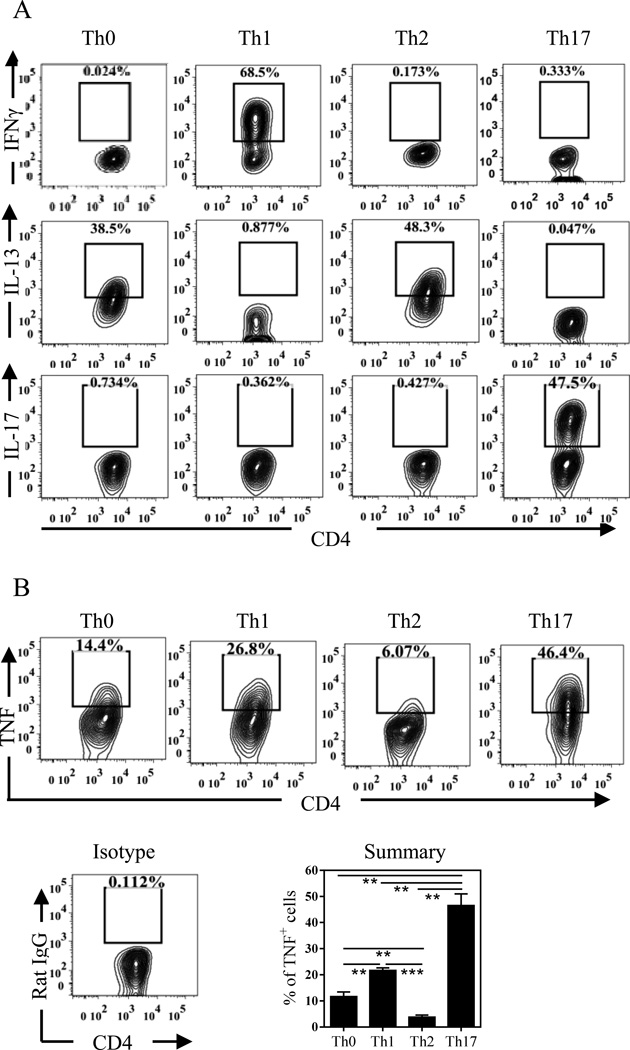
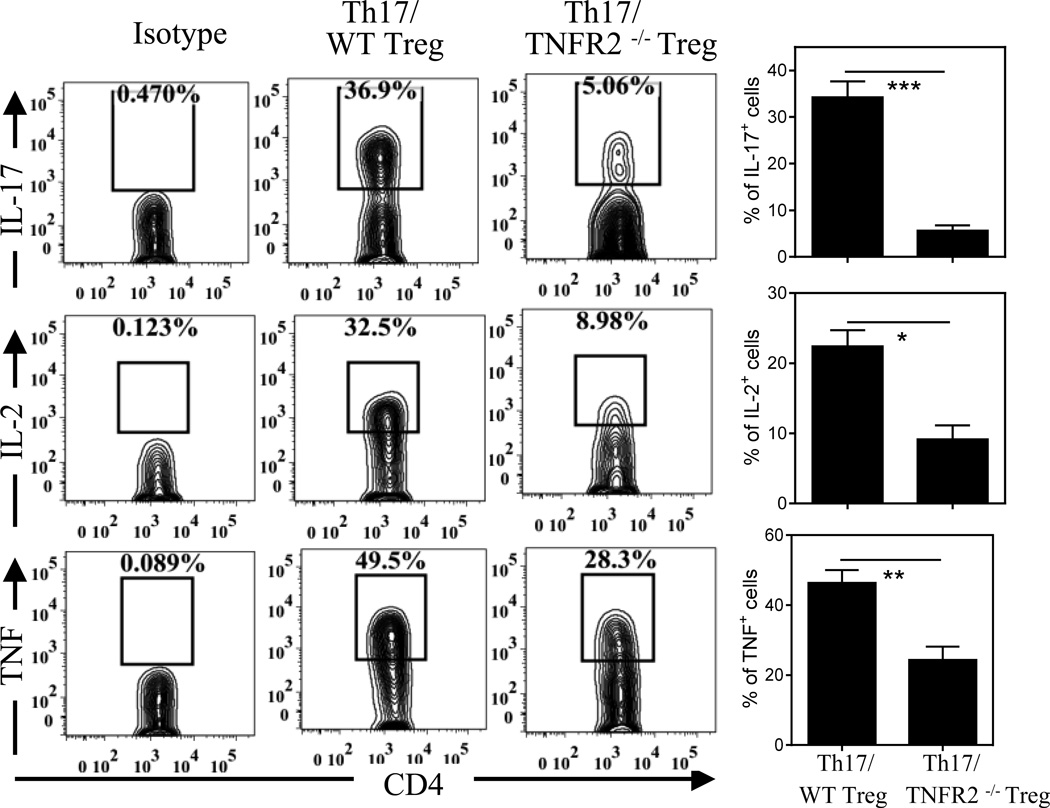
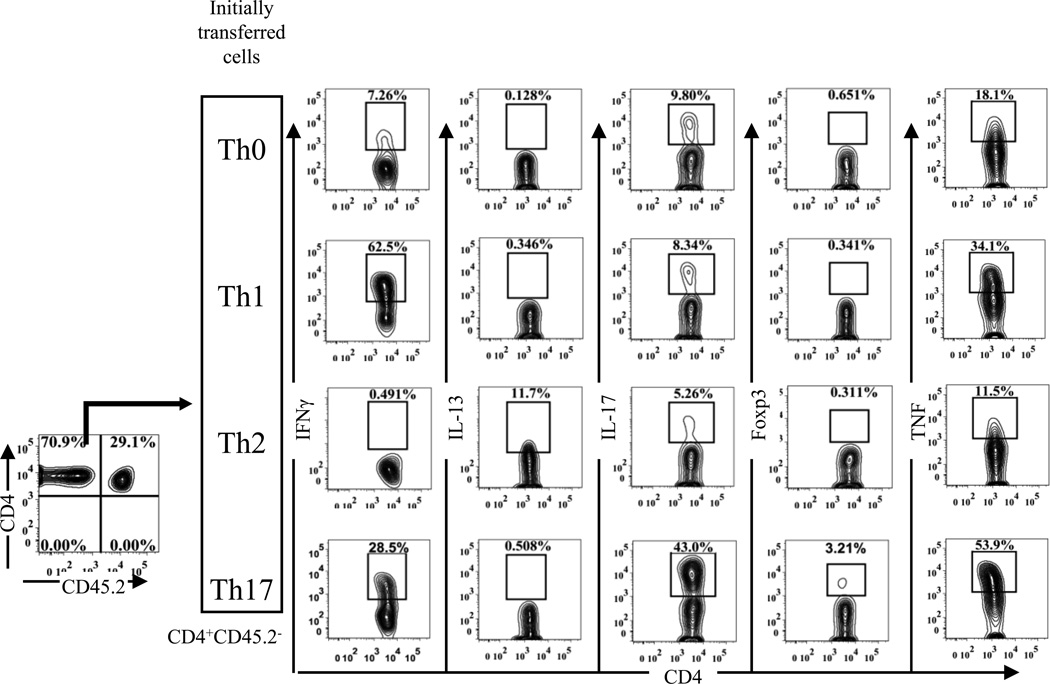
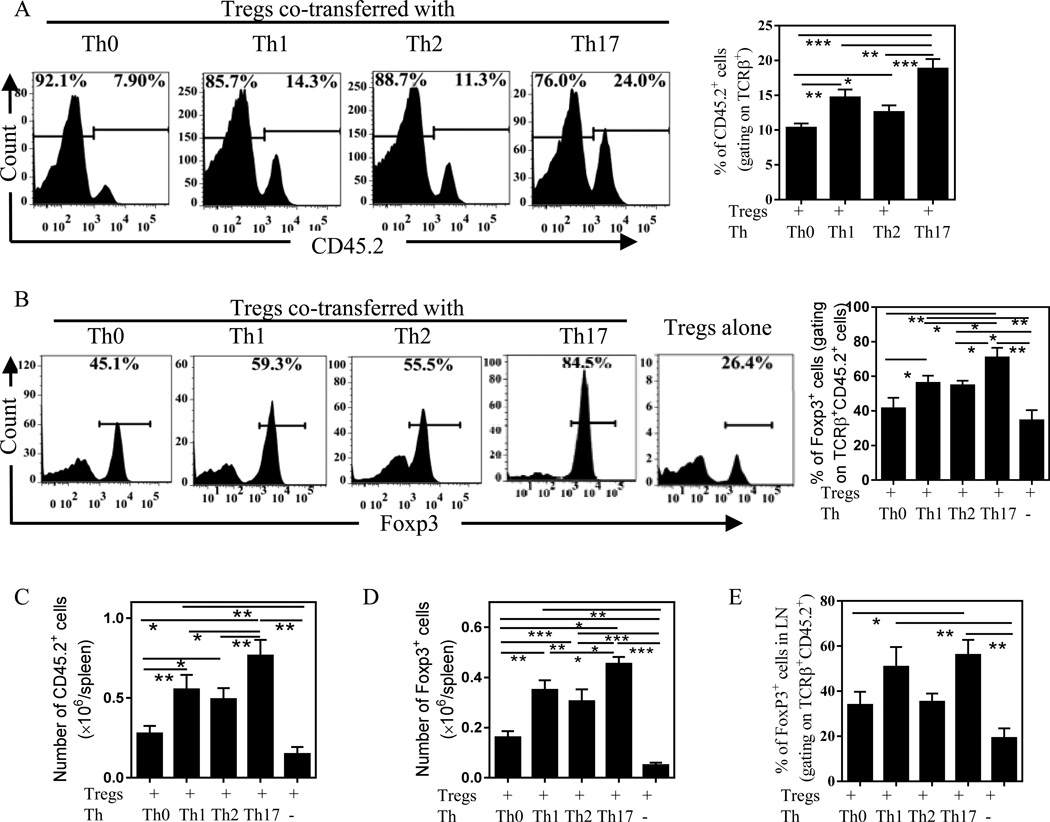
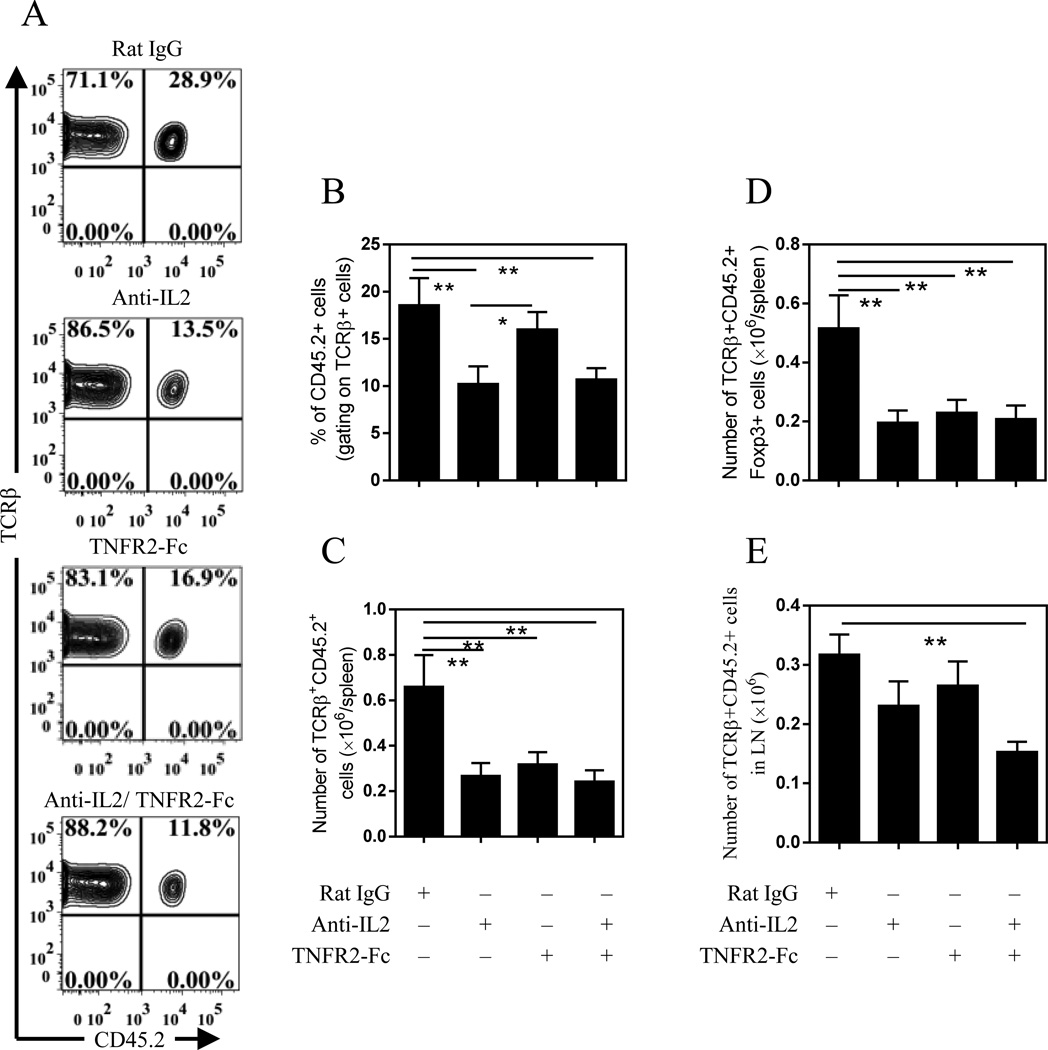
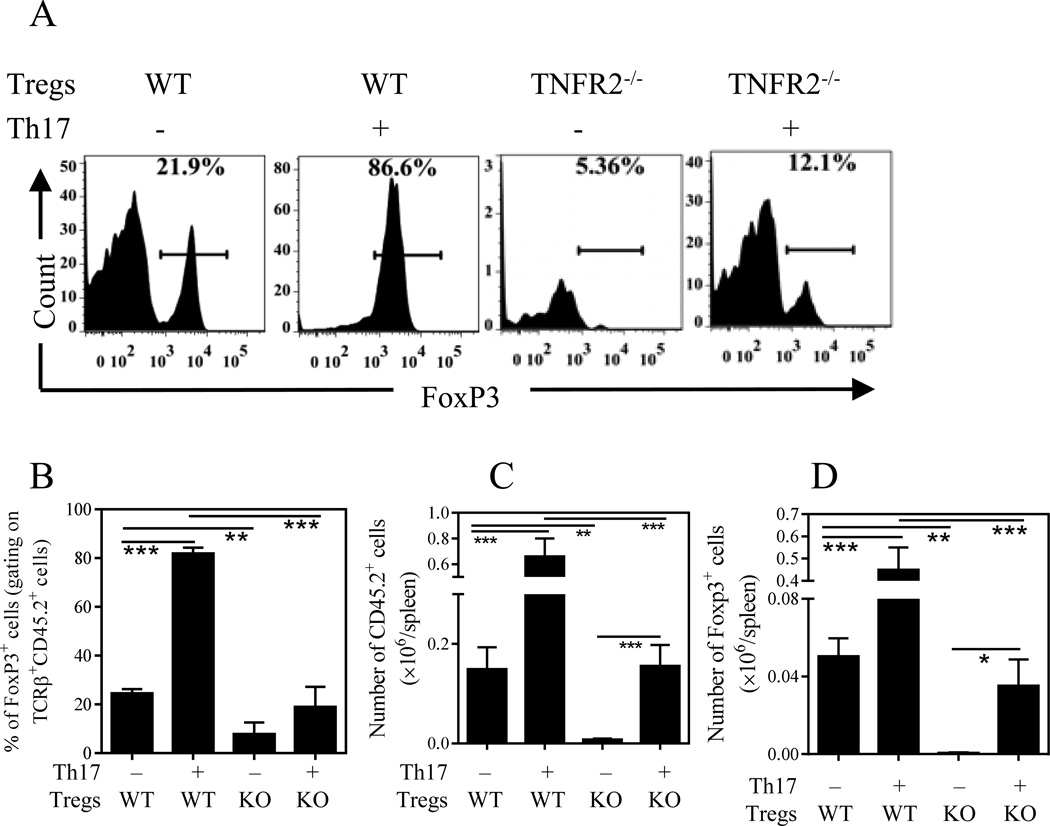
CD4(+) T cells stimulate immune responses through distinct patterns of cytokine produced by Th1, Th2 or Th17 cells, or inhibit immune responses through Foxp3-expressing regulatory T cells (Tregs). Paradoxically, effector T cells were recently shown to activate Tregs, however, it remains unclear which Th subset is responsible for this effect. In this study, we found that Th17 cells expressed the highest levels of TNF among in vitro generated Th subsets, and most potently promoted expansion and stabilized Foxp3 expression by Tregs when co-transferred into Rag1(-/-) mice. Both TNF and IL-2 produced by Th17 cells contributed to this effect. The stimulatory effect of Th17 cells on Tregs was largely abolished when co-transferred with TNFR2-deficient Tregs. Furthermore, Tregs deficient in TNFR2 also supported a much lower production of IL-17A and TNF expression by co-transferred Th17 cells. Thus, our data indicate that the TNF-TNFR2 pathway plays a crucial role in the reciprocal stimulatory effect of Th17 cells and Tregs. This bidirectional interaction should be taken into account when designing therapy targeting Th17 cells, Tregs, TNF and TNFR2.
CD4(+) T细胞通过Th1、Th2或Th17细胞产生的不同细胞因子模式刺激免疫反应,或通过表达Foxp3的调节性T细胞(Tregs)抑制免疫反应。然而,矛盾的是,效应T细胞最近被证明可激活Tregs,但尚不清楚哪个Th亚群对此效应负责。在本研究中,我们发现Th17细胞在体外产生的Th亚群中TNF表达水平最高,并且当共同转移到Rag1(-/-)小鼠中时,最有效地促进Tregs的扩增并稳定其Foxp3表达。Th17细胞产生的TNF和IL-2均促成了此效应。当与TNFR2缺陷的Tregs共同转移时,Th17细胞对Tregs的刺激作用在很大程度上被消除。此外,TNFR2缺陷的Tregs也使得共同转移的Th17细胞产生的IL-17A和TNF表达水平低得多。因此,我们的数据表明TNF-TNFR2途径在Th17细胞与Tregs的相互刺激作用中起关键作用。在设计针对Th17细胞、Tregs、TNF和TNFR2的治疗方法时,应考虑这种双向相互作用。