State Key Laboratory of Reproductive Biology, Institute of Zoology, Chinese Academy of Sciences, Beijing 100101, China; College of Life Science, Northeast Agricultural University of China, Harbin 150030, China.
Genomics Proteomics Bioinformatics. 2013 Oct;11(5):304-11. doi: 10.1016/j.gpb.2013.08.002. Epub 2013 Sep 28.
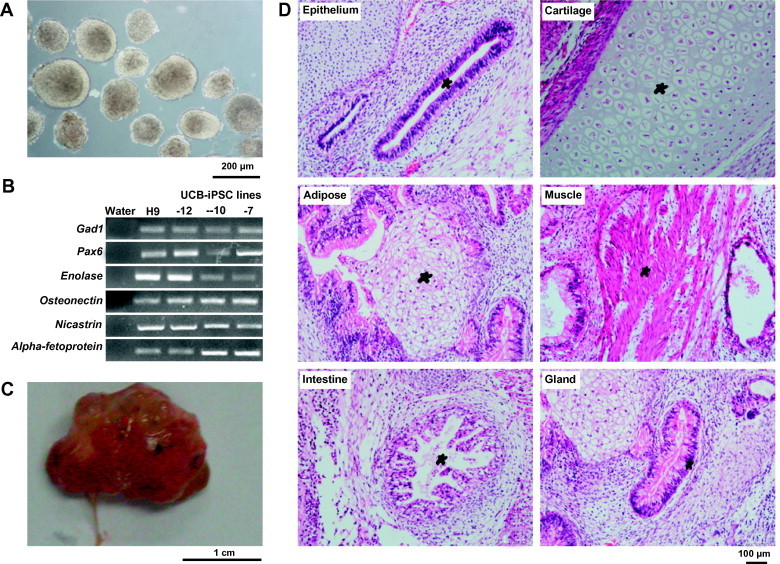
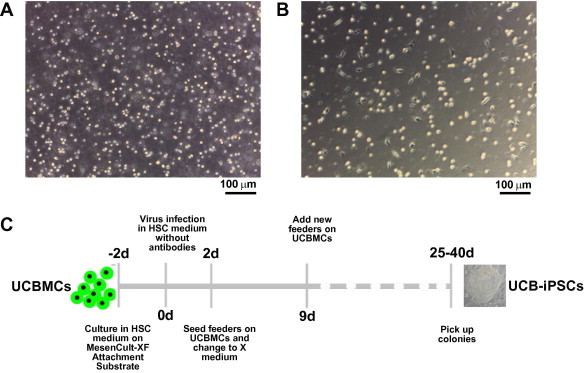
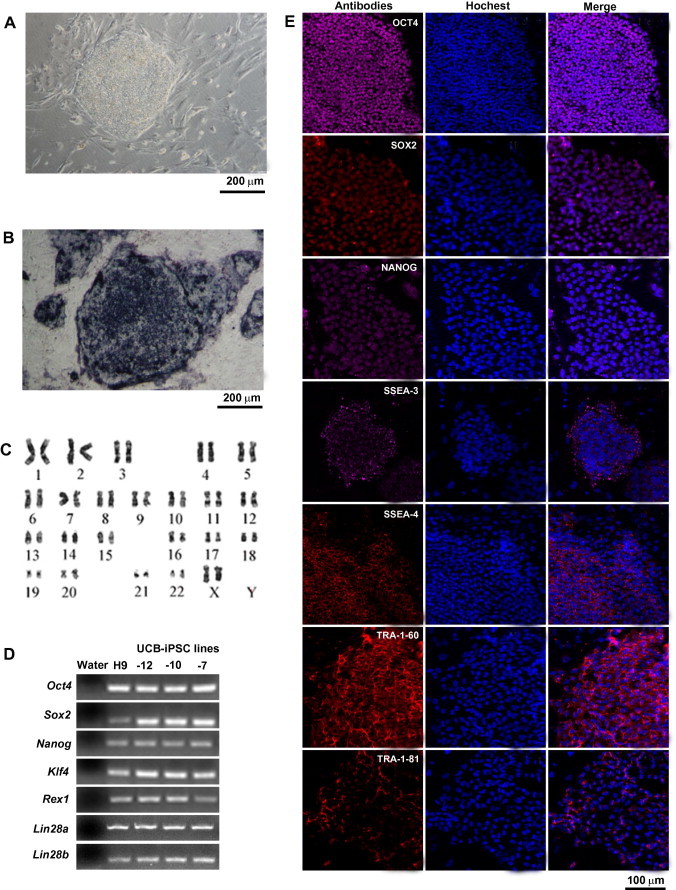
Human induced pluripotent stem cells (iPSCs) hold great promise for regenerative medicine. Generating iPSCs from immunologically immature newborn umbilical cord blood mononuclear cells (UCBMCs) is of great significance. Here we report generation of human iPSCs with great efficiency from UCBMCs using a dox-inducible lentiviral system carrying four Yamanaka factors. We generated these cells by optimizing the existing iPSC induction protocol. The UCBMC-derived iPSCs (UCB-iPSCs) have characteristics that are identical to pluripotent human embryonic stem cells (hESCs). This study highlights the use of UCBMCs to generate highly functional human iPSCs that could accelerate the development of cell-based regenerative therapy for patients suffering from various diseases.
人诱导多能干细胞(iPSCs)在再生医学中具有巨大的应用潜力。从免疫不成熟的新生儿脐带血单个核细胞(UCBMCs)中生成 iPSCs 具有重要意义。在此,我们报道了使用携带四个 Yamanaka 因子的 dox 诱导性慢病毒系统,从 UCBMCs 中高效生成人 iPSCs 的方法。我们通过优化现有的 iPSC 诱导方案来生成这些细胞。UCB 来源的 iPSCs(UCB-iPSCs)具有与多能人类胚胎干细胞(hESCs)相同的特征。这项研究强调了利用 UCBMCs 生成高度功能性的人 iPSCs,这可能会加速针对各种疾病患者的基于细胞的再生疗法的发展。