University of Brest, LUBEM EA 3882, SFR 148, Quimper 29000, France.
Mar Drugs. 2013 Sep 30;11(10):3632-60. doi: 10.3390/md11103632.
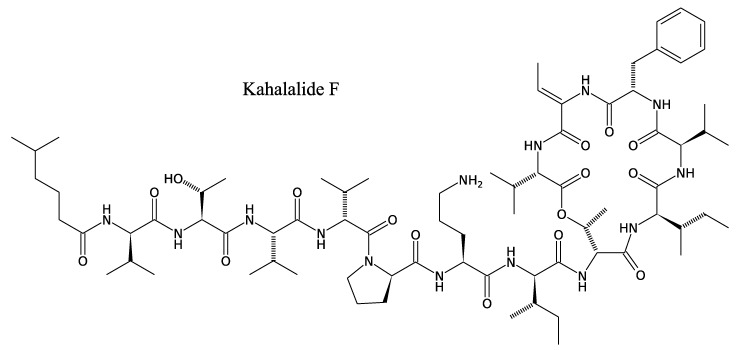
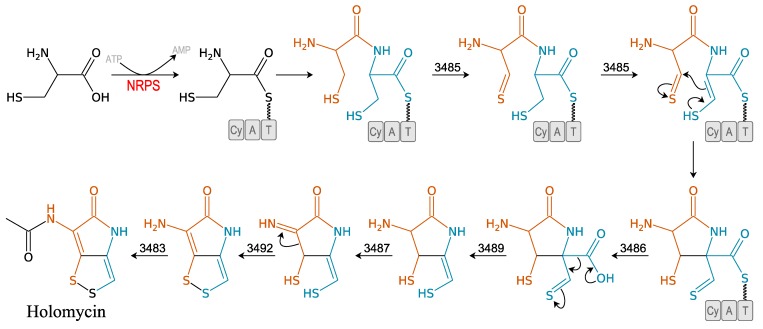
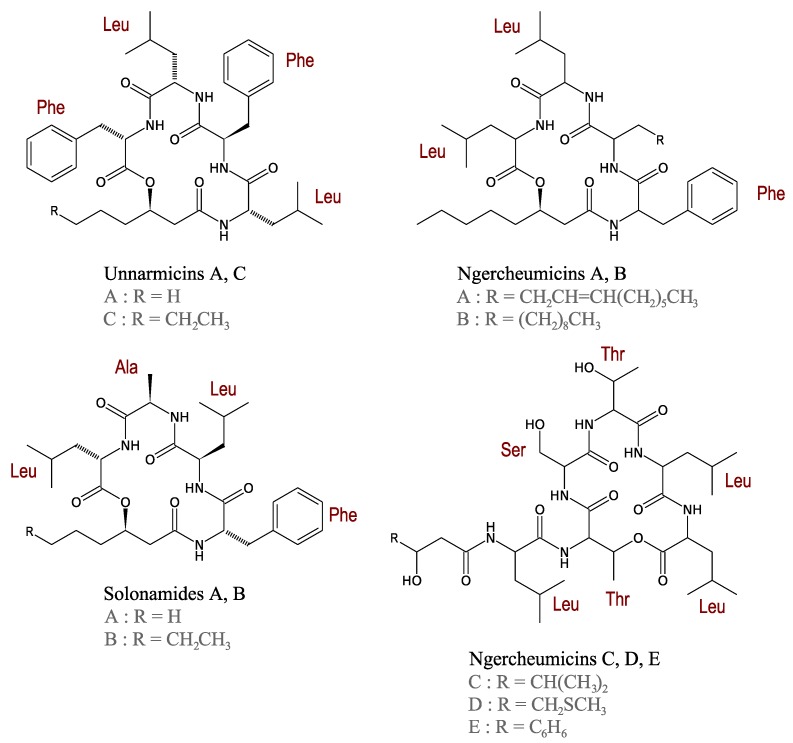
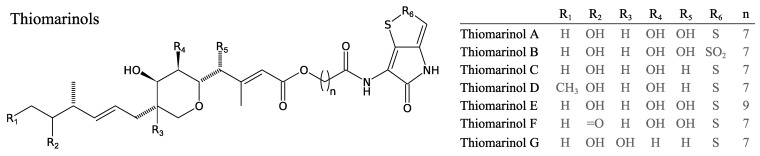
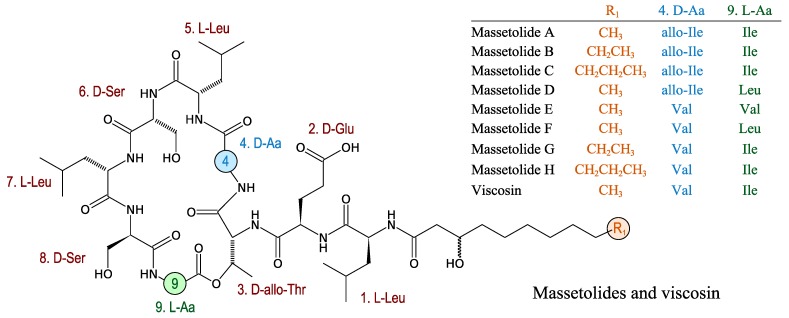
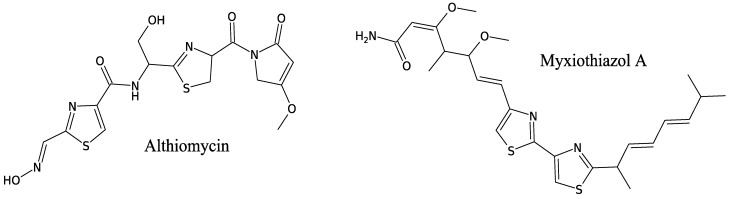
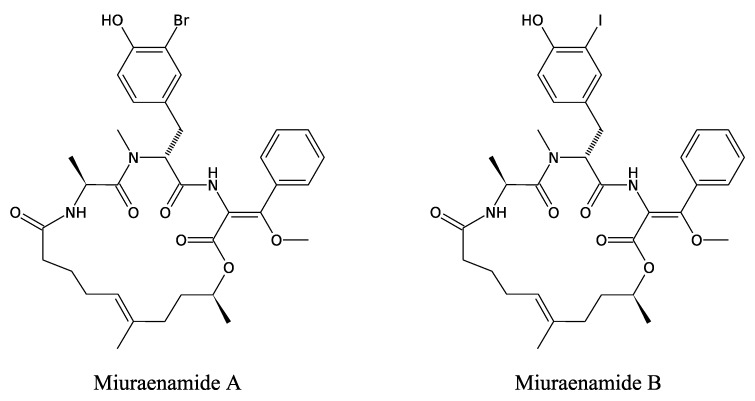
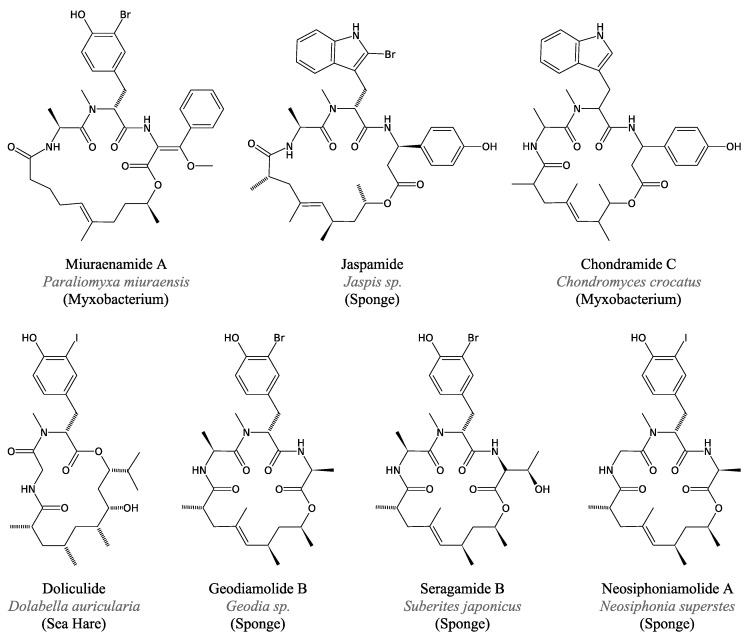
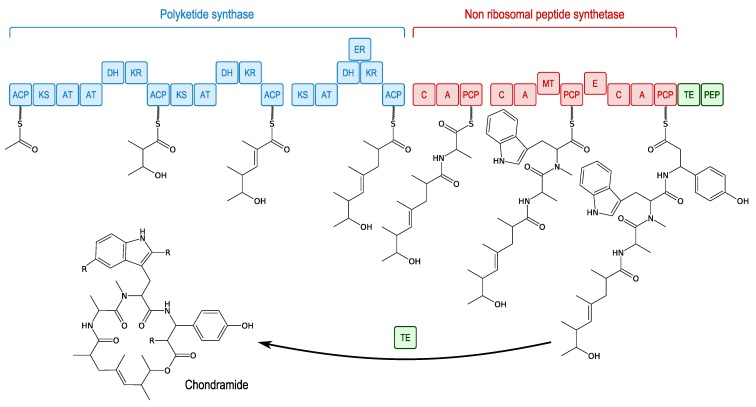
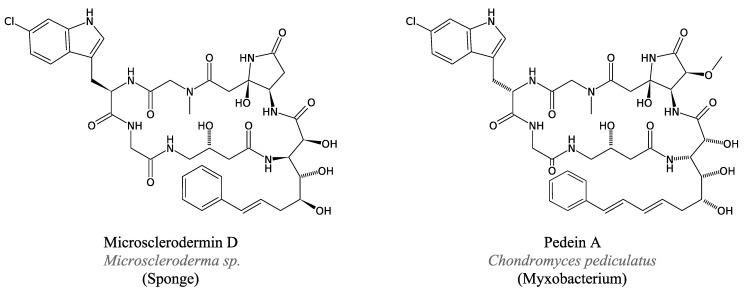
After years of inadequate use and the emergence of multidrug resistant (MDR) strains, the efficiency of "classical" antibiotics has decreased significantly. New drugs to fight MDR strains are urgently needed. Bacteria hold much promise as a source of unusual bioactive metabolites. However, the potential of marine bacteria, except for Actinomycetes and Cyanobacteria, has been largely underexplored. In the past two decades, the structures of several antimicrobial compounds have been elucidated in marine Proteobacteria. Of these compounds, polyketides (PKs), synthesised by condensation of malonyl-coenzyme A and/or acetyl-coenzyme A, and non-ribosomal peptides (NRPs), obtained through the linkage of (unusual) amino acids, have recently generated particular interest. NRPs are good examples of naturally modified peptides. Here, we review and compile the data on the antimicrobial peptides isolated from marine Proteobacteria, especially NRPs.
经过多年的低效使用和多药耐药(MDR)菌株的出现,“经典”抗生素的效率显著下降。急需新的药物来对抗 MDR 菌株。细菌作为来源具有很大的希望,可以产生不寻常的生物活性代谢物。然而,除了放线菌和蓝藻外,海洋细菌的潜力在很大程度上尚未得到充分探索。在过去的二十年中,几种海洋变形菌中的几种抗菌化合物的结构已经阐明。在这些化合物中,聚酮化合物(PKs)通过丙二酰辅酶 A 和/或乙酰辅酶 A 的缩合合成,以及通过(不寻常)氨基酸连接获得的非核糖体肽(NRPs),最近引起了特别的关注。NRPs 是天然修饰肽的很好例子。在这里,我们综述并整理了从海洋变形菌中分离出的抗菌肽,特别是 NRPs 的相关数据。