Kawamura Eiko, Fielding Andrew B, Kannan Nagarajan, Balgi Aruna, Eaves Connie J, Roberge Michel, Dedhar Shoukat
Department of Integrative Oncology, British Columbia Cancer Agency, Vancouver, BC, Canada.
Oncotarget. 2013 Oct;4(10):1763-76. doi: 10.18632/oncotarget.1198.
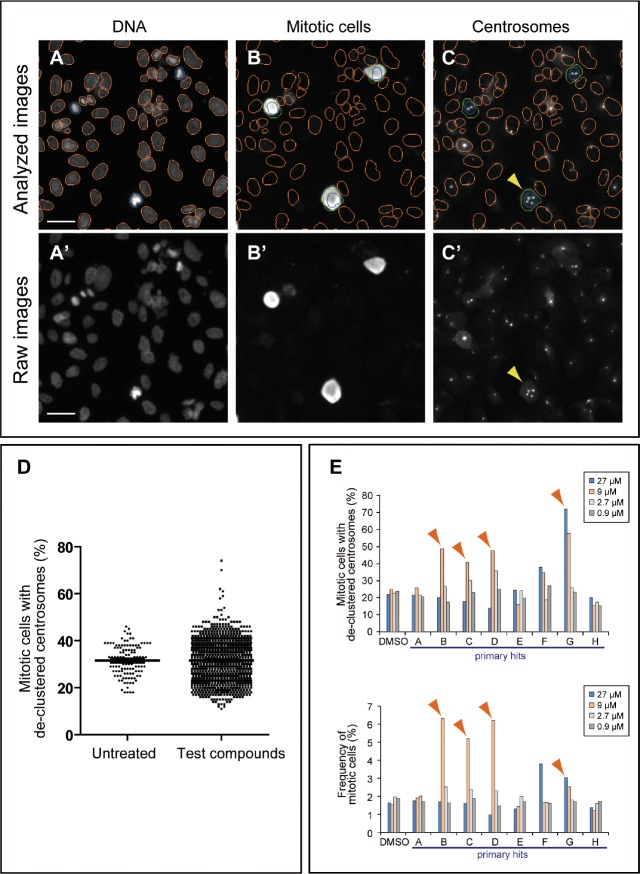
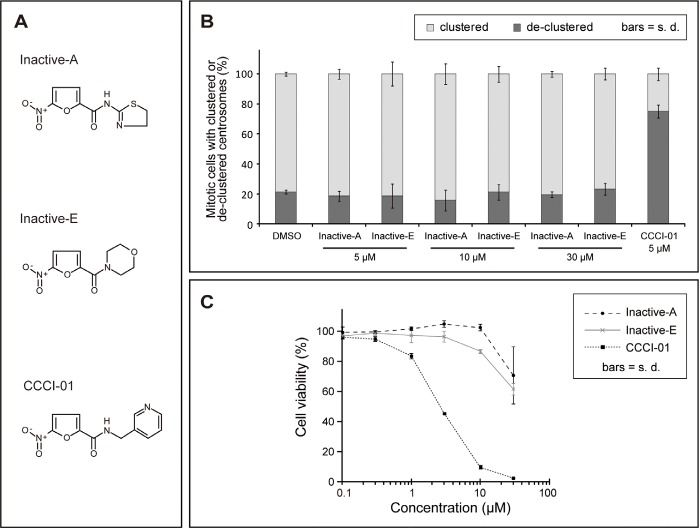
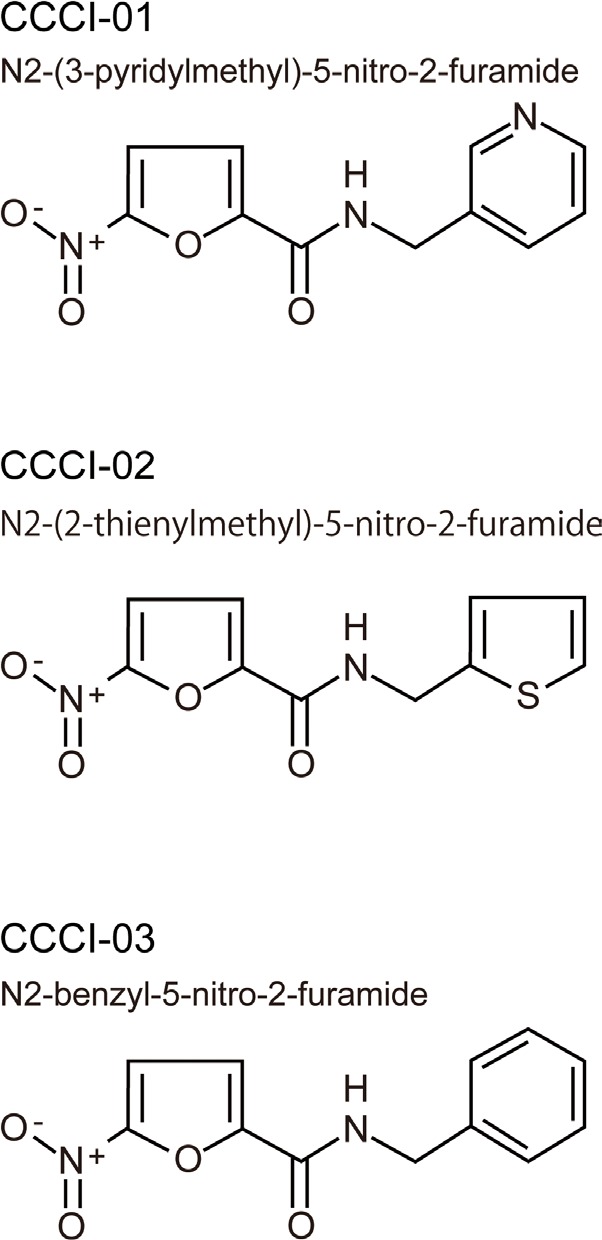
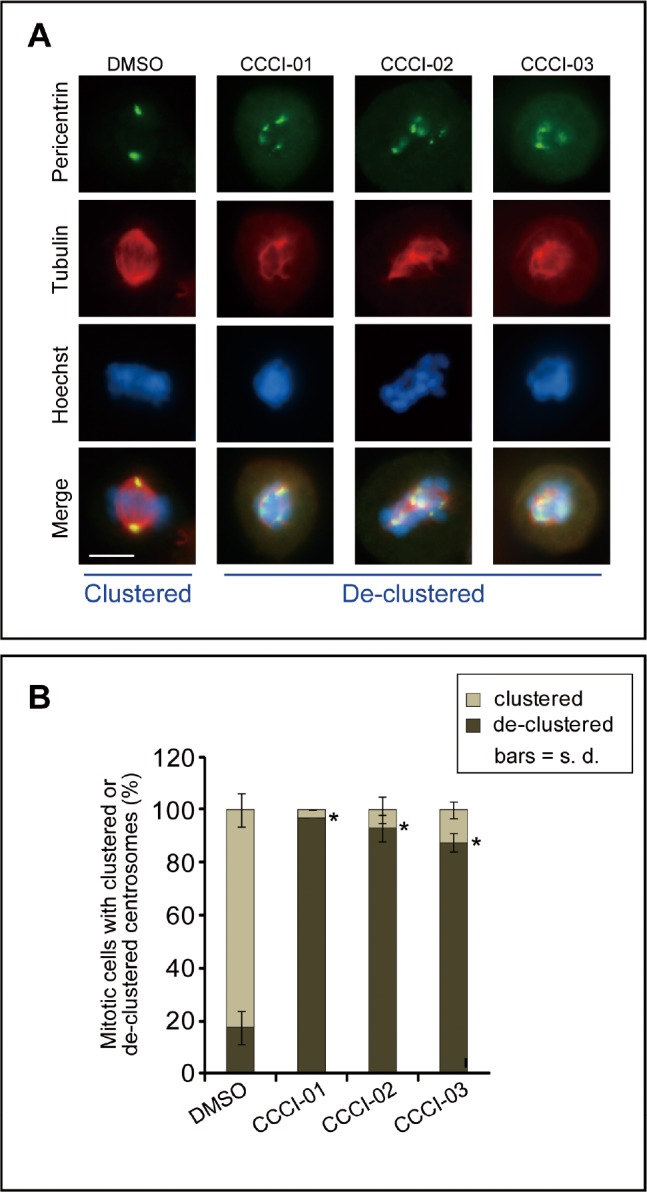
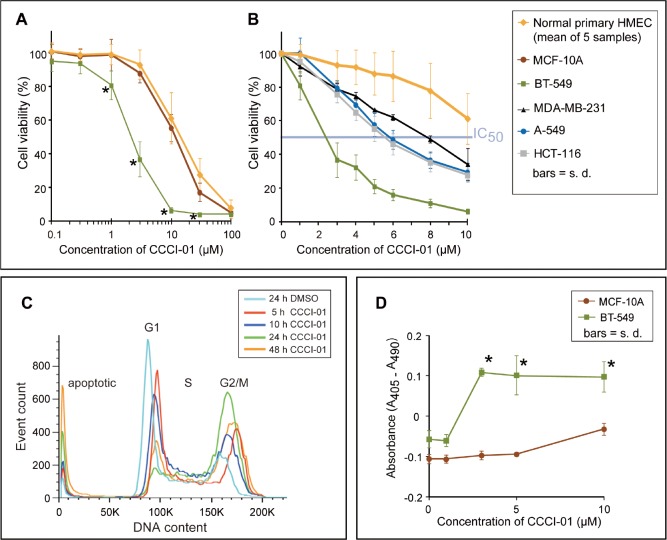
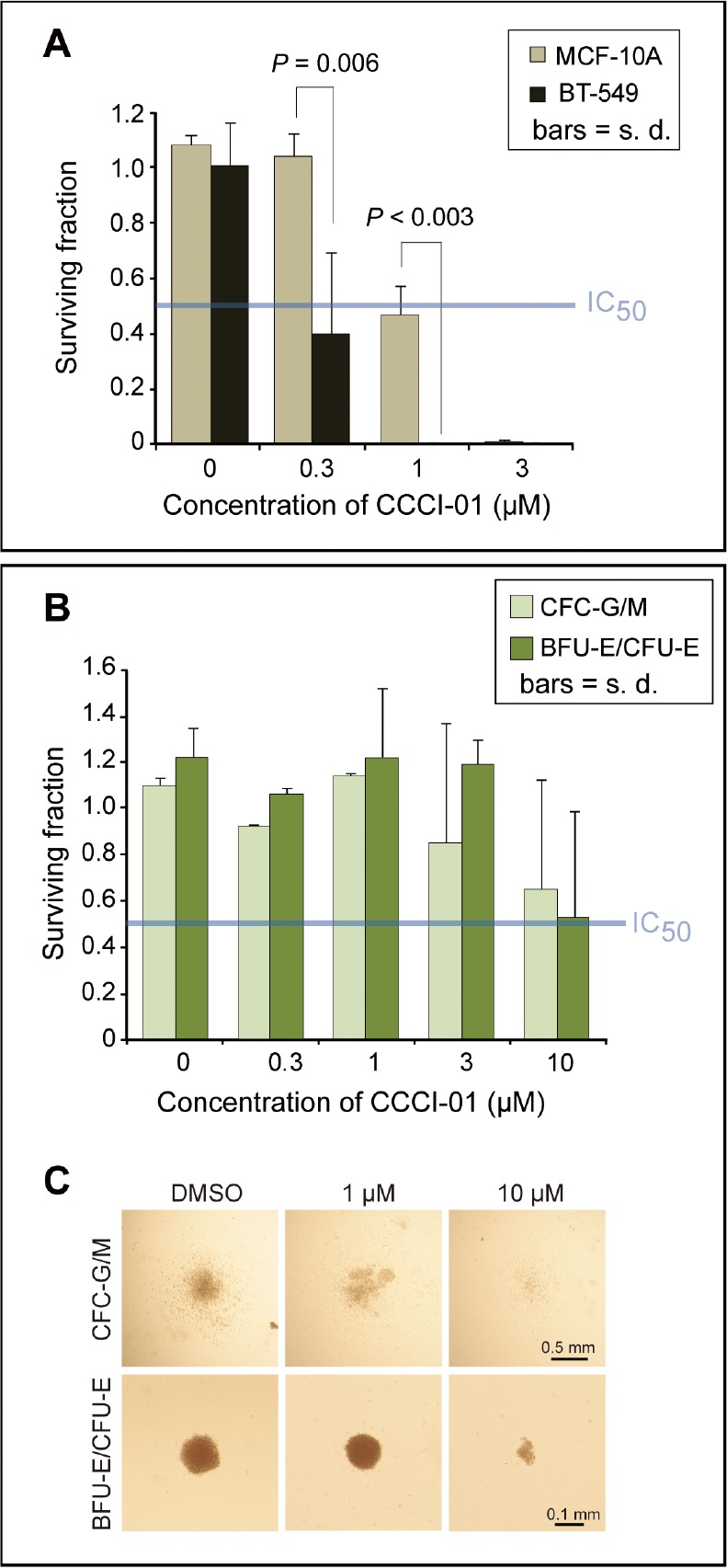
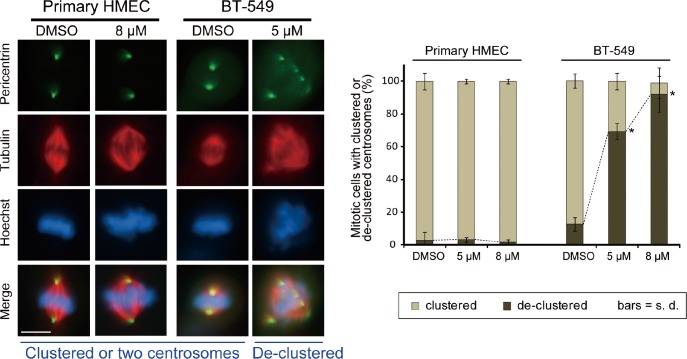
Most normal cells have two centrosomes that form bipolar spindles during mitosis, while cancer cells often contain more than two, or "supernumerary" centrosomes. Such cancer cells achieve bipolar division by clustering their centrosomes into two functional poles, and inhibiting this process then leads to cancer-specific cell death. A major problem with clinically used anti-mitotic drugs, such as paclitaxel, is their toxicity in normal cells. To discover new compounds with greater specificity for cancer cells, we established a high-content screen for agents that block centrosome clustering in BT-549 cells, a breast cancer cell line that harbors supernumerary centrosomes. Using this screen, we identified 14 compounds that inhibit centrosome clustering and induce mitotic arrest. Some of these compounds were structurally similar, suggesting a common structural motif important for preventing centrosome clustering. We next compared the effects of these compounds on the growth of several breast and other cancer cell lines, an immortalized normal human mammary epithelial cell line, and progenitor-enriched primary normal human mammary epithelial cells. From these comparisons, we found some compounds that kill breast cancer cells, but not their normal epithelial counterparts, suggesting their potential for targeted therapy. One of these compounds, N2-(3-pyridylmethyl)-5-nitro-2-furamide (Centrosome Clustering Chemical Inhibitor-01, CCCI-01), that showed the greatest differential response in this screen was confirmed to have selective effects on cancer as compared to normal breast progenitors using more precise apoptosis induction and clonogenic growth endpoints. The concentration of CCCI-01 that killed cancer cells in the clonogenic assay spared normal human bone marrow hematopoietic progenitors in the colony-forming cell assay, indicating a potential therapeutic window for CCCI-01, whose selectivity might be further improved by optimizing the compound. Immunofluorescence analysis showed that treatment with CCCI-01 lead to multipolar spindles in BT-549, while maintaining bipolar spindles in the normal primary human mammary epithelial cells. Since centrosome clustering is a complex process involving multiple pathways, the 14 compounds identified in this study provide a potentially novel means to developing non-cross-resistant anti-cancer drugs that block centrosome clustering.
大多数正常细胞有两个中心体,在有丝分裂期间形成双极纺锤体,而癌细胞通常含有两个以上的中心体,即“多余的”中心体。此类癌细胞通过将其中心体聚集为两个功能极来实现双极分裂,抑制这一过程会导致癌细胞特异性死亡。临床上使用的抗有丝分裂药物,如紫杉醇,其主要问题在于对正常细胞有毒性。为了发现对癌细胞具有更高特异性的新化合物,我们建立了一个高内涵筛选方法,用于筛选能阻断BT - 549细胞(一种含有多余中心体的乳腺癌细胞系)中心体聚集的试剂。利用该筛选方法,我们鉴定出14种抑制中心体聚集并诱导有丝分裂停滞的化合物。其中一些化合物在结构上相似,这表明存在一个对阻止中心体聚集很重要的共同结构基序。接下来,我们比较了这些化合物对几种乳腺癌和其他癌细胞系、一种永生化的正常人乳腺上皮细胞系以及富含祖细胞的原代正常人乳腺上皮细胞生长的影响。通过这些比较,我们发现一些化合物能杀死乳腺癌细胞,但对其正常上皮对应细胞无影响,这表明它们具有靶向治疗的潜力。在该筛选中表现出最大差异反应的其中一种化合物,N2 - (3 - 吡啶甲基)-5 - 硝基 - 2 - 呋喃甲酰胺(中心体聚集化学抑制剂 - 01,CCCI - 01),通过更精确的凋亡诱导和克隆形成生长终点实验,证实其与正常乳腺祖细胞相比对癌细胞具有选择性作用。在克隆形成实验中杀死癌细胞的CCCI - 01浓度,在集落形成细胞实验中对正常人骨髓造血祖细胞没有影响,这表明CCCI - 01存在潜在的治疗窗口,通过优化该化合物其选择性可能会进一步提高。免疫荧光分析表明,用CCCI - 01处理会导致BT - 549细胞出现多极纺锤体,而在原代正常人乳腺上皮细胞中维持双极纺锤体。由于中心体聚集是一个涉及多条途径的复杂过程,本研究中鉴定出的14种化合物为开发阻断中心体聚集的非交叉耐药抗癌药物提供了一种潜在的新方法。