Division of Biological Stress Response (H3), The Netherlands Cancer Institute, Plesmanlaan 121, 1066 CX, Amsterdam, The Netherlands.
Breast Cancer Res Treat. 2013 Oct;141(3):385-95. doi: 10.1007/s10549-013-2707-7. Epub 2013 Oct 4.
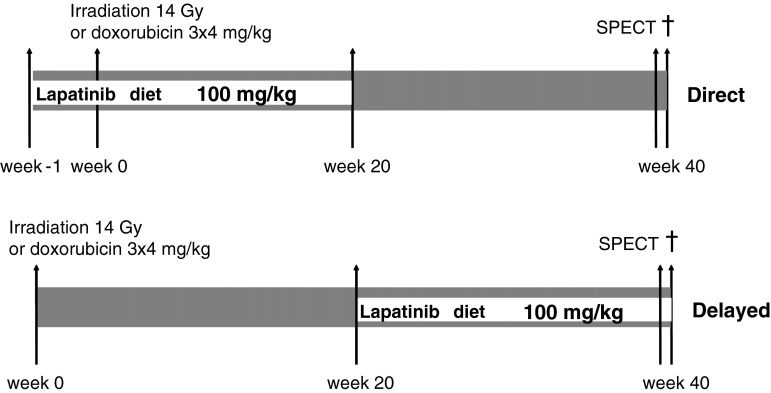
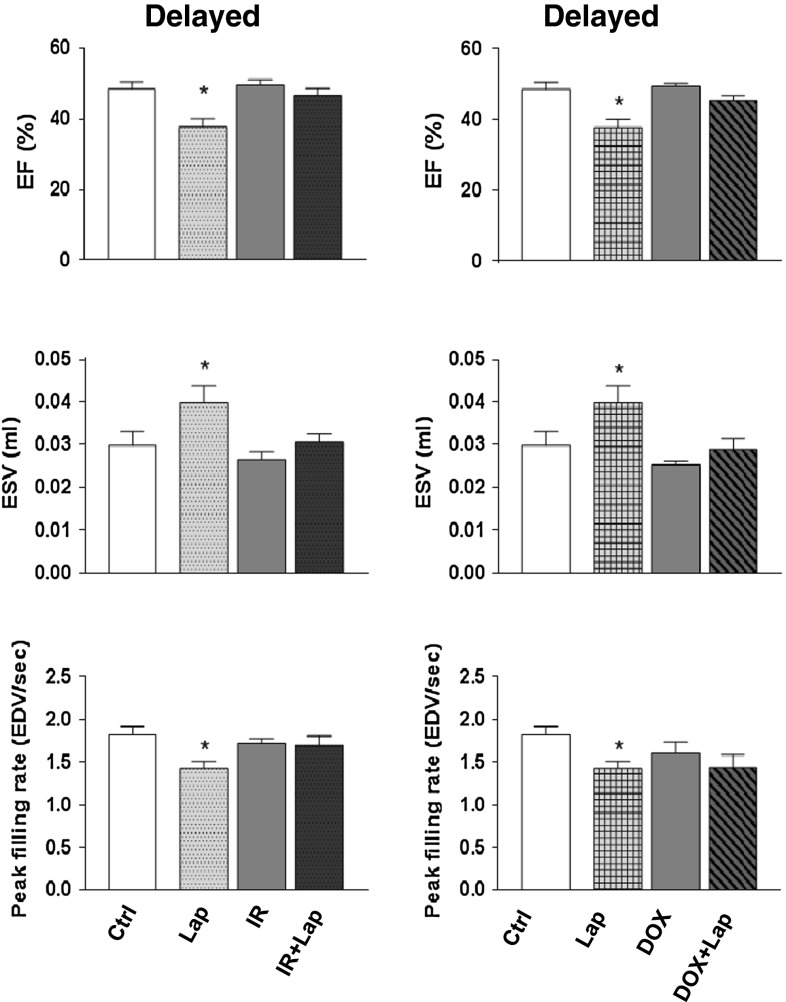
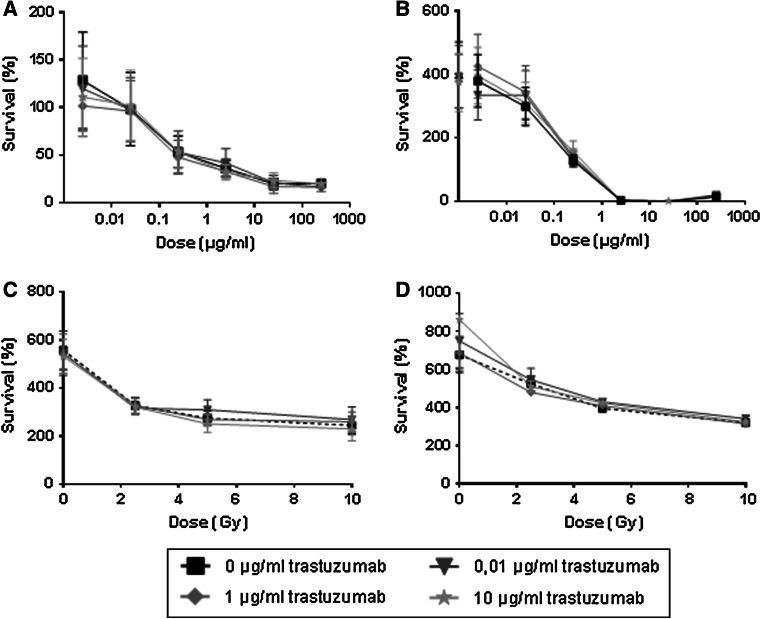
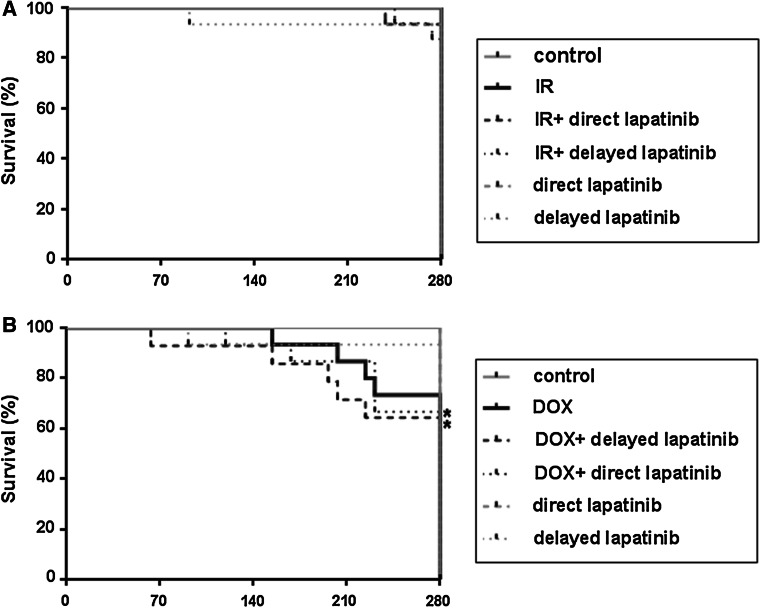
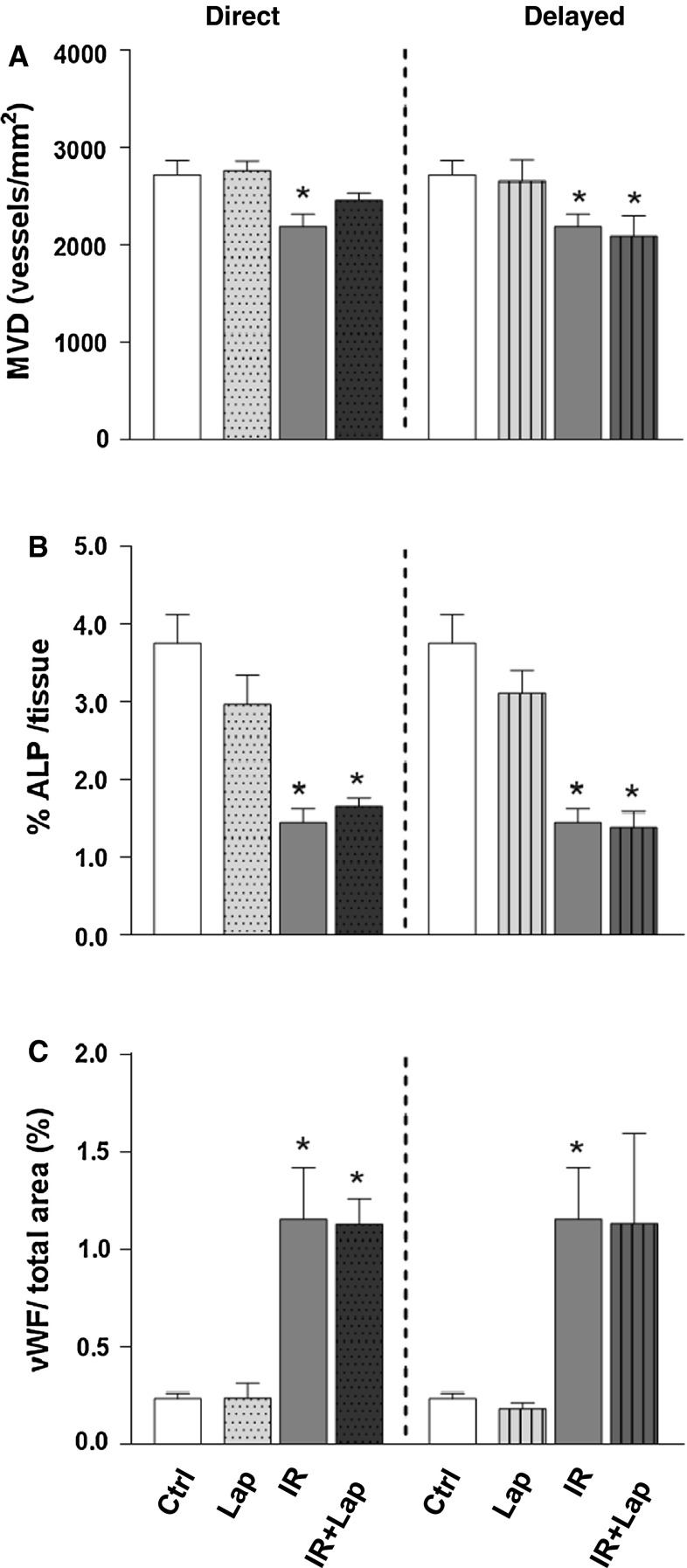
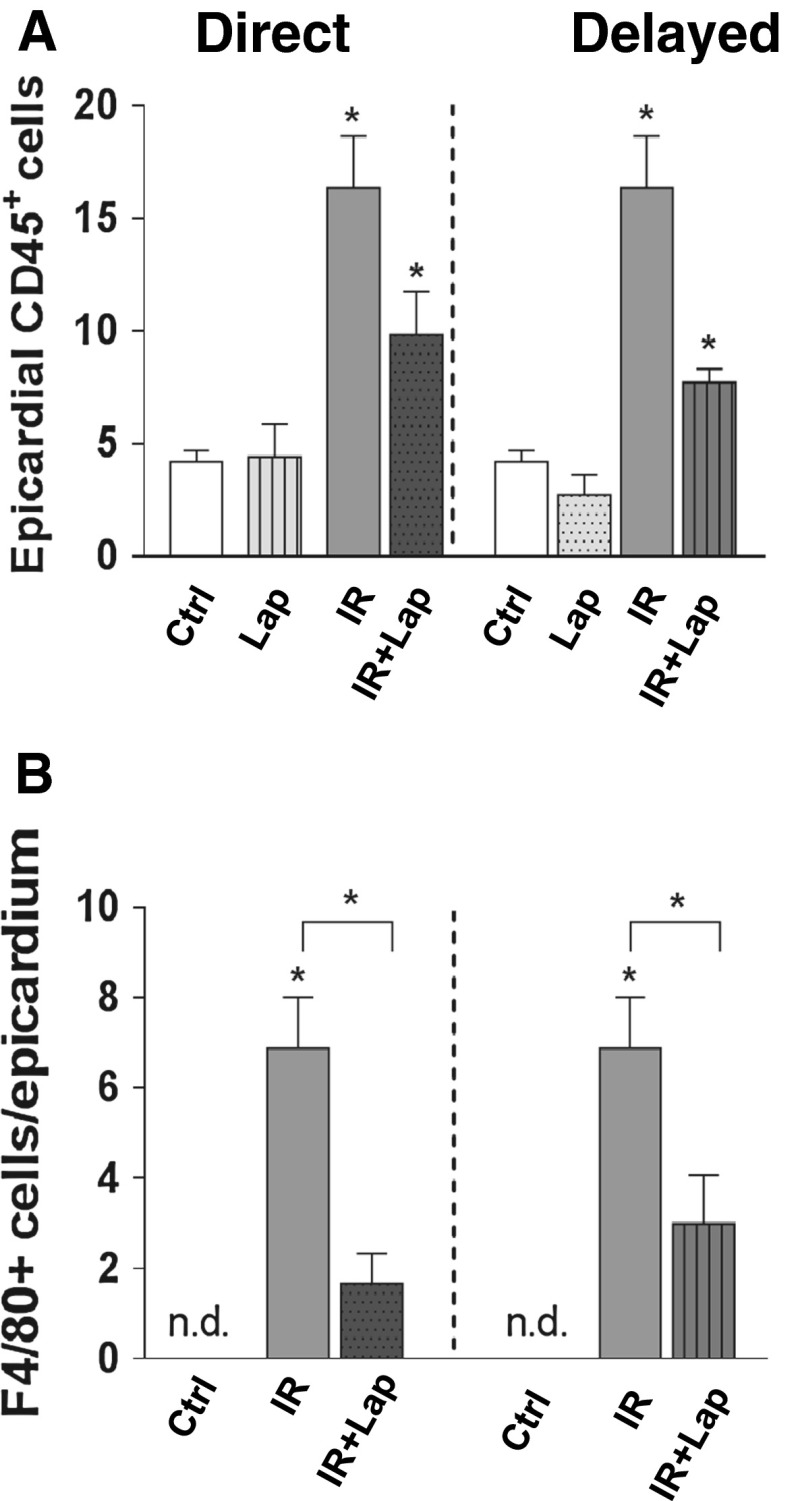
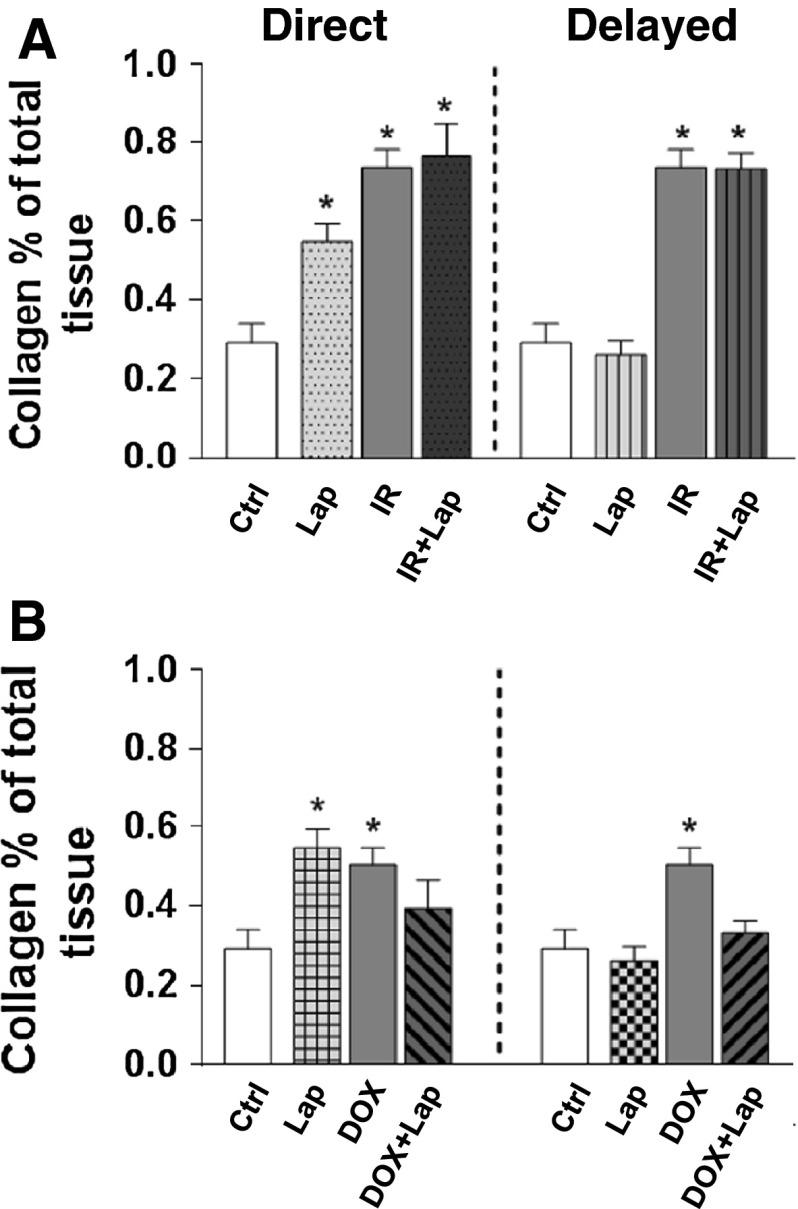
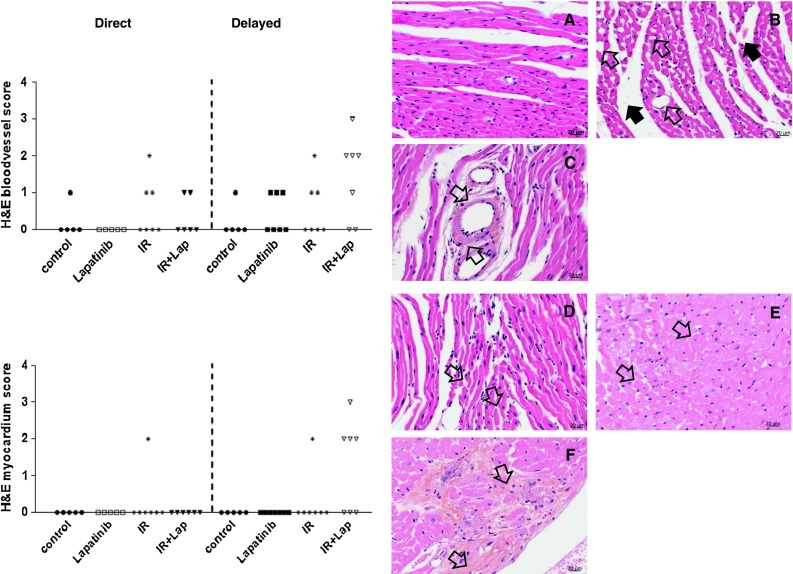
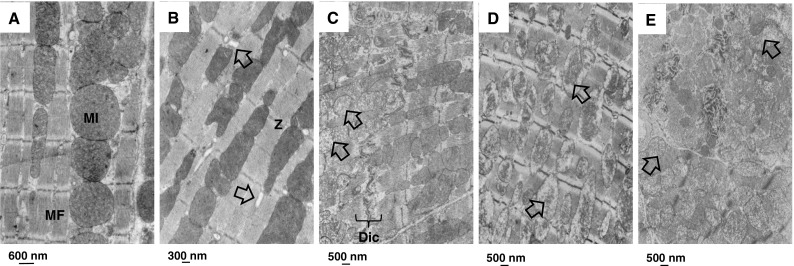
In Her2-positive breast cancer patients, inhibition of epidermal growth factor receptor 2 (ErbB2)-signaling is often combined with chemotherapy and radiotherapy. The risk of cardiac toxicity after anthracyclines and radiotherapy is recognized, but little is known about increased risk when these treatments are combined with ErbB2 inhibition. This study investigated whether ErbB2 inhibition increased radiation or anthracycline-induced toxicity. In an in vitro study, human cardiomyocytes were treated with irradiation or doxorubicin, alone or in combination with trastuzumab, and evaluated for cell survival and growth. Groups of mice received 0 or 14 Gy to the heart, alone or in combination with lapatinib, or 3 × 4 mg/kg doxorubicin alone or in combination with lapatinib. Mice were evaluated 40 weeks after treatment for cardiac damage. Changes in cardiac function ((99m)Tc-Myoview gated SPECT) were related to histomorphology and microvascular damage. Radiation or doxorubicin-induced cardiomyocyte toxicity (in vitro) were not exacerbated by trastuzumab. Cardiac irradiation of mice decreased microvascular density (MVD) and increased endothelial damage in surviving capillaries (decrease alkaline phosphatase expression and increased von Willebrand factor), but these changes were not exacerbated by lapatinib. Inflammatory responses in the irradiated epicardium (CD45+ and F4/80+ cells) were significantly reduced in combination with lapatinib. Irradiation, doxorubicin, and lapatinib each induced cardiac fibrosis but this was not further enhanced when treatments were combined. At the ultra-structural level, both lapatinib and doxorubicin induced mitochondrial damage, which was enhanced in combined treatments. Lapatinib alone also induced mild changes in cardiac function but this was not enhanced in the combined treatments. Trastuzumab did not enhance direct radiation or anthracycline toxicity of cardiomyocytes in vitro. Lapatinib did not enhance the risk of radiation or anthracycline-induced cardiac toxicity in mice up to 40 weeks after treatment, but mitochondrial damage was more severe after doxorubicin combined with lapatinib.
在人表皮生长因子受体 2(HER2)阳性乳腺癌患者中,通常会将表皮生长因子受体 2(HER2)信号抑制剂与化疗和放疗联合使用。人们已经认识到蒽环类药物和放疗后发生心脏毒性的风险,但对于这些治疗方法与 HER2 抑制联合使用时增加的风险知之甚少。本研究旨在探讨 HER2 抑制是否会增加辐射或蒽环类药物诱导的毒性。在一项体外研究中,用辐射或阿霉素单独或联合曲妥珠单抗处理人心肌细胞,并评估细胞存活和生长情况。一组小鼠单独或联合给予心脏 0 或 14Gy 照射,或单独或联合给予拉帕替尼 3×4mg/kg 阿霉素。治疗后 40 周评估小鼠心脏损伤情况。心脏功能变化((99m)Tc-Myoview 门控 SPECT)与组织形态学和微血管损伤相关。曲妥珠单抗并未加重辐射或阿霉素诱导的心肌细胞毒性(体外)。对小鼠进行心脏照射会降低微血管密度(MVD)并增加存活毛细血管中的内皮损伤(碱性磷酸酶表达减少和血管性血友病因子增加),但拉帕替尼并未加重这些变化。与单独照射相比,在用拉帕替尼联合照射时,心外膜中的炎症反应(CD45+和 F4/80+细胞)明显减少。单独照射、阿霉素和拉帕替尼均可诱导心脏纤维化,但联合治疗并未进一步增强。在超微结构水平上,拉帕替尼和阿霉素均诱导了线粒体损伤,而联合治疗则加重了这种损伤。单独使用拉帕替尼也会引起心脏功能的轻微变化,但在联合治疗中并未增强。曲妥珠单抗并未加重体外培养的心肌细胞的直接辐射或蒽环类药物毒性。在治疗后 40 周内,拉帕替尼并未增加辐射或蒽环类药物引起的心脏毒性的风险,但与阿霉素联合使用后,线粒体损伤更为严重。