Department of Electronic Engineering, City University of Hong Kong, Kowloon, Hong Kong.
Sci Rep. 2013 Oct 4;3:2855. doi: 10.1038/srep02855.
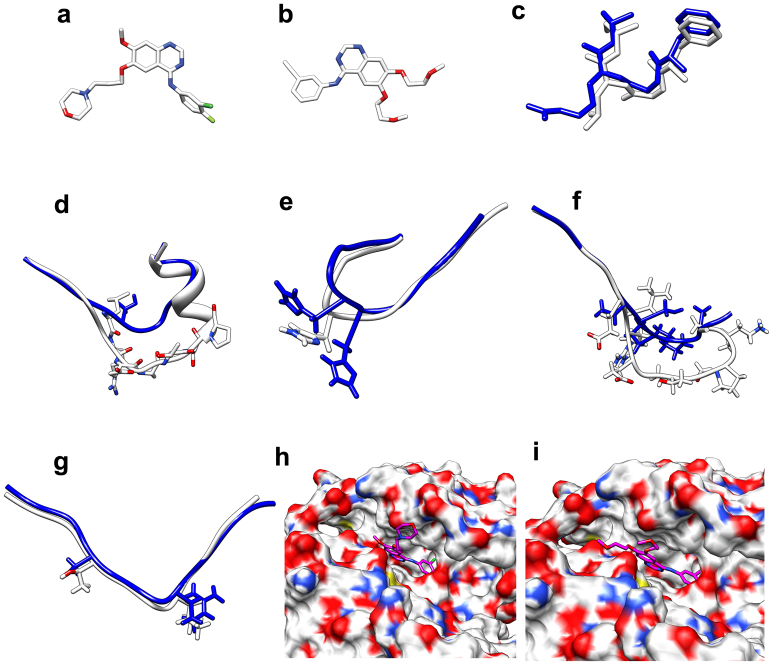
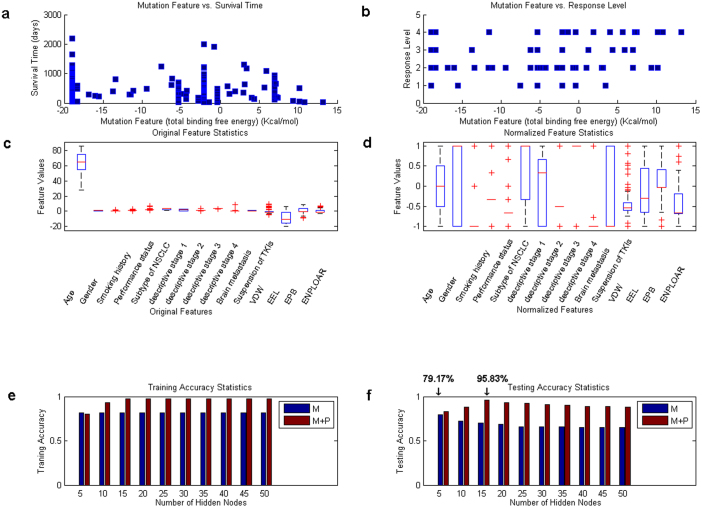
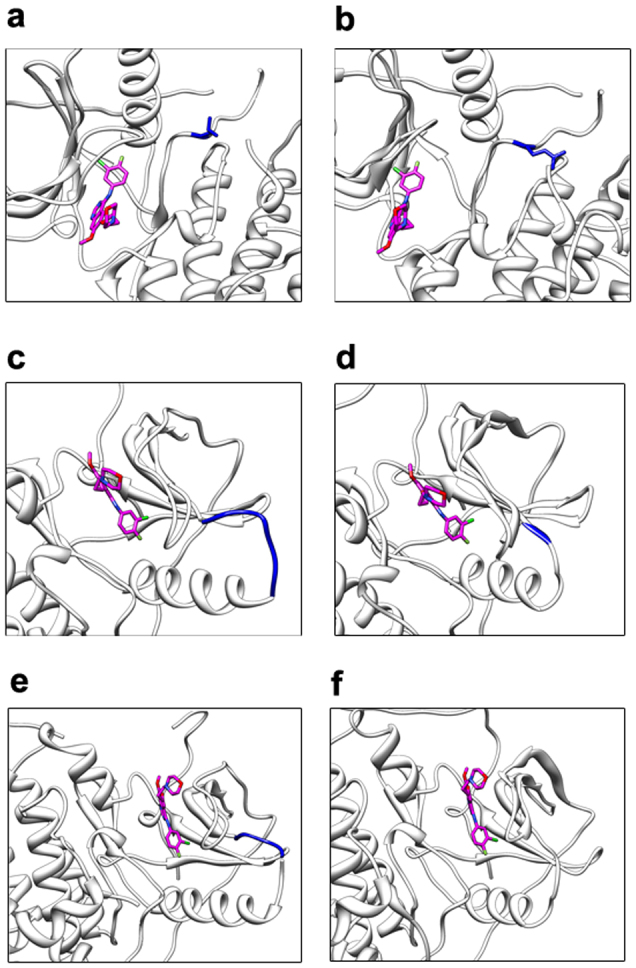
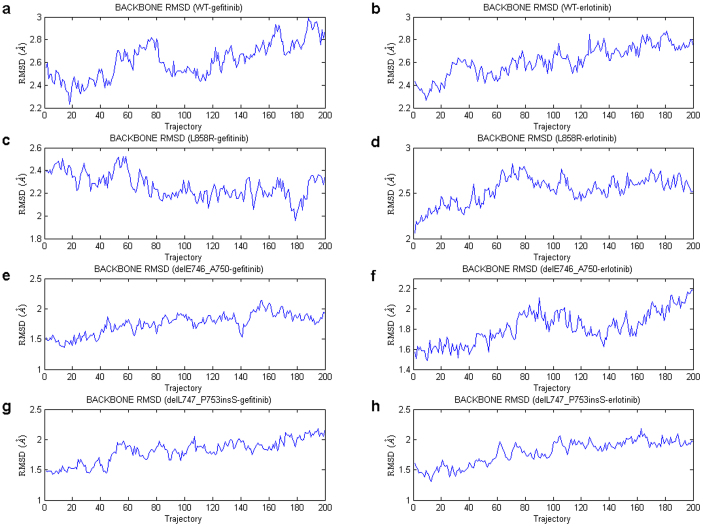
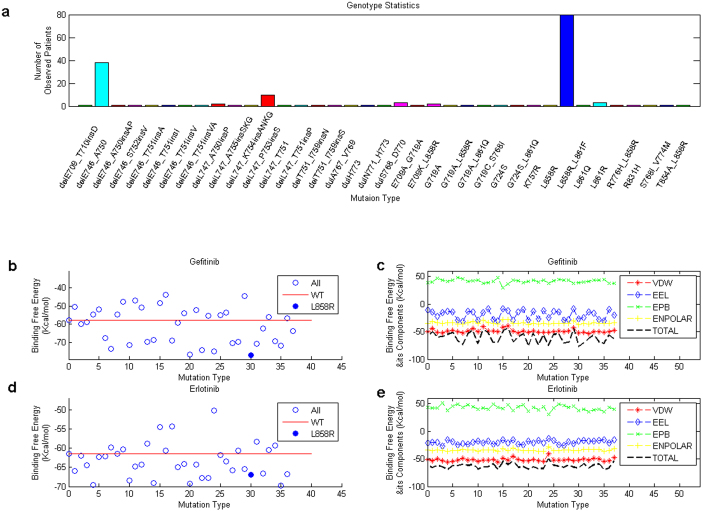
EGFR mutation-induced drug resistance has significantly impaired the potency of small molecule tyrosine kinase inhibitors in lung cancer treatment. Computational approaches can provide powerful and efficient techniques in the investigation of drug resistance. In our work, the EGFR mutation feature is characterized by the energy components of binding free energy (concerning the mutant-inhibitor complex), and we combine it with specific personal features for 168 clinical subjects to construct a personalized drug resistance prediction model. The 3D structure of an EGFR mutant is computationally predicted from its protein sequence, after which the dynamics of the bound mutant-inhibitor complex is simulated via AMBER and the binding free energy of the complex is calculated based on the dynamics. The utilization of extreme learning machines and leave-one-out cross-validation promises a successful identification of resistant subjects with high accuracy. Overall, our study demonstrates advantages in the development of personalized medicine/therapy design and innovative drug discovery.
EGFR 突变诱导的药物耐药性显著降低了小分子酪氨酸激酶抑制剂在肺癌治疗中的疗效。计算方法可以为耐药性研究提供强大而有效的技术手段。在我们的工作中,EGFR 突变特征由结合自由能的能量分量(涉及突变体-抑制剂复合物)来描述,我们将其与 168 个临床个体的特定个人特征相结合,构建了一个个性化的药物耐药性预测模型。通过计算从 EGFR 突变体的蛋白质序列中预测出其 3D 结构,然后通过 AMBER 模拟结合的突变体-抑制剂复合物的动力学,并根据动力学计算复合物的结合自由能。极端学习机和留一法交叉验证的使用有望实现对耐药患者的高精度识别。总的来说,我们的研究表明,在个性化医学/治疗设计和创新药物发现方面具有优势。