Plant Biotechnology Unit, Department of Biotechnology, BOKU-VIBT, University of Natural Resources and Life Sciences, Vienna, Austria.
Biotechnol J. 2013 Oct;8(10):1172-82. doi: 10.1002/biot.201300231.
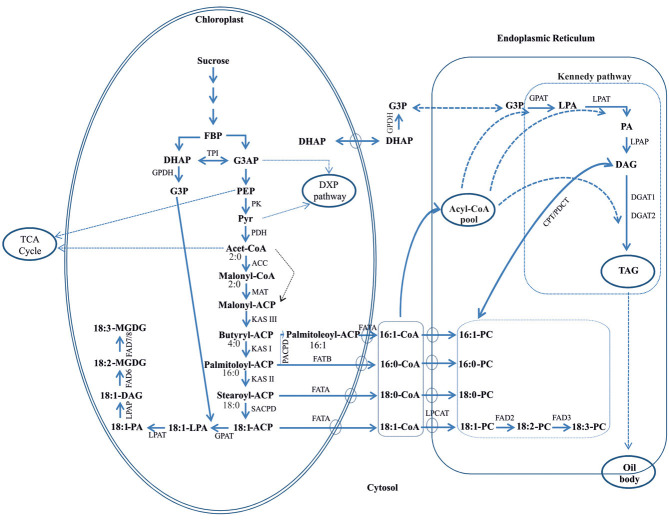
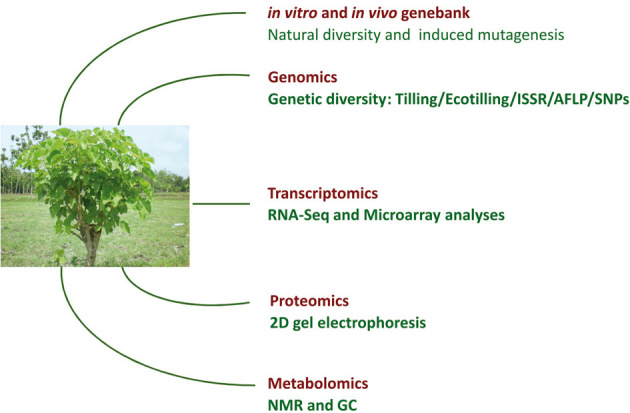
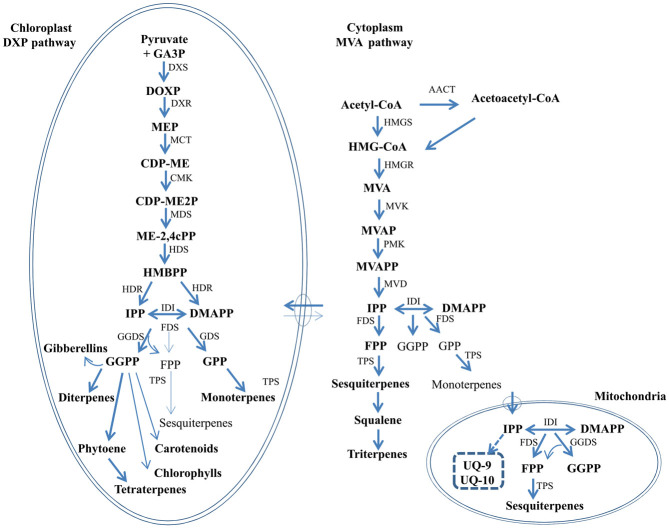
Jatropha curcas is currently attracting much attention as an oilseed crop for biofuel, as Jatropha can grow under climate and soil conditions that are unsuitable for food production. However, little is known about Jatropha, and there are a number of challenges to be overcome. In fact, Jatropha has not really been domesticated; most of the Jatropha accessions are toxic, which renders the seedcake unsuitable for use as animal feed. The seeds of Jatropha contain high levels of polyunsaturated fatty acids, which negatively impact the biofuel quality. Fruiting of Jatropha is fairly continuous, thus increasing costs of harvesting. Therefore, before starting any improvement program using conventional or molecular breeding techniques, understanding gene function and the genome scale of Jatropha are prerequisites. This review presents currently available and relevant information on the latest technologies (genomics, transcriptomics, proteomics and metabolomics) to decipher important metabolic pathways within Jatropha, such as oil and toxin synthesis. Further, it discusses future directions for biotechnological approaches in Jatropha breeding and improvement.
麻疯树作为生物燃料的油料作物,目前正受到广泛关注,因为它可以在不适宜粮食生产的气候和土壤条件下生长。然而,人们对麻疯树知之甚少,还有许多挑战需要克服。事实上,麻疯树并没有真正实现驯化;大多数麻疯树品种是有毒的,这使得麻疯树饼不适宜用作动物饲料。麻疯树种子含有高水平的多不饱和脂肪酸,这会降低生物燃料的质量。麻疯树的结果是相当连续的,因此增加了收获的成本。因此,在使用常规或分子育种技术开始任何改良计划之前,了解基因功能和麻疯树的基因组规模是前提条件。本文综述了目前可利用的相关信息,介绍了最新的技术(基因组学、转录组学、蛋白质组学和代谢组学),以破译麻疯树中重要的代谢途径,如油脂和毒素的合成。此外,还讨论了生物技术在麻疯树育种和改良方面的未来发展方向。