Cold Spring Harbor Laboratory, 1 Bungtown Road, Cold Spring Harbor, New York 11724, USA.
Nature. 2013 Nov 28;503(7477):521-4. doi: 10.1038/nature12676. Epub 2013 Oct 6.
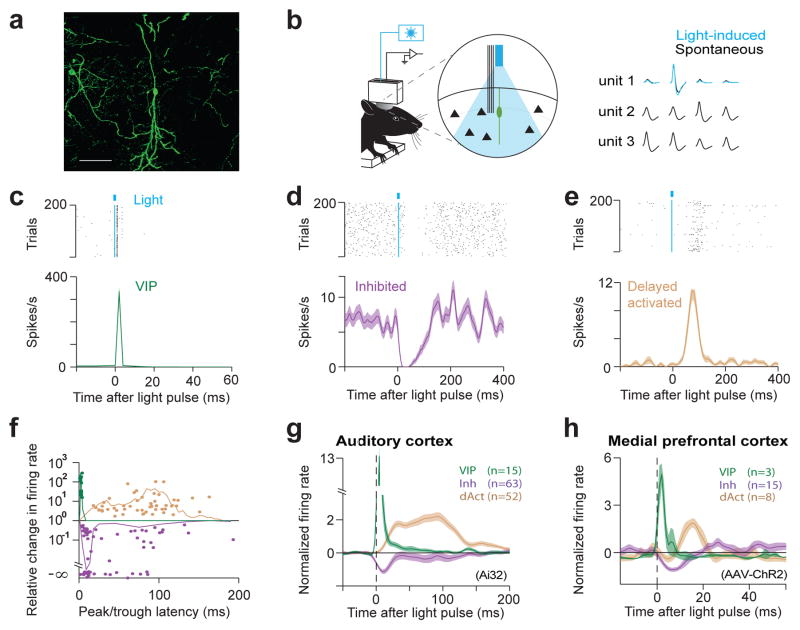
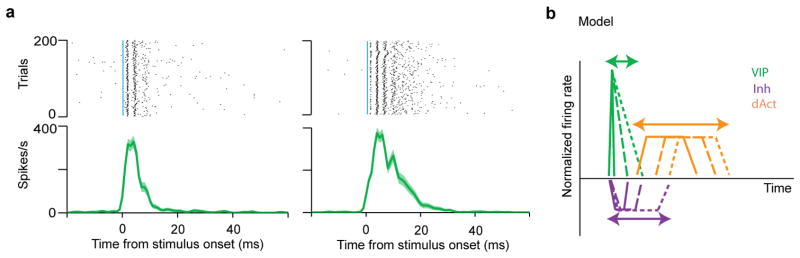
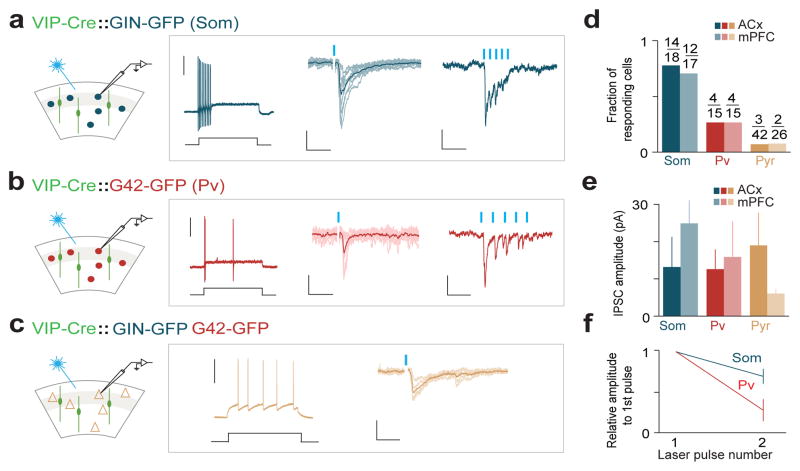
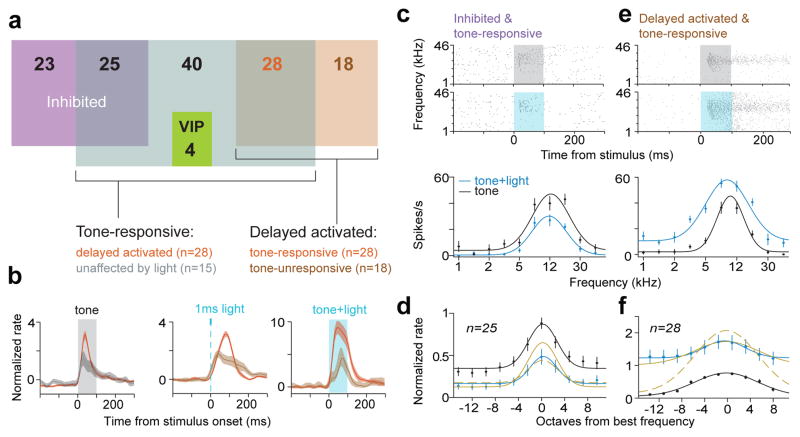
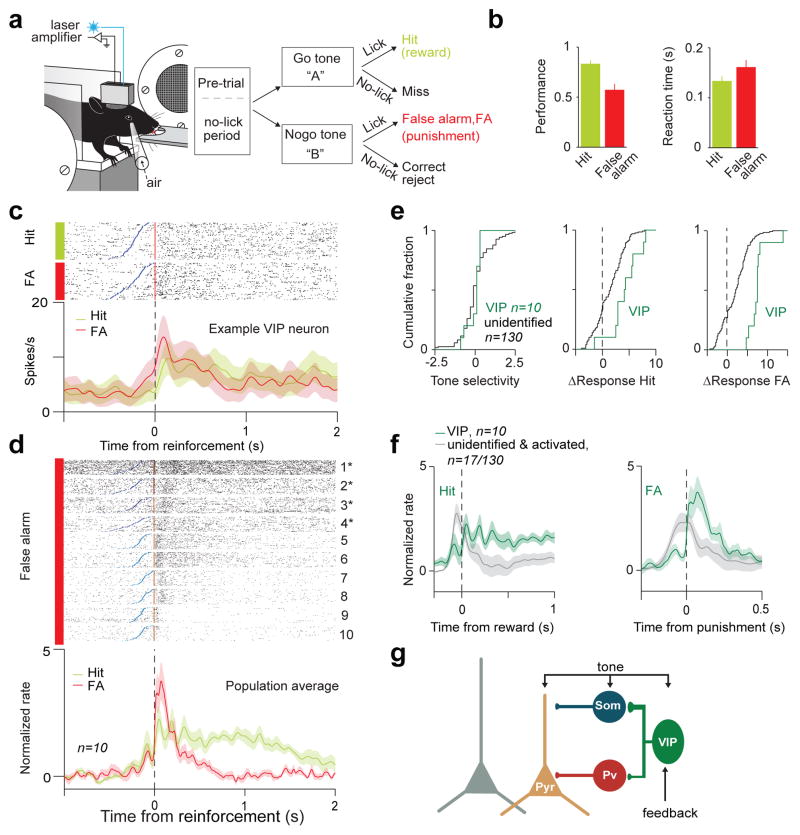
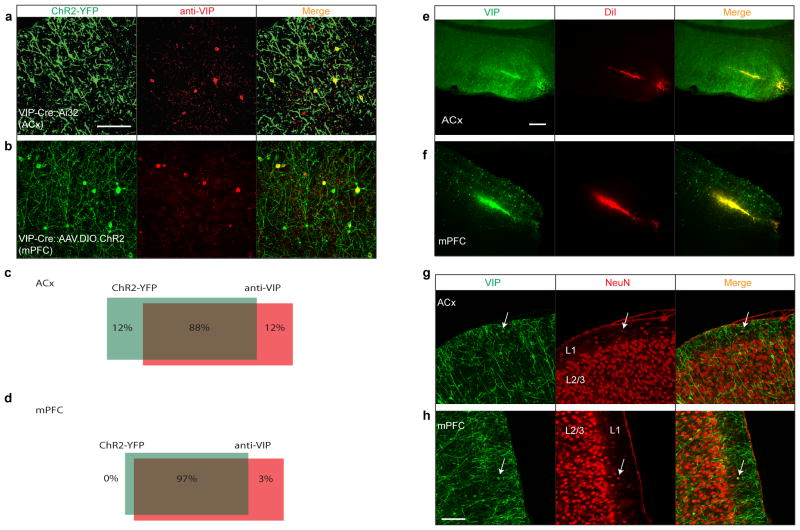
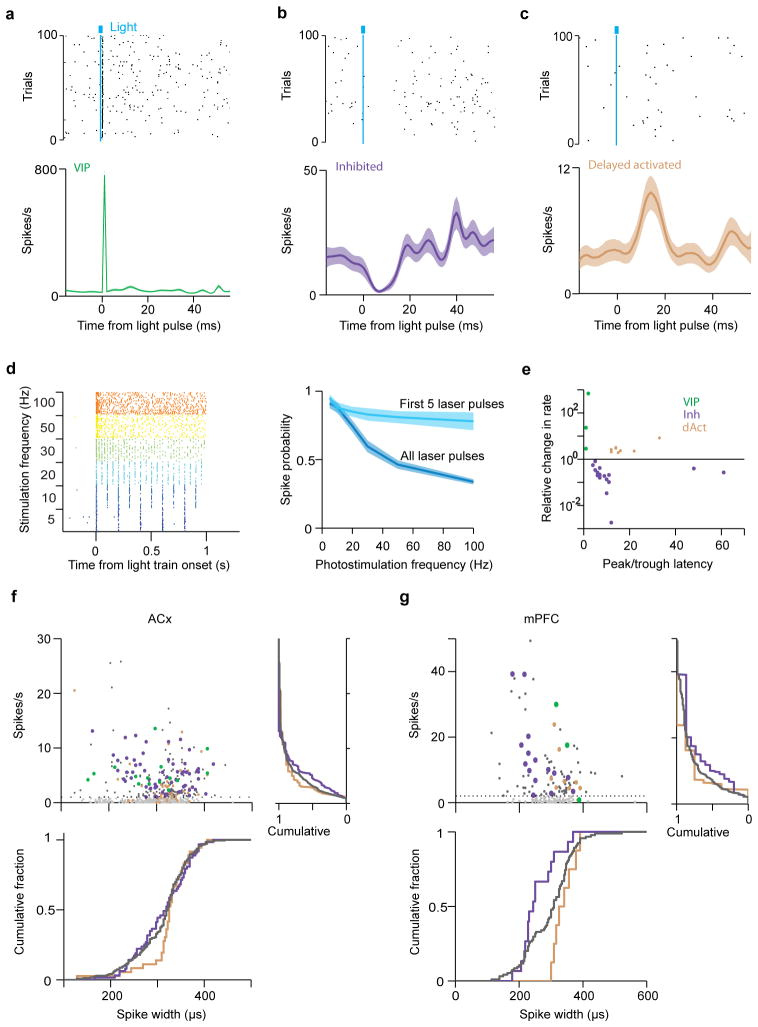
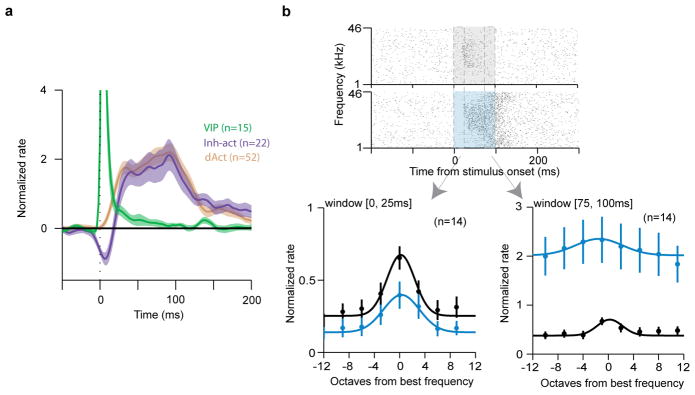
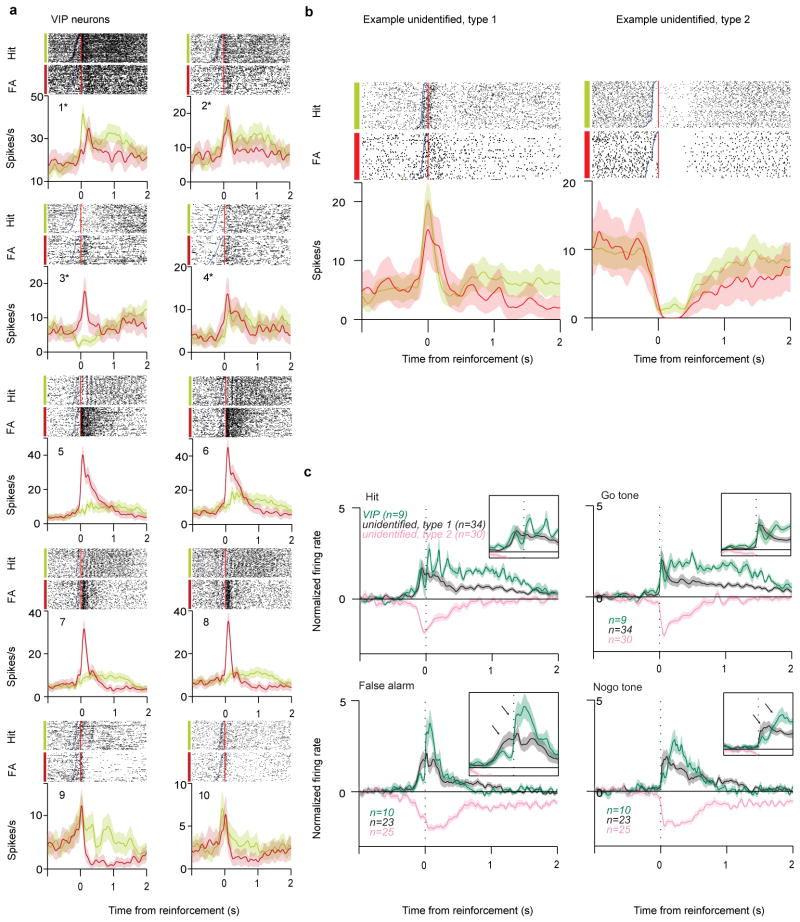
In the mammalian cerebral cortex the diversity of interneuronal subtypes underlies a division of labour subserving distinct modes of inhibitory control. A unique mode of inhibitory control may be provided by inhibitory neurons that specifically suppress the firing of other inhibitory neurons. Such disinhibition could lead to the selective amplification of local processing and serve the important computational functions of gating and gain modulation. Although several interneuron populations are known to target other interneurons to varying degrees, little is known about interneurons specializing in disinhibition and their in vivo function. Here we show that a class of interneurons that express vasoactive intestinal polypeptide (VIP) mediates disinhibitory control in multiple areas of neocortex and is recruited by reinforcement signals. By combining optogenetic activation with single-cell recordings, we examined the functional role of VIP interneurons in awake mice, and investigated the underlying circuit mechanisms in vitro in auditory and medial prefrontal cortices. We identified a basic disinhibitory circuit module in which activation of VIP interneurons transiently suppresses primarily somatostatin- and a fraction of parvalbumin-expressing inhibitory interneurons that specialize in the control of the input and output of principal cells, respectively. During the performance of an auditory discrimination task, reinforcement signals (reward and punishment) strongly and uniformly activated VIP neurons in auditory cortex, and in turn VIP recruitment increased the gain of a functional subpopulation of principal neurons. These results reveal a specific cell type and microcircuit underlying disinhibitory control in cortex and demonstrate that it is activated under specific behavioural conditions.
在哺乳动物大脑皮层中,神经元亚型的多样性为不同的抑制控制模式提供了分工。一种独特的抑制控制模式可能由专门抑制其他抑制性神经元放电的抑制性神经元提供。这种去抑制可能导致局部处理的选择性放大,并为门控和增益调制等重要的计算功能提供服务。尽管已知有几种神经元群体在不同程度上靶向其他神经元,但对于专门用于去抑制的神经元及其体内功能知之甚少。在这里,我们表明,一类表达血管活性肠肽 (VIP) 的中间神经元在新皮层的多个区域介导抑制控制,并被强化信号募集。通过将光遗传学激活与单细胞记录相结合,我们在清醒的小鼠中研究了 VIP 中间神经元的功能作用,并在体外研究了听觉和内侧前额叶皮层中的潜在回路机制。我们确定了一个基本的去抑制回路模块,其中 VIP 中间神经元的激活会短暂抑制主要表达生长抑素和一部分钙调蛋白结合蛋白的抑制性中间神经元,分别专门控制主细胞的输入和输出。在执行听觉辨别任务时,强化信号(奖励和惩罚)强烈而均匀地激活了听觉皮层中的 VIP 神经元,反过来,VIP 募集增加了功能主细胞亚群的增益。这些结果揭示了皮层中去抑制控制的特定细胞类型和微回路,并表明它在特定行为条件下被激活。